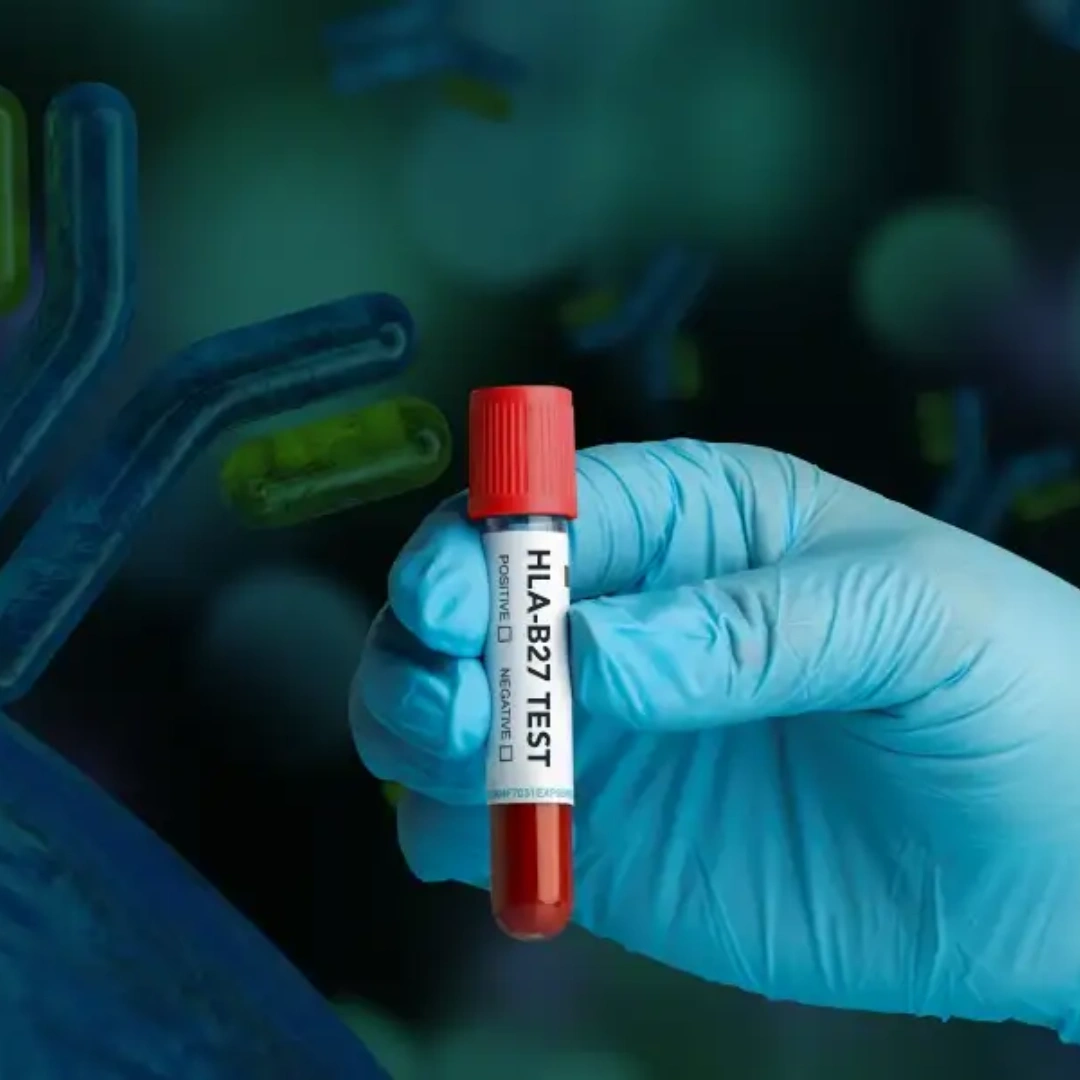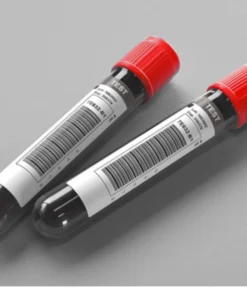
HLA-B27 Detection Test
What it is
The HLA-B27 Detection Test is a genetic blood test used to check for the presence of the HLA-B27 antigen, a protein found on the surface of white blood cells. This protein plays a role in the immune system, but its presence is strongly associated with certain autoimmune and inflammatory conditions. While having HLA-B27 does not guarantee disease, it increases the risk of developing disorders such as ankylosing spondylitis and related spondyloarthropathies.
Uses
This test is used to:
- Support the diagnosis of ankylosing spondylitis, reactive arthritis, psoriatic arthritis, and juvenile idiopathic arthritis.
- Identify genetic predisposition in individuals with family history of autoimmune arthritis.
- Assist in evaluating patients with chronic back pain, joint inflammation, or unexplained arthritis.
- Guide prognosis and management of spondyloarthropathies.
Symptoms / Conditions That May Lead to the Test
Doctors may recommend this test if you have:
- Chronic back pain and stiffness, especially improving with activity but not with rest.
- Joint pain, swelling, or inflammation without another clear cause.
- Recurrent eye inflammation (uveitis/iritis).
- Skin or gastrointestinal symptoms linked with arthritis (e.g., psoriasis, inflammatory bowel disease).
- A close family member with ankylosing spondylitis or related conditions.
Abnormal Results
- Positive Result: Indicates presence of the HLA-B27 antigen. This increases the risk of developing autoimmune conditions but does not confirm a diagnosis, as many people with HLA-B27 remain healthy.
- Negative Result: Suggests absence of the HLA-B27 antigen, which lowers the likelihood of HLA-B27–associated disorders but does not completely exclude them.
Results must be interpreted in combination with clinical symptoms, imaging tests (X-rays, MRI), and other laboratory findings.
Risks
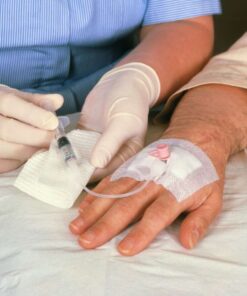
The test requires a blood sample and carries minimal risks, including:
- Mild pain, bruising, or discomfort at the puncture site.
- Rare risk of infection or dizziness after blood draw.


Reviews
There are no reviews yet.