Homocysteine, Serum
What it is
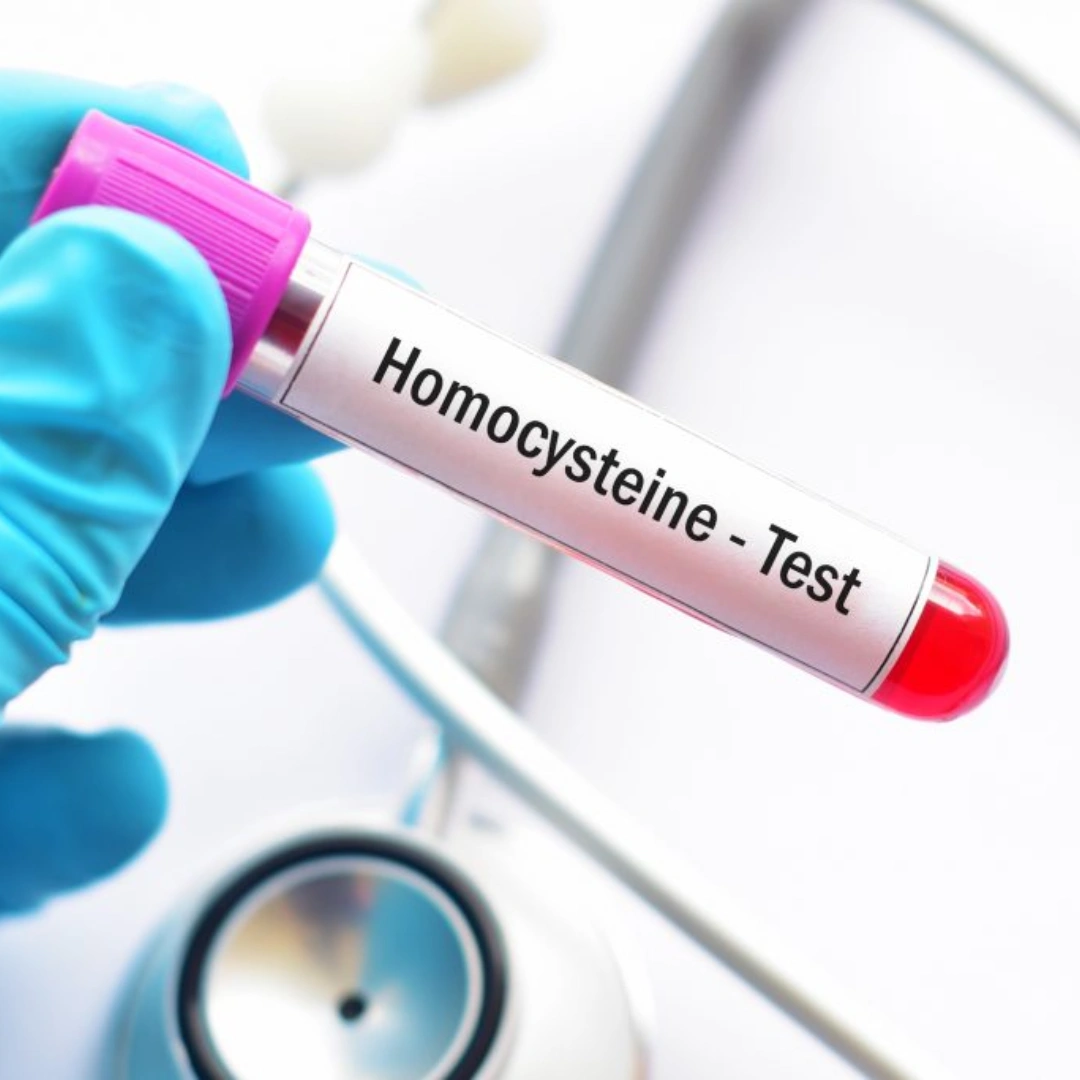
The Homocysteine, Serum test measures the level of homocysteine in the blood. Homocysteine is an amino acid produced during the metabolism of methionine. Normally, it is broken down with the help of vitamins B6, B12, and folate. Elevated levels of homocysteine (hyperhomocysteinemia) can damage blood vessels and are associated with an increased risk of cardiovascular diseases, stroke, and certain nutritional deficiencies.
Uses
This test is used to:
- Evaluate risk for cardiovascular disease and stroke.
- Detect deficiencies of vitamin B6, vitamin B12, or folate.
- Investigate causes of unexplained blood clots (thrombosis).
- Support diagnosis in patients with homocystinuria (a rare inherited disorder).
- Monitor patients receiving treatment for elevated homocysteine levels.
Symptoms / Conditions That May Lead to the Test
Doctors may recommend this test if you have:
- Family history of premature heart disease or stroke.
- Personal history of early heart attack, stroke, or unexplained blood clots.
- Signs of vitamin B12 or folate deficiency (fatigue, weakness, anemia, neurological symptoms).
- Unexplained recurrent pregnancy loss or complications.
- Suspicion of inherited metabolic disorder like homocystinuria.
Abnormal Results
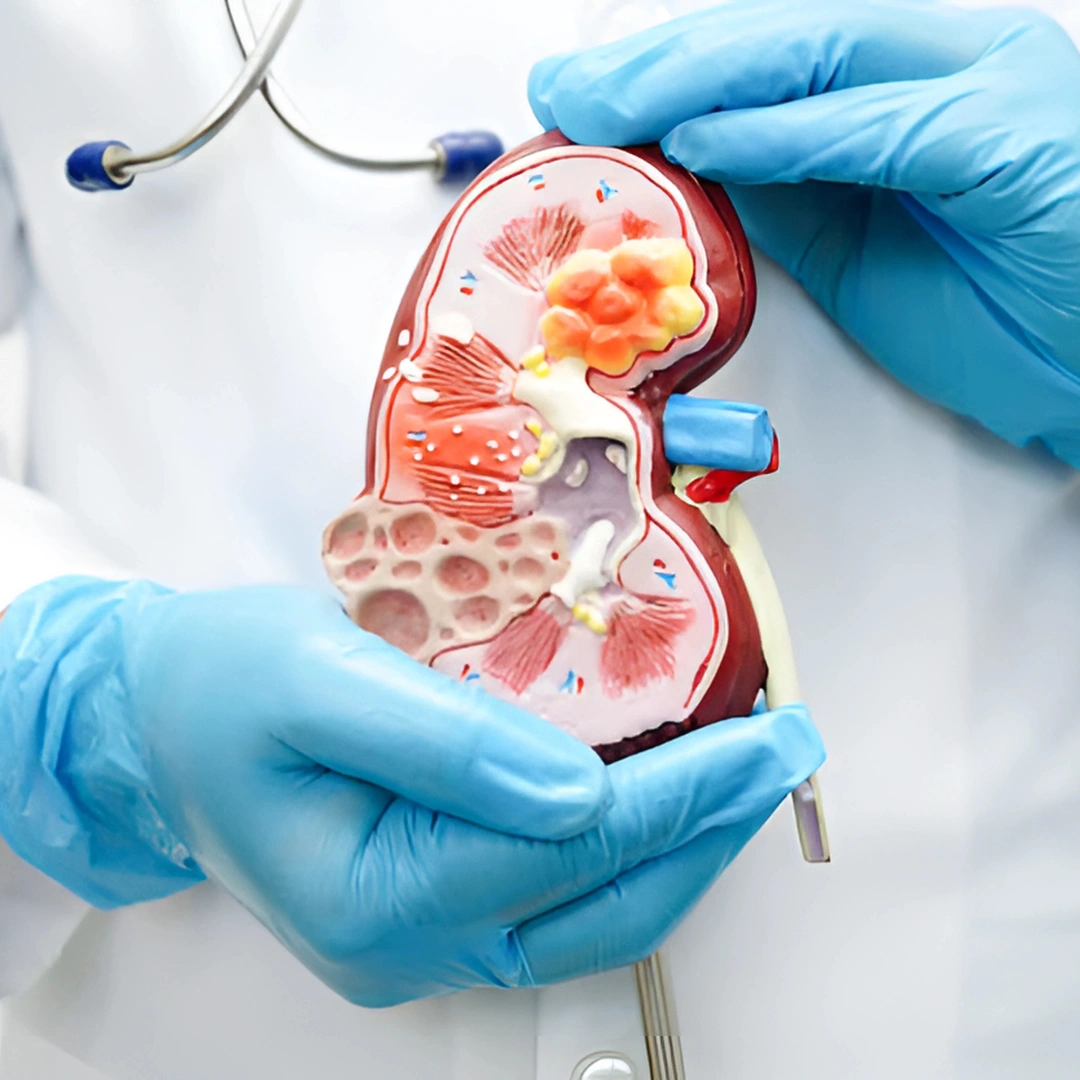
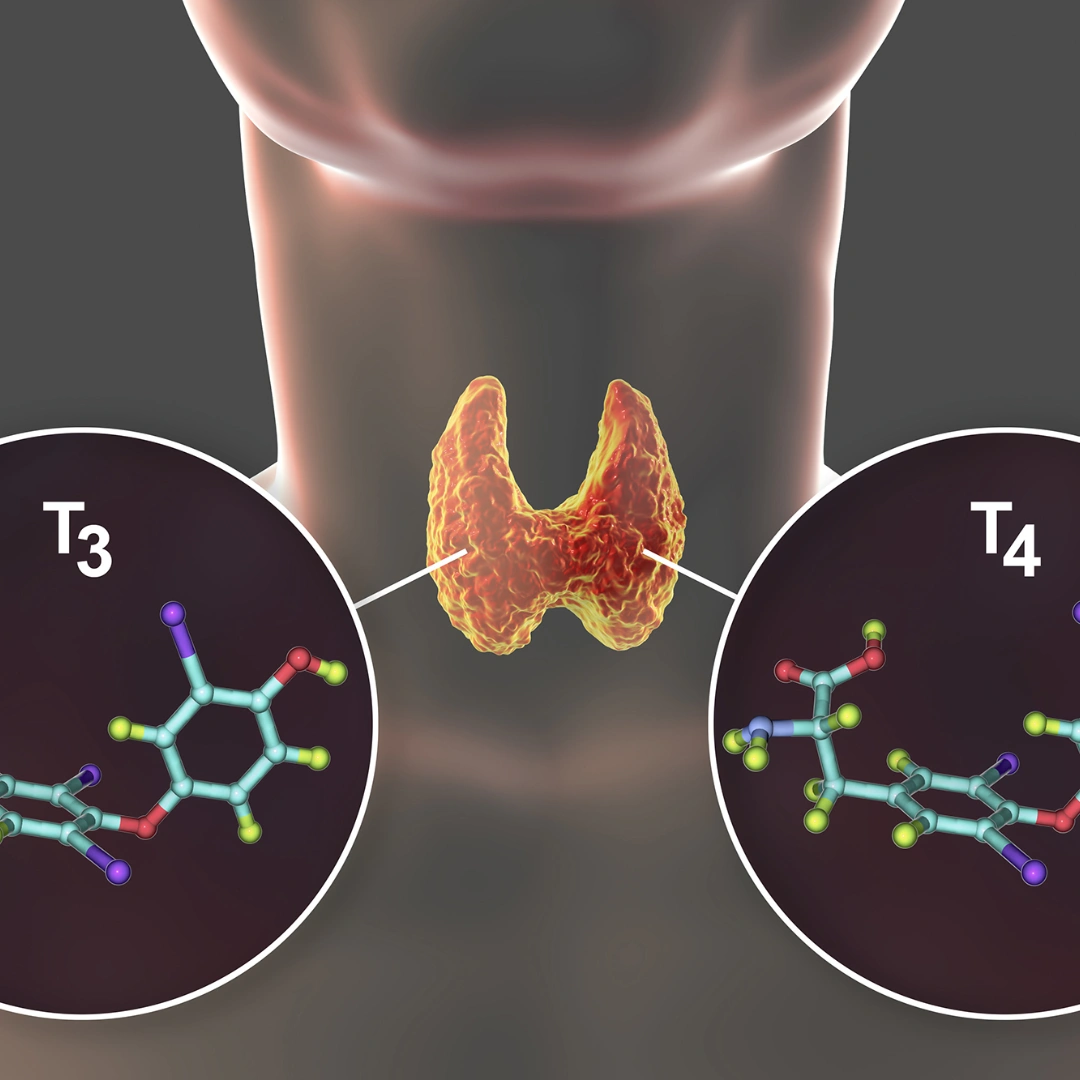
- High Homocysteine Levels: May indicate increased risk of cardiovascular disease, vitamin B6/B12/folate deficiency, chronic kidney disease, hypothyroidism, or genetic disorders like homocystinuria.
- Low/Normal Homocysteine Levels: Usually considered normal and not associated with health risks.
Abnormal results are interpreted along with vitamin levels, genetic tests (if required), and clinical findings.
Risks
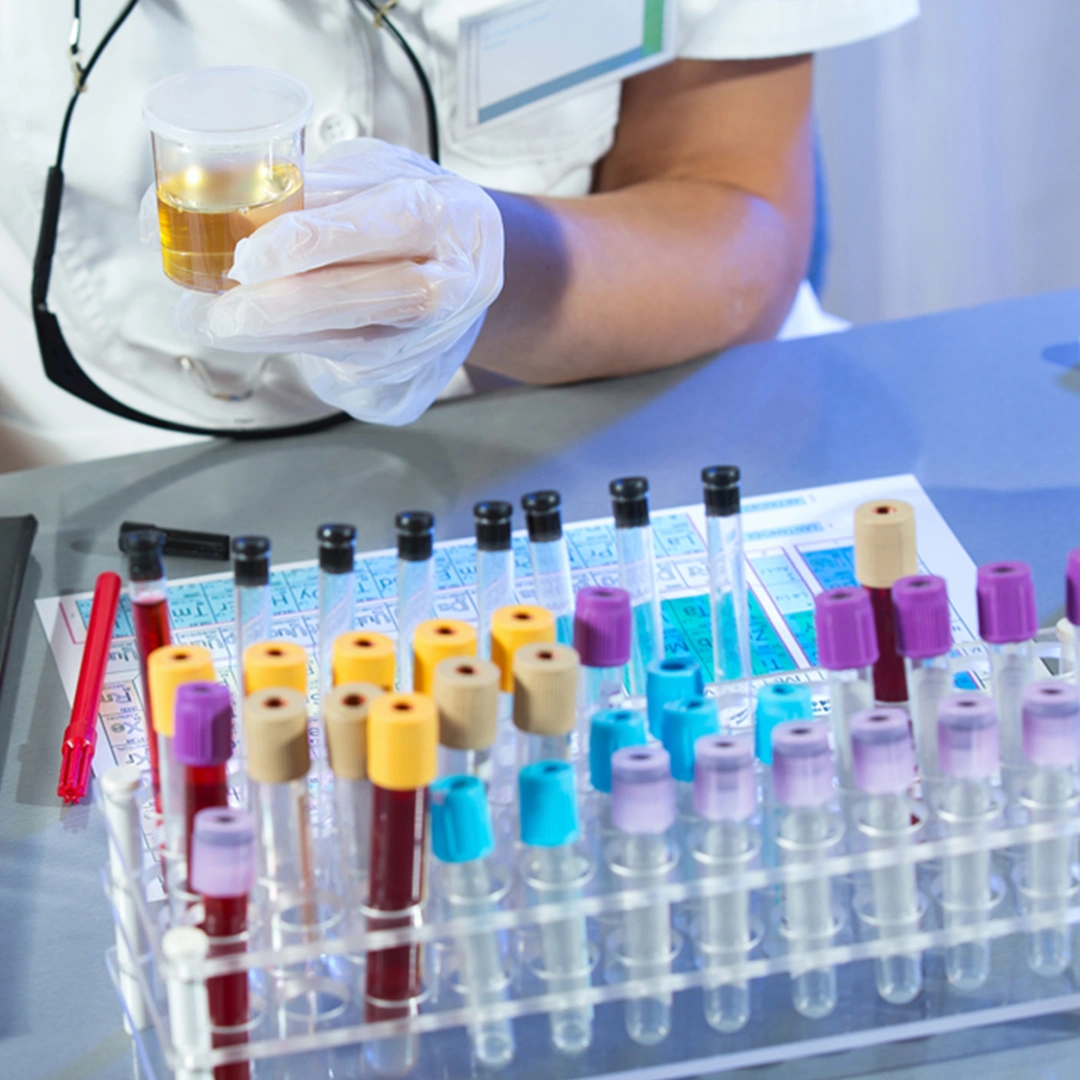
The test requires a blood sample and carries minimal risks, including:
- Mild pain, bruising, or discomfort at the puncture site.
- Rare chance of infection or dizziness after blood draw.
‘


Reviews
There are no reviews yet.