Immunofixation, Serum
What it is
The Immunofixation, Serum test is a laboratory method used to detect and identify abnormal proteins (monoclonal immunoglobulins or M-proteins) in the blood. It combines protein electrophoresis and immunologic staining to precisely characterize specific types of antibodies (IgG, IgA, IgM, IgD, IgE) and light chains (kappa, lambda). This test is more sensitive and specific than serum protein electrophoresis (SPEP) and plays a key role in diagnosing and monitoring plasma cell and lymphoproliferative disorders.
Uses
This test is used to:
- Detect and identify monoclonal proteins in the blood.
- Confirm multiple myeloma, Waldenström’s macroglobulinemia, or related disorders.
- Differentiate monoclonal gammopathy from polyclonal hypergammaglobulinemia (seen in infections, autoimmune conditions).
- Monitor disease progression and response to treatment in plasma cell disorders.
- Support diagnosis of light chain disease or amyloidosis.
Symptoms / Conditions That May Lead to the Test
Doctors may recommend this test if you have:
- Bone pain, fatigue, or recurrent infections suggestive of multiple myeloma.
- Anemia, kidney problems, or unexplained high calcium levels.
- Abnormal results on a serum protein electrophoresis (SPEP) test.
- Suspected monoclonal gammopathy of undetermined significance (MGUS).
- Symptoms of amyloidosis (organ enlargement, neuropathy, cardiac dysfunction).
Abnormal Results
- Monoclonal Protein Detected: Suggests plasma cell or lymphoid malignancy (e.g., multiple myeloma, MGUS, Waldenström’s macroglobulinemia).
- Polyclonal Increase: Indicates chronic infection, liver disease, or autoimmune disorder rather than cancer.
- Normal Findings: No abnormal immunoglobulins detected, ruling out many plasma cell disorders.
Results are interpreted alongside bone marrow biopsy, imaging, and other blood tests for a definitive diagnosis.
Risks
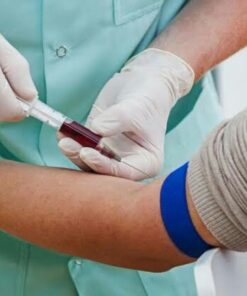
The test requires a blood sample and carries minimal risks, including:
- Mild pain, bruising, or discomfort at the puncture site.
- Rare chance of infection or dizziness after blood draw.


Reviews
There are no reviews yet.