Inhibin A, Serum
What it is
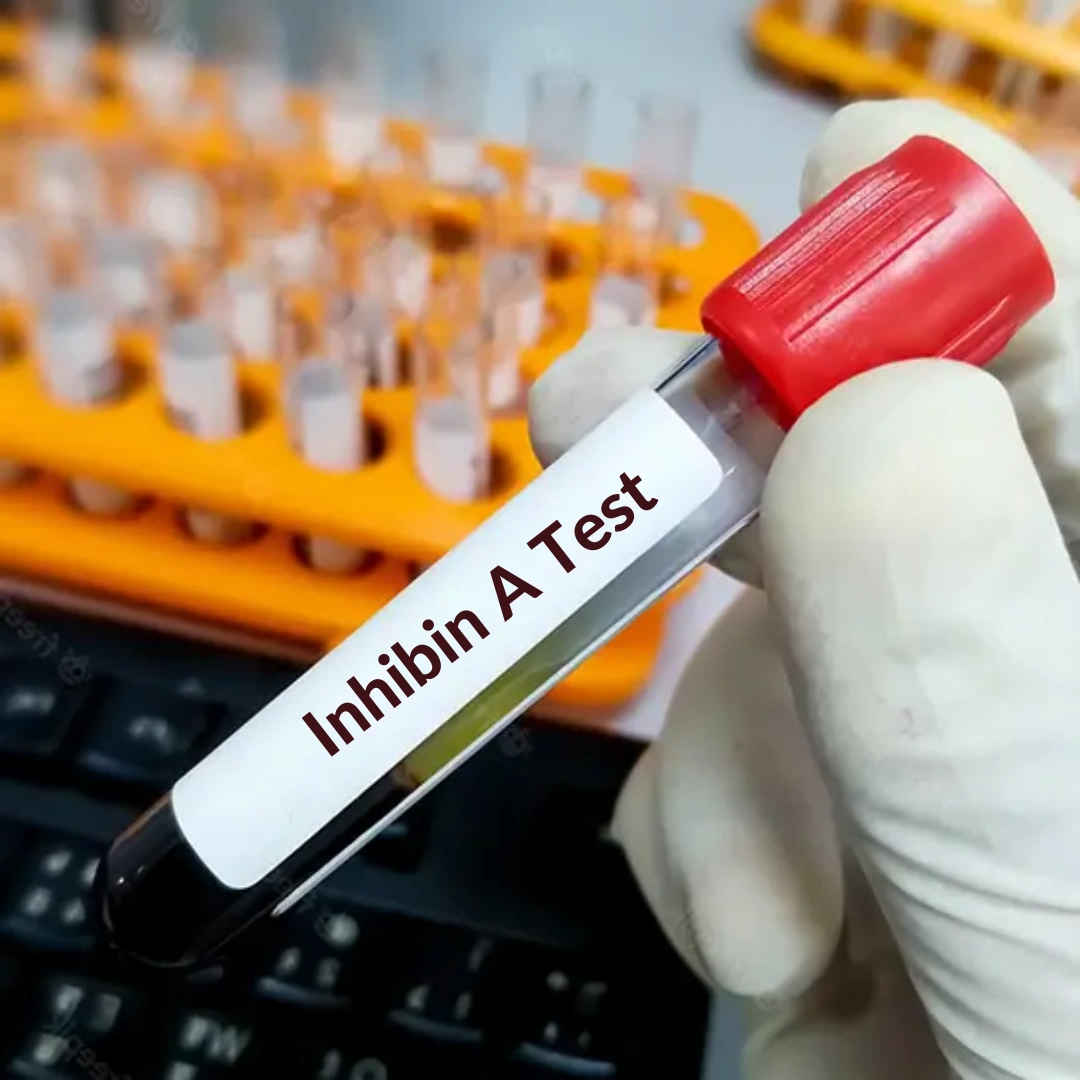
The Inhibin A, Serum test measures the level of inhibin A, a hormone produced mainly by the ovaries in women and the testes in men. Inhibin A plays a role in regulating follicle-stimulating hormone (FSH) and is important in reproductive physiology. In clinical practice, serum inhibin A is primarily used in pregnancy screening and in evaluating certain ovarian conditions.
Uses
This test is used to:
- Assess maternal risk for chromosomal abnormalities (such as Down syndrome and Trisomy 18) as part of the second-trimester “quadruple screen.”
- Monitor ovarian function and evaluate some cases of infertility.
- Assist in diagnosis and monitoring of ovarian granulosa cell tumors.
- Support research or specialized endocrine evaluations involving reproductive hormones.
Symptoms / Conditions That May Lead to the Test
Doctors may recommend this test if you have:
- Pregnancy, as part of routine prenatal screening for fetal chromosomal disorders.
- Unexplained infertility or irregular menstrual cycles.
- Suspicion of an ovarian tumor, especially granulosa cell type.
- Participation in an advanced reproductive health evaluation.
Abnormal Results
- Elevated Inhibin A in Pregnancy: May be associated with increased risk of chromosomal abnormalities such as Down syndrome, but must be interpreted along with other markers (AFP, hCG, estriol) in the quad screen.
- Low Inhibin A in Pregnancy: May suggest risk of Trisomy 18 or other chromosomal disorders.
- Elevated Inhibin A (non-pregnant): May indicate ovarian granulosa cell tumor or abnormal ovarian function.
- Low Levels (non-pregnant): May reflect impaired ovarian reserve or reduced reproductive function.
Results are interpreted in combination with other hormone tests, imaging, and clinical findings.
Risks
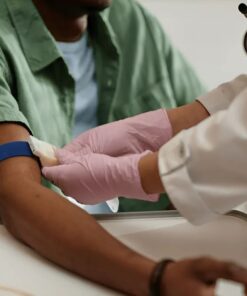
The test requires a blood sample and carries minimal risks, including:
- Mild pain, bruising, or discomfort at the puncture site.
- Rare chance of infection or dizziness after blood draw.


Reviews
There are no reviews yet.