Inhibin B, Serum
What it is
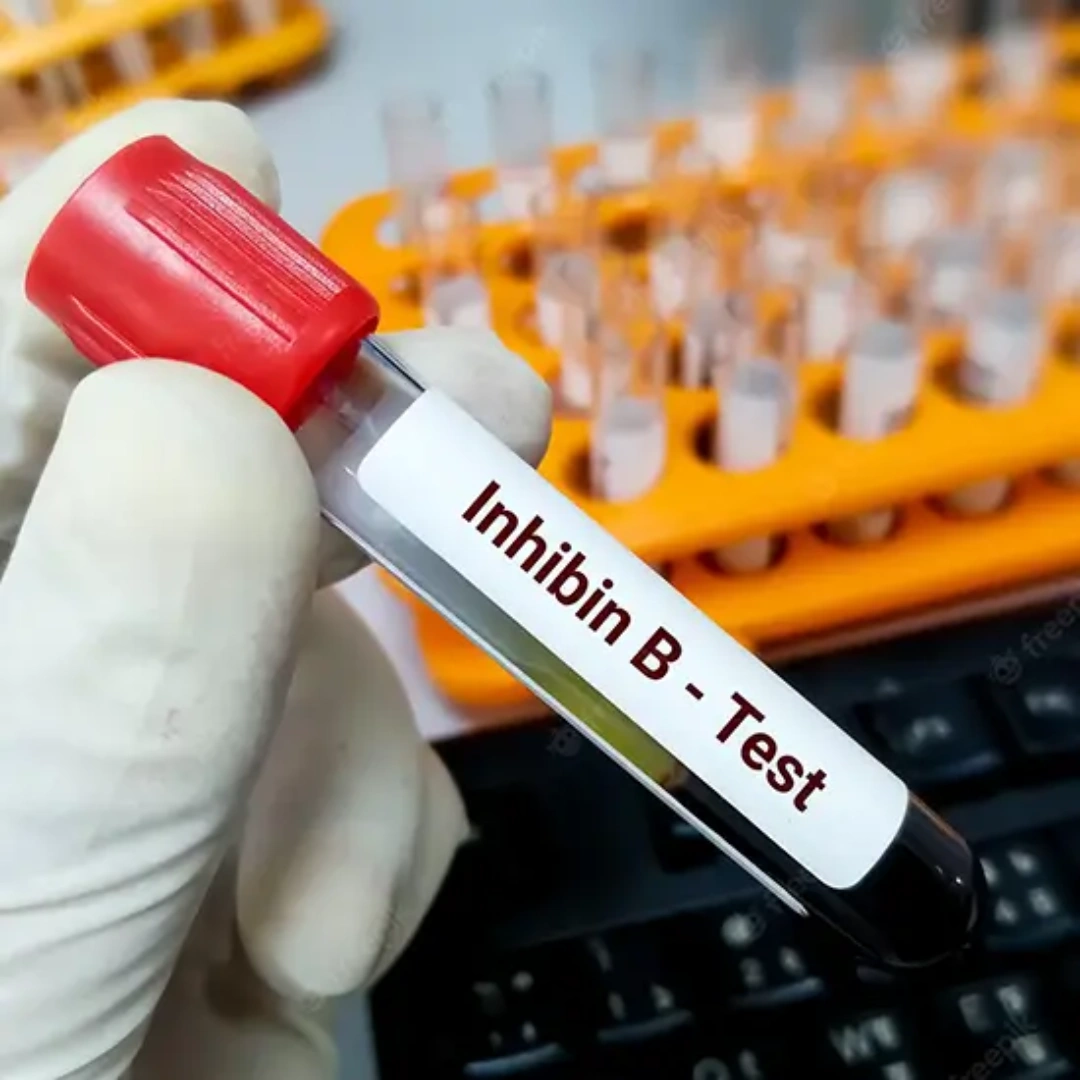
The Inhibin B, Serum test measures the level of inhibin B, a hormone produced by the granulosa cells of the ovaries in women and by the Sertoli cells of the testes in men. Inhibin B plays an important role in regulating follicle-stimulating hormone (FSH) levels and reflects ovarian function in women and spermatogenesis in men. It is commonly used in fertility evaluations and in assessing gonadal function.
Uses
This test is used to:
- Assess ovarian reserve and predict response to fertility treatments in women.
- Evaluate menstrual irregularities and causes of female infertility.
- Measure Sertoli cell function and sperm production capacity in men.
- Assist in diagnosing testicular dysfunction or hypogonadism in men.
- Monitor ovarian granulosa cell tumors.
Symptoms / Conditions That May Lead to the Test
Doctors may recommend this test if you have:
- Difficulty conceiving or undergoing fertility evaluation.
- Irregular or absent menstrual cycles (women).
- Low sperm count, infertility, or suspected testicular dysfunction (men).
- Suspected premature ovarian insufficiency or menopause (women).
- Monitoring needs for granulosa cell tumors.
Abnormal Results
- Low Inhibin B in Women: Suggests reduced ovarian reserve, poor response to ovarian stimulation, or menopause.
- High Inhibin B in Women: May be associated with granulosa cell tumors or ovarian hyperstimulation.
- Low Inhibin B in Men: Suggests impaired Sertoli cell function, reduced sperm production, or testicular failure.
- Normal or High Inhibin B in Men: Indicates normal spermatogenesis and Sertoli cell activity.
Results are interpreted alongside other hormone tests (FSH, LH, AMH, testosterone, estradiol) and clinical findings.
Risks
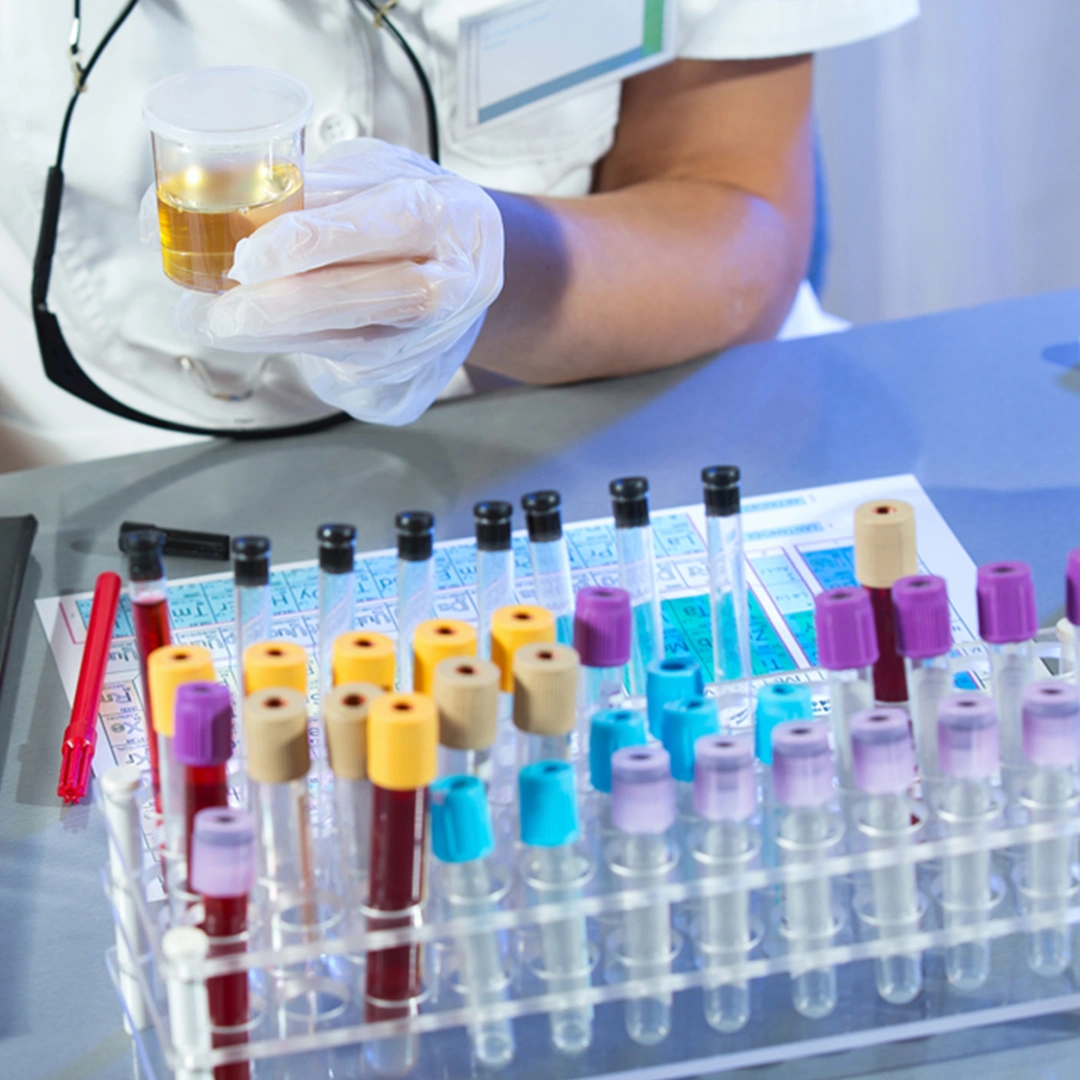
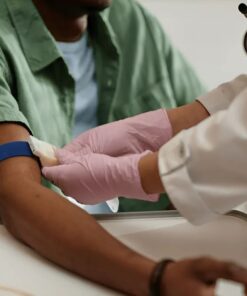
The test requires a blood sample and carries minimal risks, including:
- Mild pain, bruising, or discomfort at the puncture site.
- Rare chance of infection or dizziness after blood draw.


Reviews
There are no reviews yet.