Iron Deficiency Panel
What it is
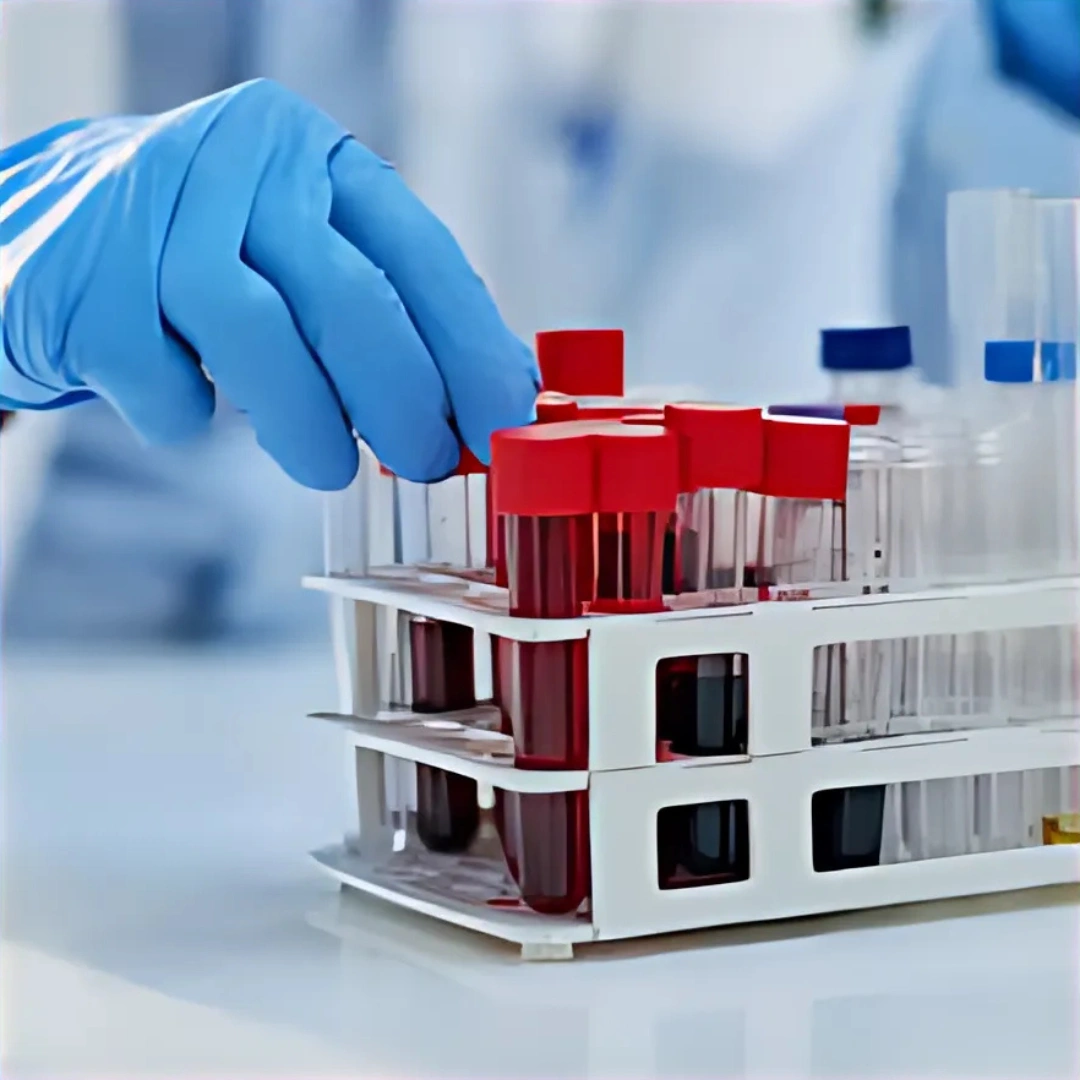
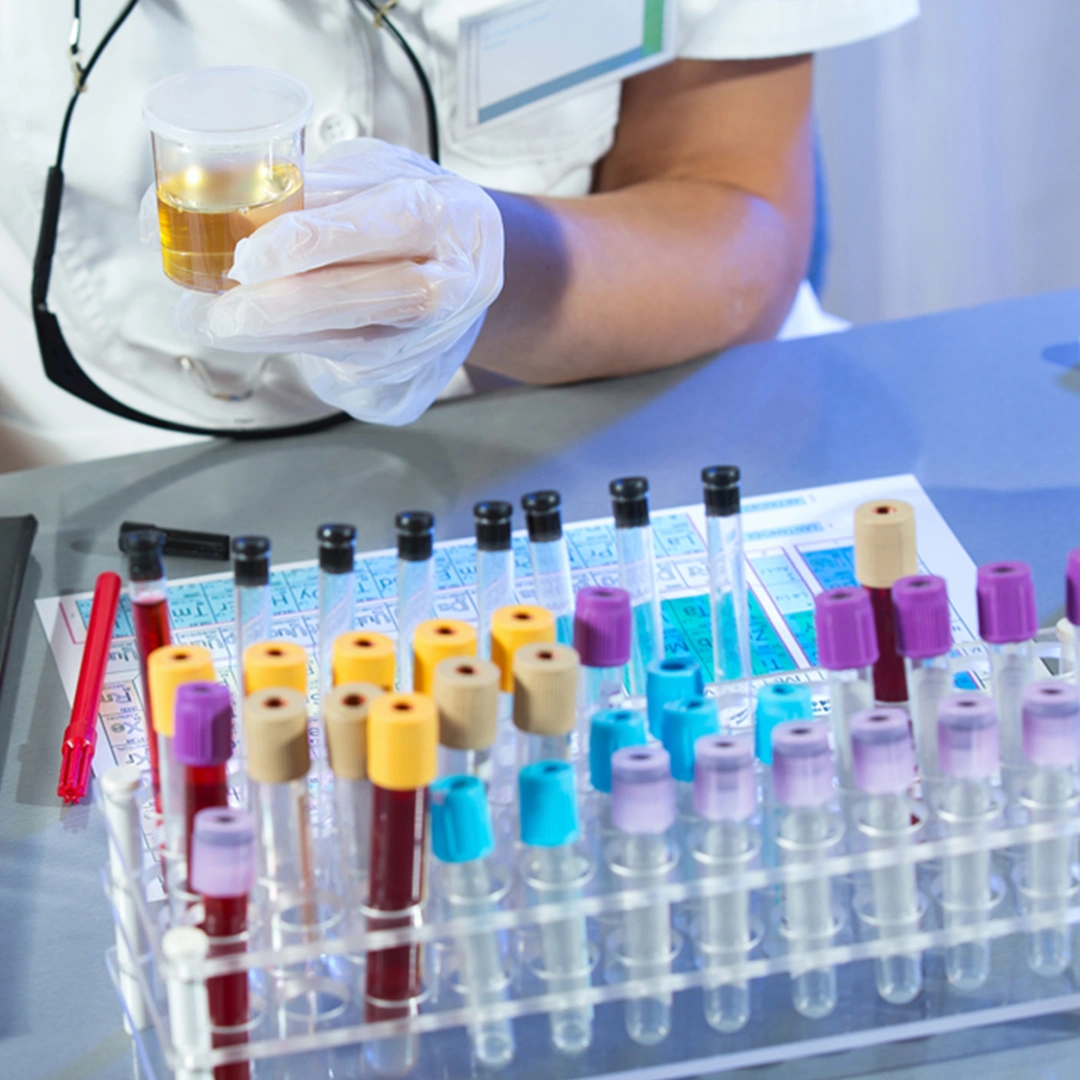
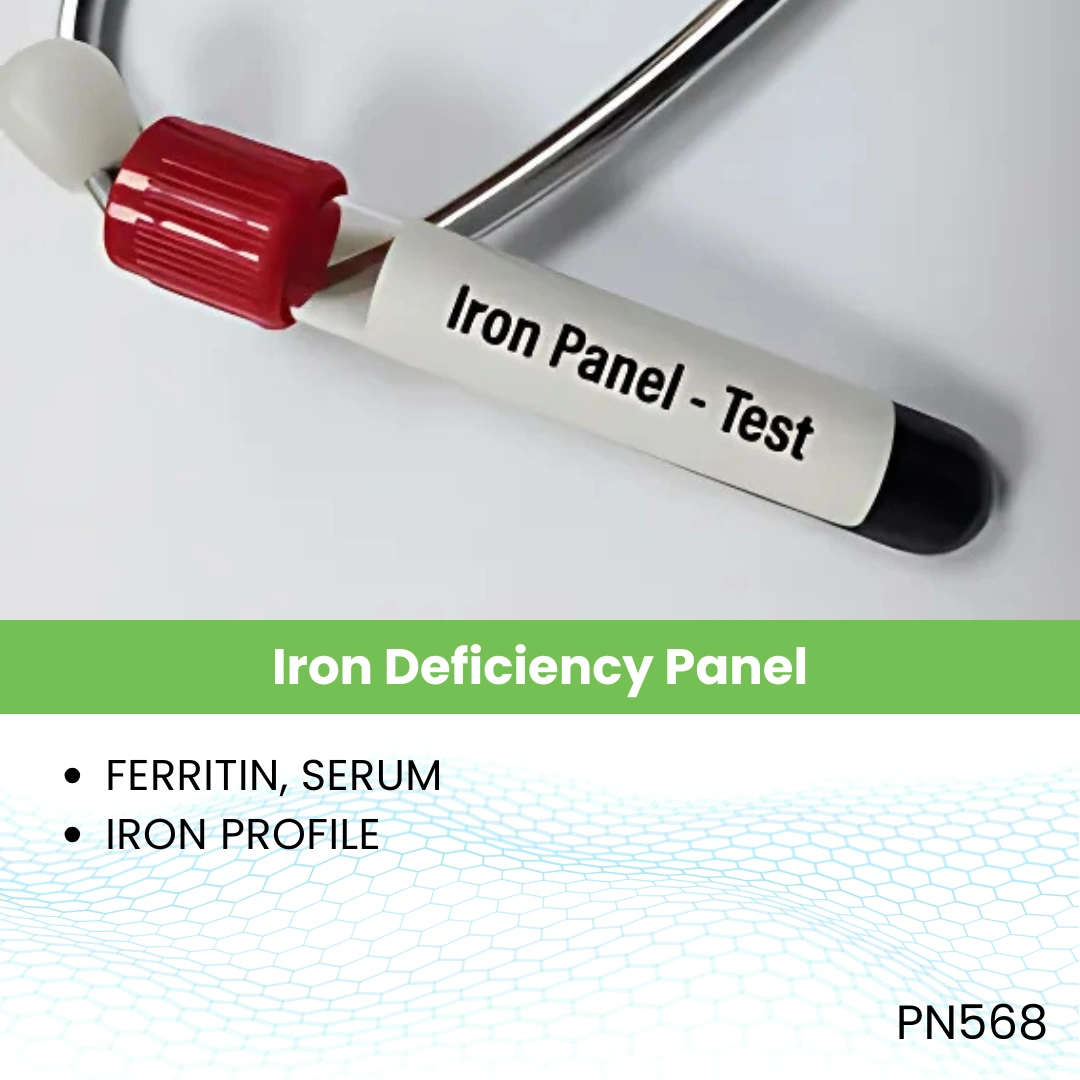
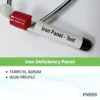
The Iron Deficiency Panel is a group of blood tests that evaluate the amount of iron in the body and how it is being used. This panel typically includes serum iron, ferritin, total iron-binding capacity (TIBC), and transferrin saturation. Together, these tests help assess iron storage, transport, and availability, providing a complete picture of iron status and identifying iron deficiency or overload.
Uses
This test is used to diagnose iron deficiency anemia, monitor treatment with iron supplements, evaluate unexplained fatigue or weakness, and assess nutritional status. It may also help detect iron overload conditions such as hemochromatosis and guide further management in patients with chronic illnesses that affect iron metabolism.
Symptoms That May Lead to the Test
Doctors may recommend this panel if you have symptoms like persistent fatigue, pale skin, brittle nails, hair loss, dizziness, shortness of breath, irregular heartbeat, or cravings for non-food substances (pica). It may also be ordered in patients with heavy menstrual bleeding, gastrointestinal bleeding, or poor dietary intake.
Abnormal Results
Iron Deficiency: Typically shows low serum iron, low ferritin, high TIBC, and low transferrin saturation. This indicates reduced iron stores and poor oxygen-carrying capacity, often leading to anemia.
Iron Overload: May show high serum iron and ferritin with low TIBC. This can occur in hereditary hemochromatosis, frequent blood transfusions, or excessive iron supplementation.
Risks
The test involves a standard blood draw, which carries minimal risks such as mild pain, bruising, or dizziness. Serious complications are rare.


Reviews
There are no reviews yet.