Iron, Serum
What it is
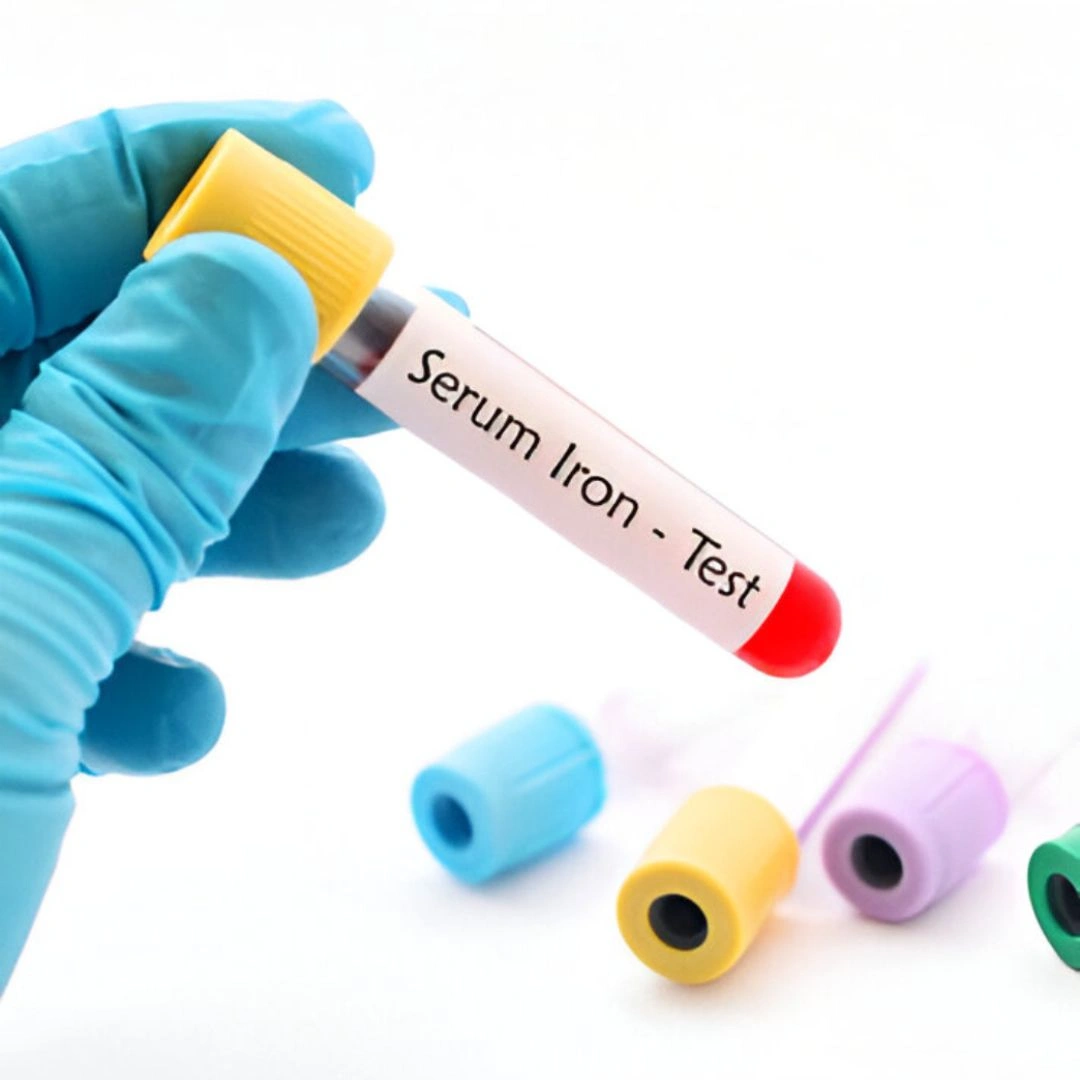
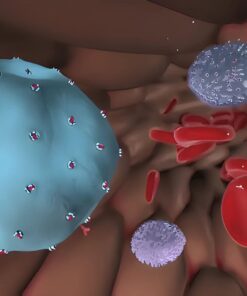
The Iron, Serum test measures the amount of circulating iron in the blood. Iron is an essential mineral required for the production of hemoglobin, the protein in red blood cells that carries oxygen throughout the body. Since most of the body’s iron is bound in hemoglobin or stored in tissues, serum iron reflects only a portion of total iron but provides important insights into iron balance.
Uses
This test is used to evaluate iron deficiency, investigate anemia, and detect iron overload. It is often ordered as part of an iron profile or iron deficiency panel, along with ferritin, TIBC (total iron-binding capacity), and transferrin saturation, to provide a more complete assessment of iron status.
Symptoms That May Lead to the Test
Doctors may recommend this test if you experience symptoms such as persistent fatigue, weakness, pale skin, dizziness, brittle nails, headaches, shortness of breath, or unusual food cravings (pica). It may also be ordered in individuals with chronic blood loss, heavy menstrual cycles, gastrointestinal bleeding, or suspected hereditary hemochromatosis.
Abnormal Results
Low Serum Iron: Suggests iron deficiency, often due to poor dietary intake, chronic blood loss, or malabsorption conditions. Low levels can lead to iron-deficiency anemia and reduced oxygen delivery to tissues.
High Serum Iron: May indicate iron overload, which can occur in hereditary hemochromatosis, liver disease, frequent blood transfusions, or excessive iron supplementation. Persistently high levels may damage organs such as the liver, heart, and pancreas.
Risks
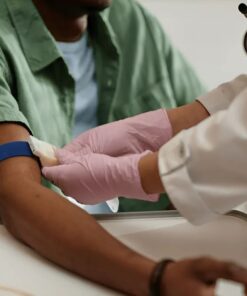
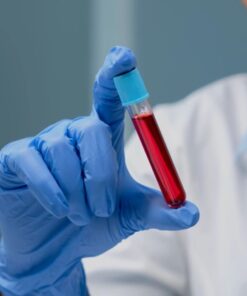
The test requires a routine blood draw, which carries minimal risks such as mild pain, bruising, or dizziness at the puncture site. Serious complications are extremely rare.


Reviews
There are no reviews yet.