Islet Cell Antibody Screen
What it is
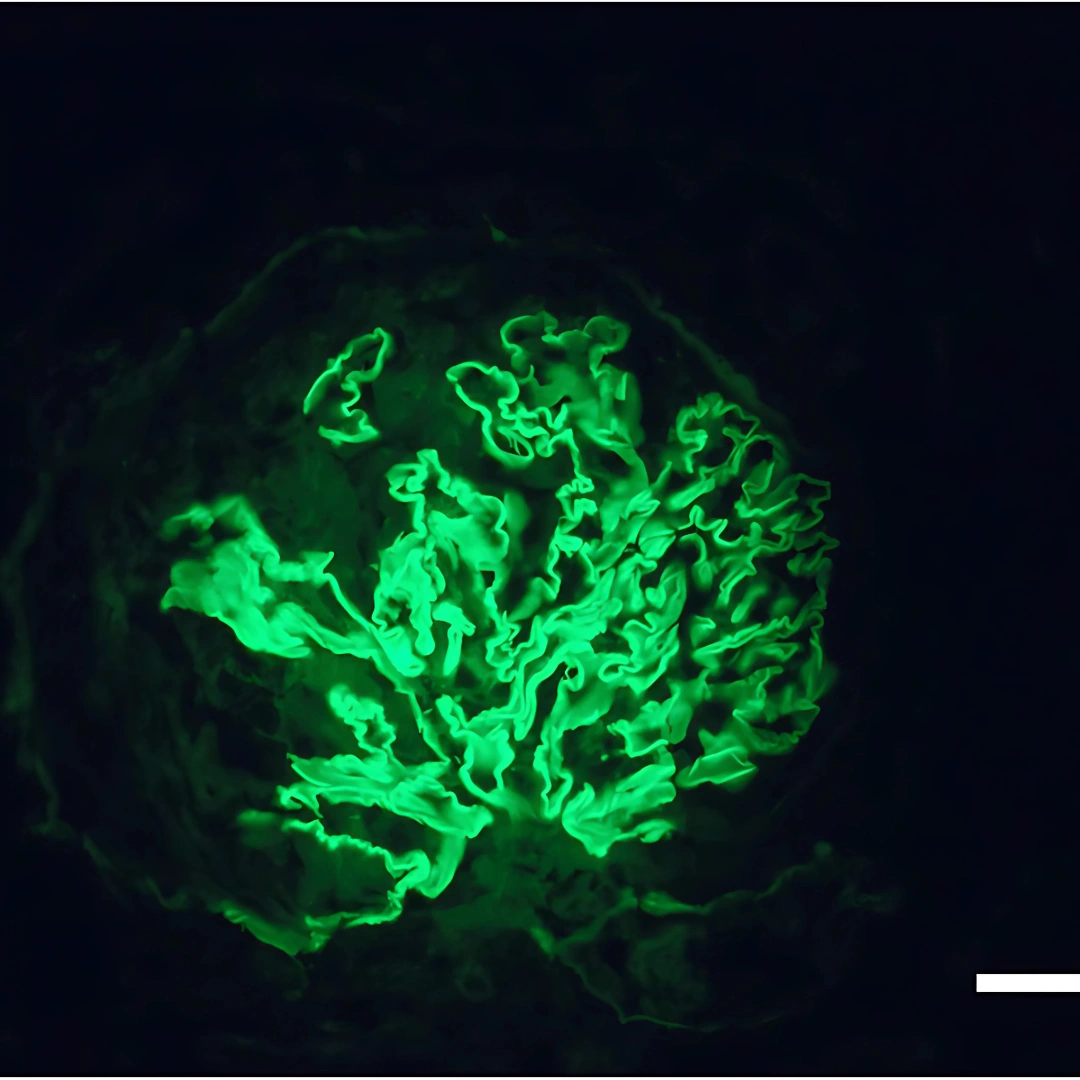
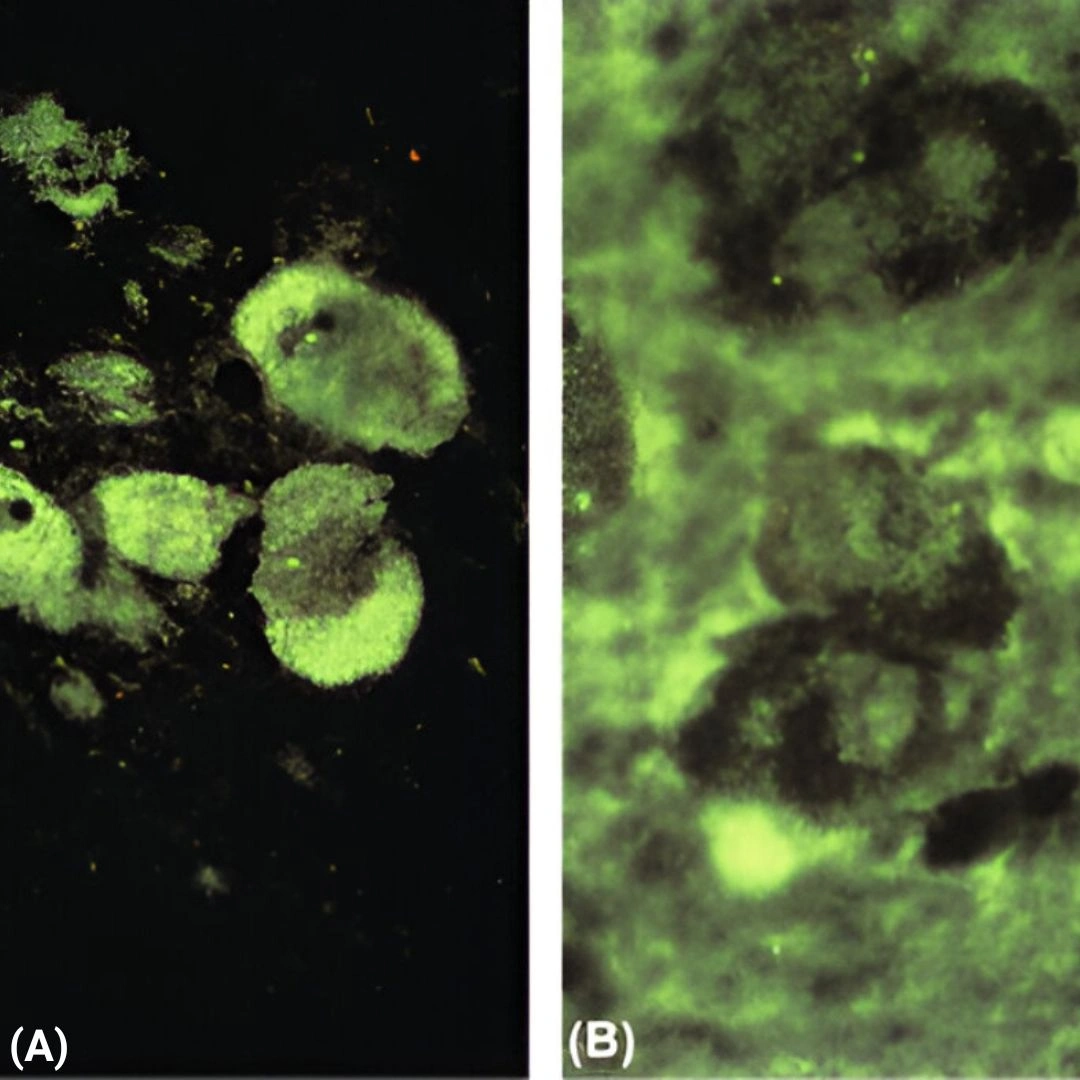
The Islet Cell Antibody Screen test detects the presence of autoantibodies that target insulin-producing beta cells in the pancreas. These antibodies are a marker of autoimmune activity and are strongly associated with type 1 diabetes. A screening test looks for these antibodies in general, rather than identifying individual antibody subtypes.
Uses
This test is used to help diagnose type 1 diabetes, assess the risk of developing type 1 diabetes in at-risk individuals, and differentiate autoimmune diabetes from type 2 diabetes when the diagnosis is unclear. It may also be used in research or clinical trials to identify individuals at risk of progression to type 1 diabetes.
Symptoms That May Lead to the Test
Doctors may recommend this screening if you experience signs of diabetes such as excessive thirst, frequent urination, unexplained weight loss, fatigue, or blurred vision. It may also be ordered for individuals with a strong family history of type 1 diabetes or other autoimmune conditions like thyroid disease or celiac disease.
Abnormal Results
Positive Screen: Suggests autoimmune activity against pancreatic beta cells and indicates a higher risk of developing type 1 diabetes. Further antibody-specific testing (such as GAD, IA-2, or insulin autoantibodies) may be recommended for confirmation.
Negative Screen: Suggests no detectable islet cell autoantibodies at the time of testing. However, absence of antibodies does not completely rule out type 1 diabetes if symptoms or other markers are present.
Risks
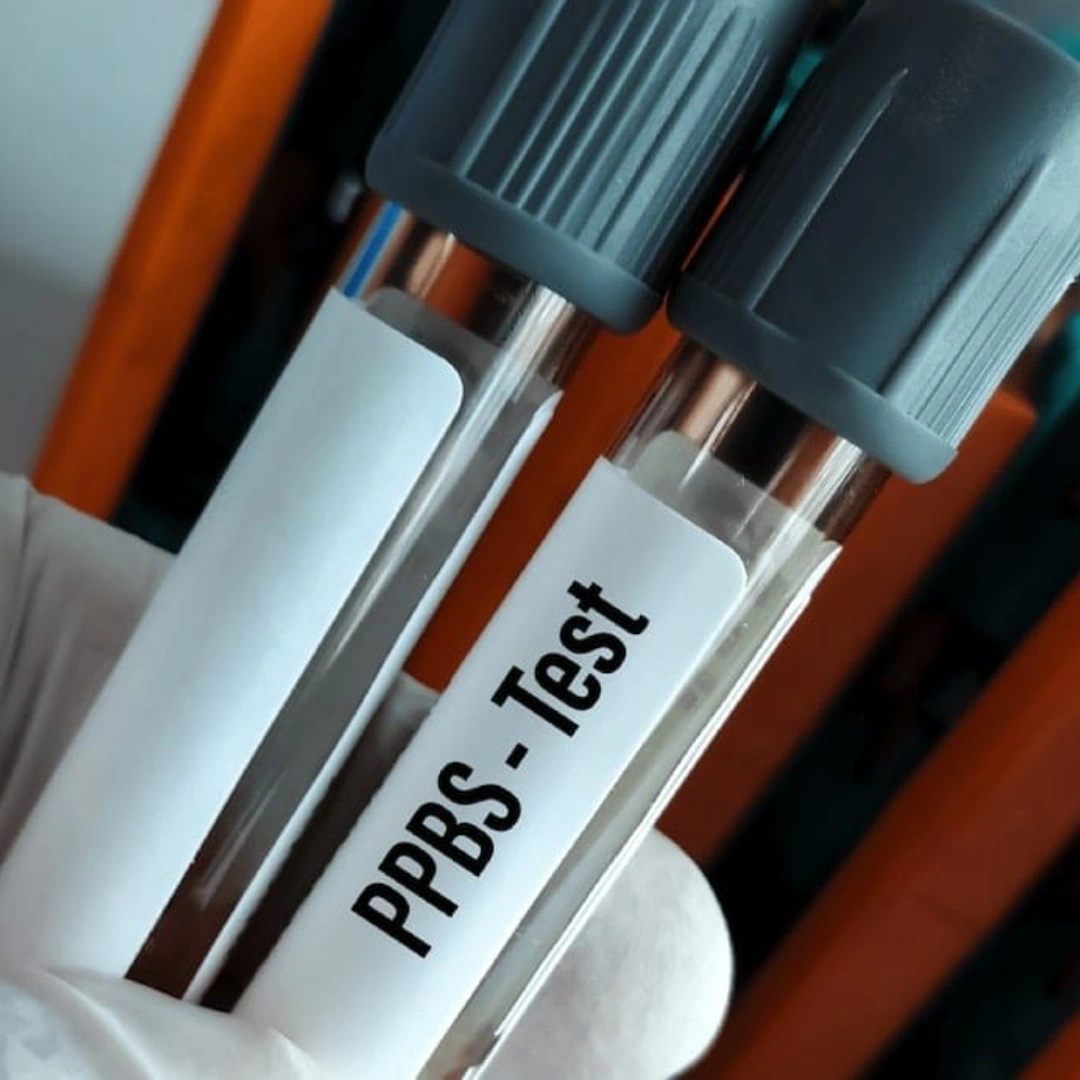
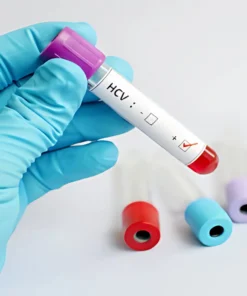
The test requires a simple blood draw, with minimal risks such as mild pain, bruising, or dizziness at the puncture site. Serious complications are very rare.


Reviews
There are no reviews yet.