Jo-1 Antibody
What it is
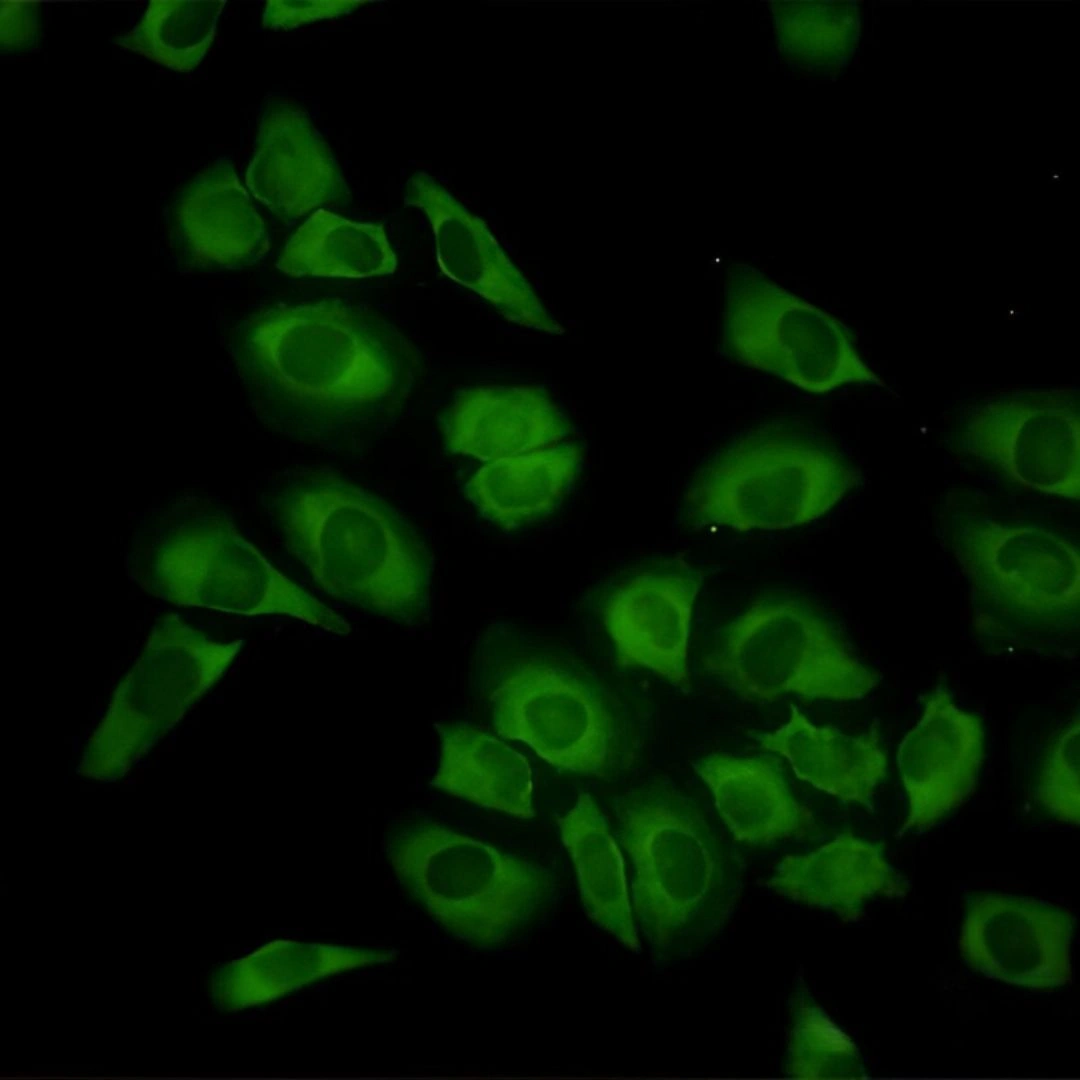
The Jo-1 Antibody test detects the presence of antibodies against histidyl-tRNA synthetase, an enzyme found in the body’s cells. These antibodies are most commonly associated with a rare autoimmune condition called antisynthetase syndrome, which is strongly linked to polymyositis and dermatomyositis. The test helps identify autoimmune diseases that cause muscle inflammation and lung involvement.
Uses
This test is primarily used to diagnose and support the evaluation of idiopathic inflammatory myopathies such as polymyositis and dermatomyositis. It also helps detect antisynthetase syndrome, which may involve interstitial lung disease, arthritis, Raynaud’s phenomenon, and skin thickening. The test is often ordered as part of an autoimmune or myositis antibody panel.
Symptoms That May Lead to the Test
Doctors may recommend this test if you have symptoms such as persistent muscle weakness, difficulty climbing stairs or lifting objects, chronic fatigue, joint pain, skin rash, shortness of breath, cough, or signs of interstitial lung disease. It may also be considered in patients with unexplained autoimmune features.
Abnormal Results
Positive Jo-1 Antibodies: Strongly suggests antisynthetase syndrome, polymyositis, or dermatomyositis, especially if symptoms and other lab findings align. Positive results often indicate a higher likelihood of lung involvement.
Negative Result: Suggests no detectable Jo-1 antibodies. However, other myositis-specific antibodies (such as Mi-2, PL-7, or PL-12) may still be present in autoimmune muscle diseases, so additional testing may be necessary.
Risks
The test requires a standard blood draw, which carries minimal risks such as slight pain, bruising, or dizziness at the puncture site. Serious complications are very rare.


Reviews
There are no reviews yet.