Kala-Azar (Visceral Leishmaniasis)
What it is
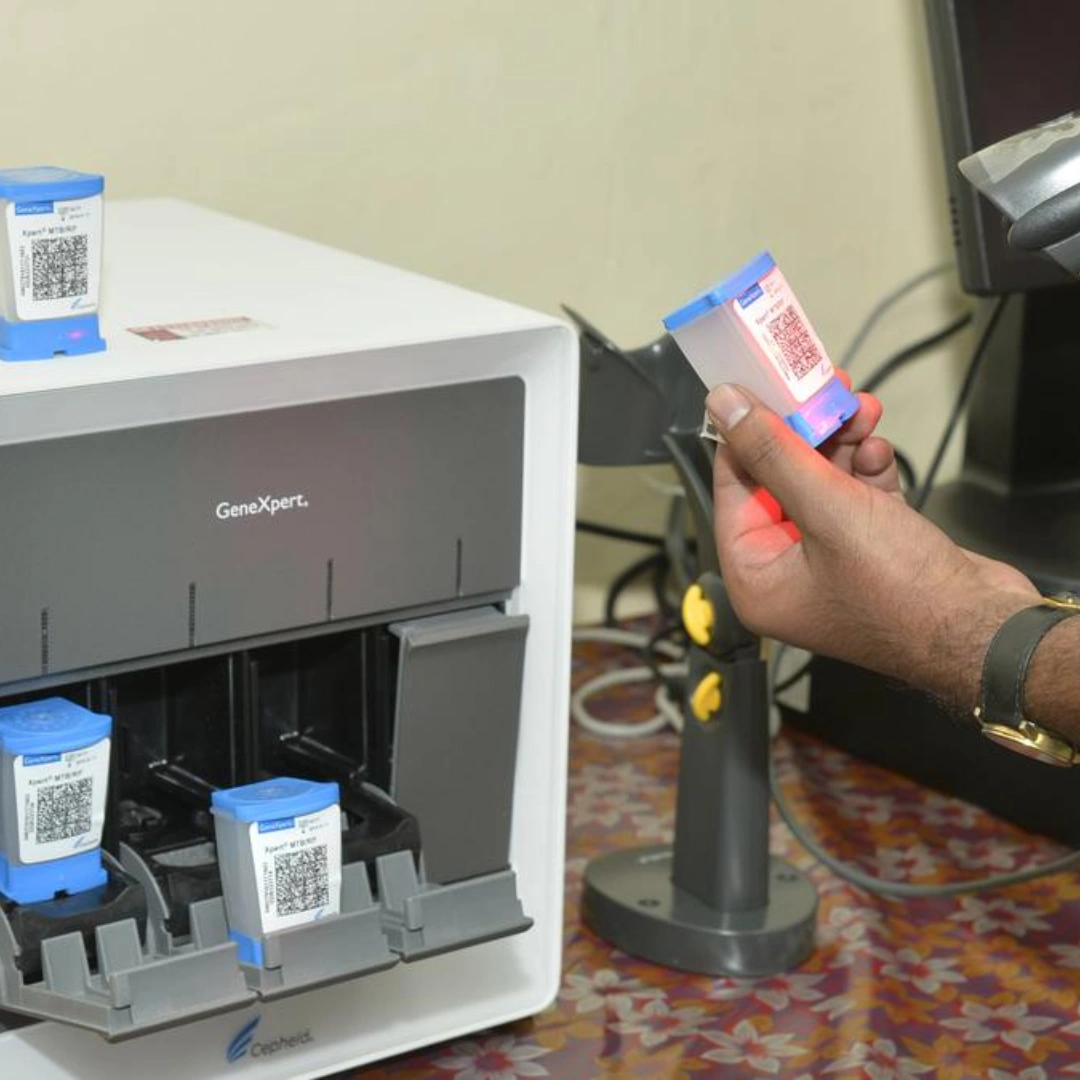
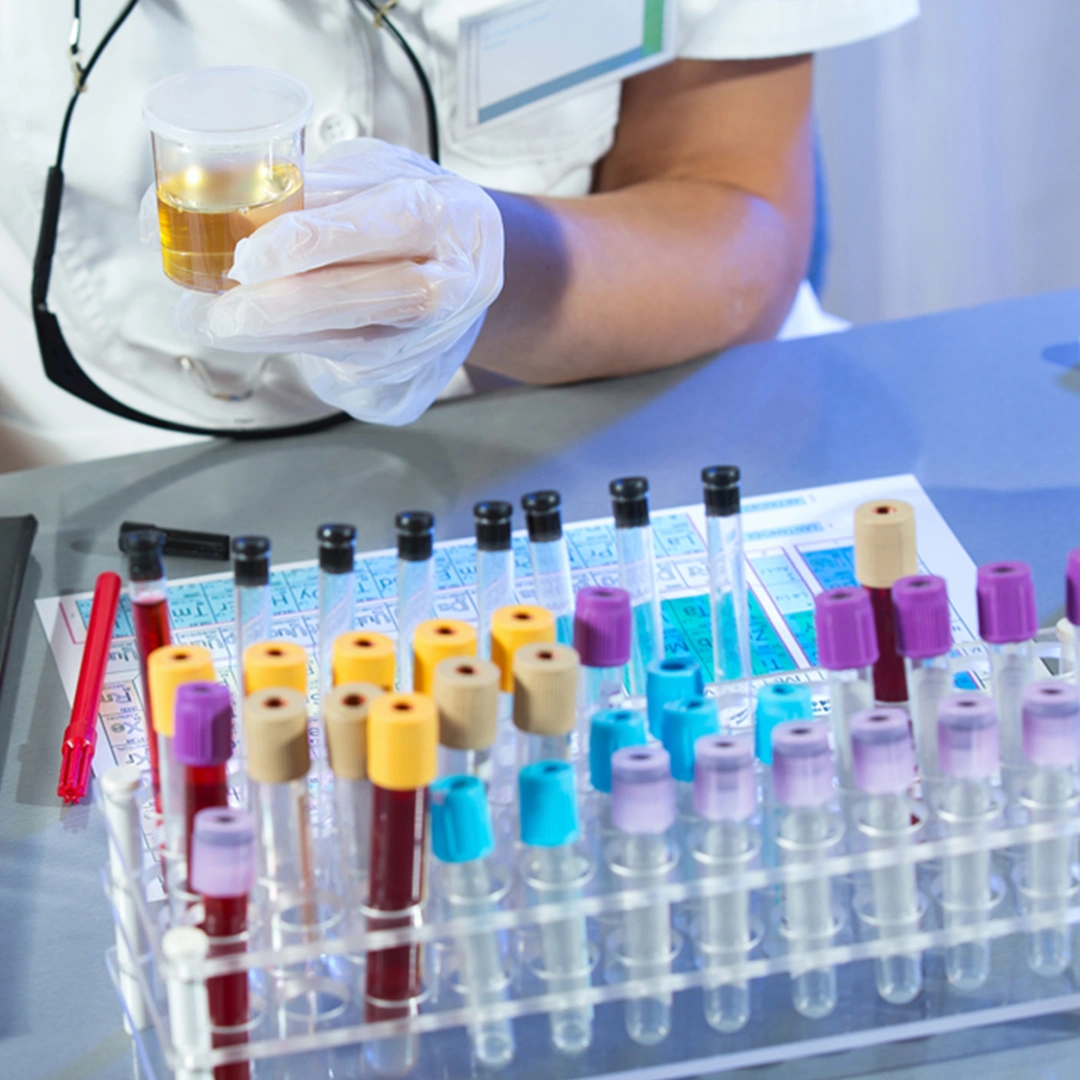
Kala-Azar, also known as Visceral Leishmaniasis, is a severe parasitic disease caused by the protozoan parasite *Leishmania donovani*. It is transmitted through the bite of infected female sandflies. Laboratory tests for Kala-Azar detect either the parasite itself, its DNA, or antibodies produced by the body in response to infection. Common diagnostic tests include the rK39 rapid test, ELISA, PCR, and microscopic examination of bone marrow or spleen samples.
Uses
Testing is used to confirm suspected cases of Kala-Azar, differentiate it from other causes of prolonged fever and anemia, and guide timely treatment. It is especially important in endemic regions, as untreated disease can be fatal. Screening may also be performed in outbreak investigations or in patients with risk factors such as immunosuppression.
Symptoms That May Lead to the Test
Doctors may recommend testing if you show classic symptoms such as prolonged fever, significant weight loss, fatigue, weakness, abdominal swelling due to enlarged spleen or liver, darkening of skin, or severe anemia. It is especially important for individuals living in or returning from Kala-Azar endemic areas.
Abnormal Results
Positive Result: Confirms infection with *Leishmania donovani*. This requires immediate medical attention and treatment, as the disease can be life-threatening if left untreated.
Negative Result: Suggests no current infection. However, if symptoms persist, additional testing (such as PCR or parasitological examination) may be needed, as early or low-level infections can sometimes yield false negatives.
Risks
Non-invasive tests such as blood-based rK39 or ELISA carry no risks. Invasive tests like bone marrow or splenic aspiration (rarely used unless necessary) may carry minor risks such as bleeding or infection and are performed only in specialized medical settings.


Reviews
There are no reviews yet.