Kappa/Lambda Light Chains (Free)
What it is
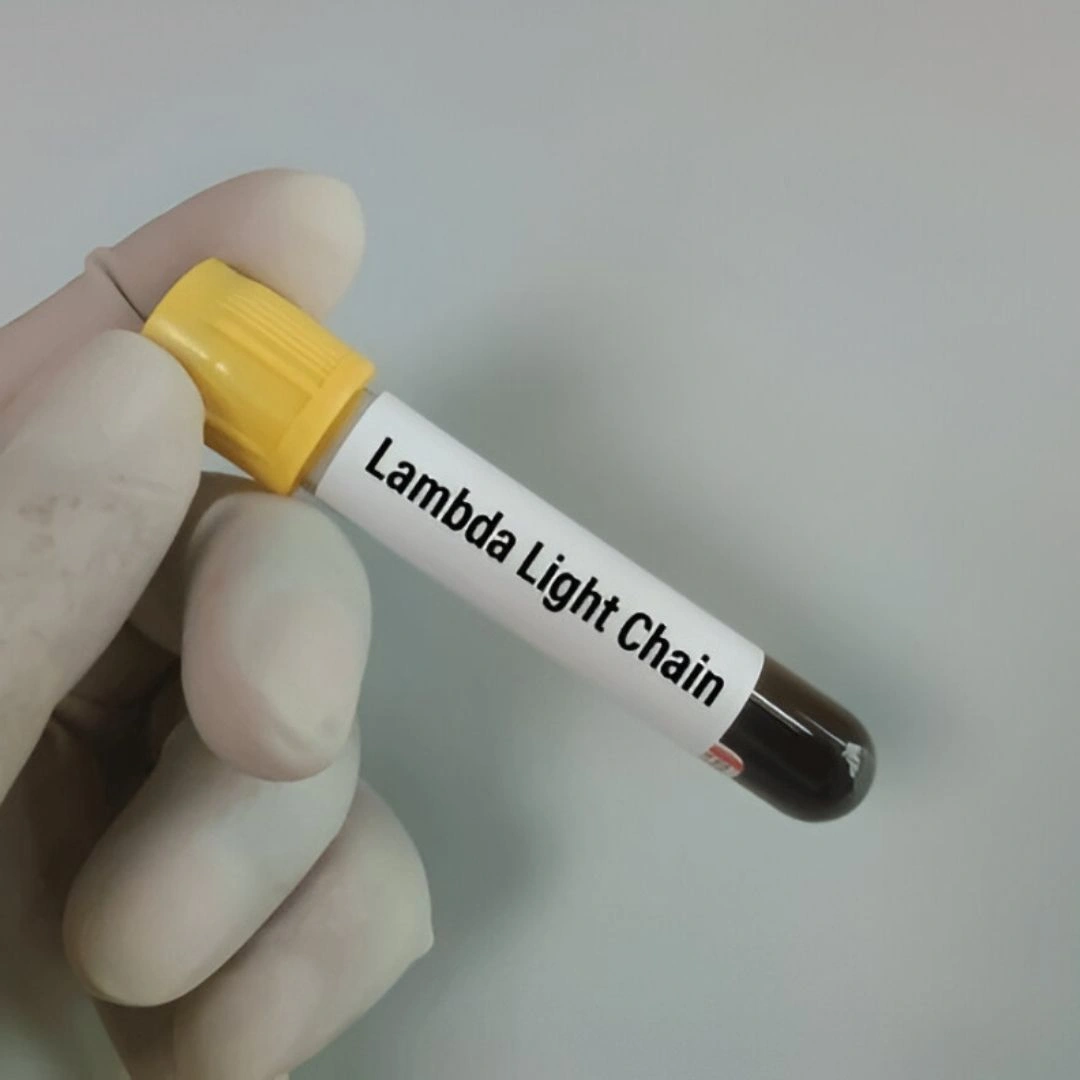
The Kappa/Lambda Light Chains (Free) test measures the levels of free light chains—kappa and lambda—in the blood. Light chains are part of antibodies produced by plasma cells. Normally, only small amounts circulate freely, but abnormal levels or an imbalanced ratio between kappa and lambda may indicate plasma cell disorders such as multiple myeloma, monoclonal gammopathy of undetermined significance (MGUS), or related conditions.
Uses
This test is used to help diagnose and monitor plasma cell disorders, detect monoclonal protein production, and assess treatment response in conditions like multiple myeloma, MGUS, and amyloidosis. It is often ordered along with serum protein electrophoresis (SPEP) and immunofixation electrophoresis (IFE) for a complete evaluation of abnormal proteins.
Symptoms That May Lead to the Test
Doctors may recommend this test if you have unexplained anemia, bone pain, frequent infections, kidney problems, fatigue, or symptoms of multiple myeloma. It may also be ordered if abnormal proteins are detected during other screening tests.
Abnormal Results
High Free Kappa or Lambda Chains: May suggest monoclonal plasma cell disorders, kidney disease, or other conditions affecting antibody production.
Abnormal Kappa/Lambda Ratio: Can indicate an imbalance in light chain production, which is strongly associated with multiple myeloma or related conditions. Persistent abnormalities usually require further hematology evaluation.
Normal Ratio: Suggests no significant abnormal light chain activity, though additional tests may still be required if symptoms persist.
Risks
The test requires a simple blood draw, which carries minimal risks such as mild pain, bruising, or dizziness at the puncture site. Serious complications are very rare.


Reviews
There are no reviews yet.