Lactate Dehydrogenase (LDH), Fluid
What it is
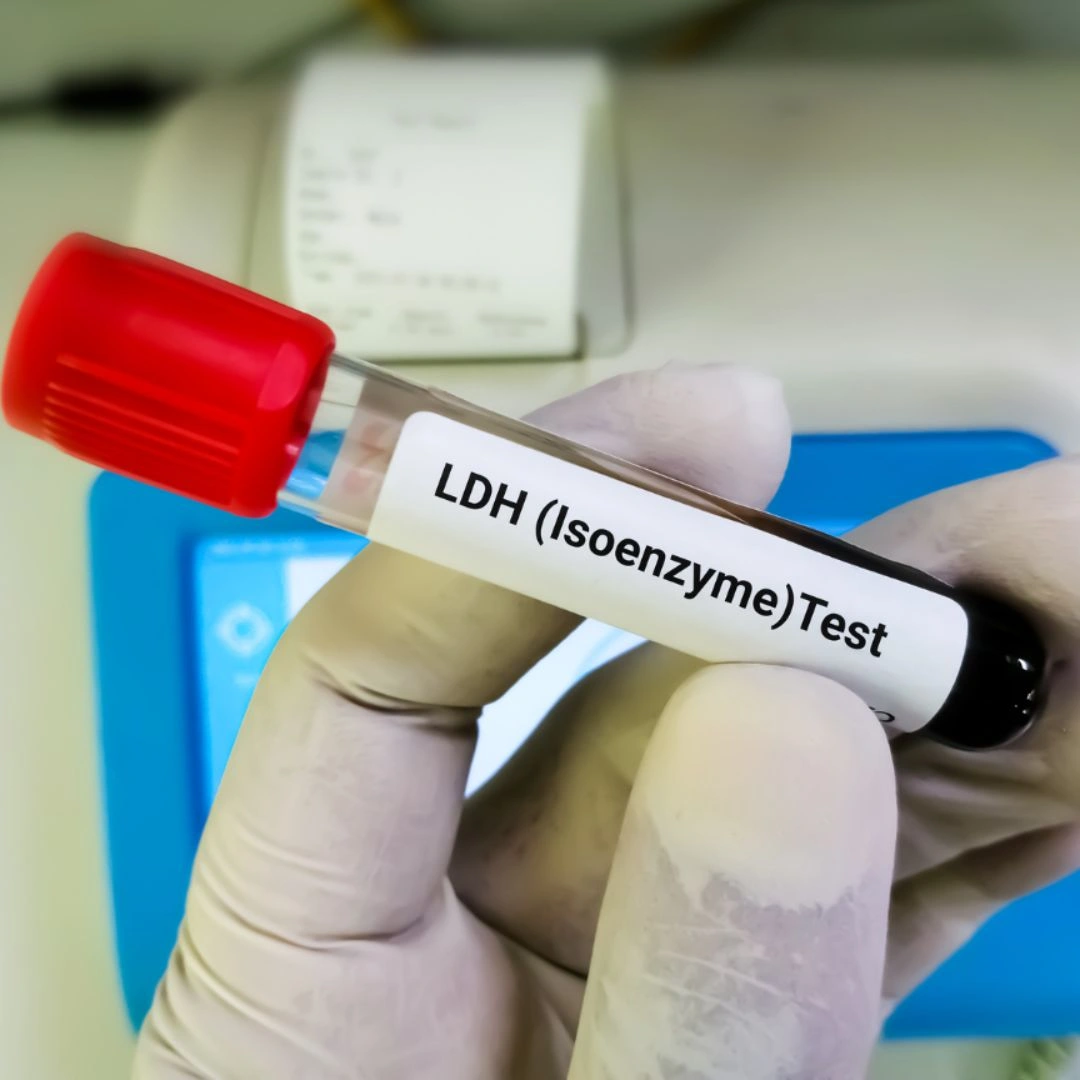
The Lactate Dehydrogenase (LDH), Fluid test measures the level of LDH enzyme in body fluids such as pleural fluid (around the lungs), peritoneal fluid (in the abdomen), or cerebrospinal fluid (around the brain and spinal cord). LDH is an enzyme found in almost all body tissues, and elevated levels in fluids may indicate tissue damage, infection, inflammation, or malignancy.
Uses
This test is used to help differentiate between transudates and exudates in pleural or peritoneal fluid, which assists in diagnosing conditions such as infections, cancers, liver disease, heart failure, or kidney disease. In cerebrospinal fluid, LDH testing may help identify infections like meningitis or neurological cancers.
Symptoms That May Lead to the Test
Doctors may order this test if you have symptoms such as unexplained fluid accumulation (edema, ascites, or pleural effusion), shortness of breath, chest pain, abdominal swelling, fever, or neurological symptoms like headache and neck stiffness. It helps guide further evaluation of the underlying cause.
Abnormal Results
High LDH in Fluid: Suggests tissue damage, infection, malignancy, or inflammatory conditions. In pleural fluid, high LDH is a key marker of an exudative effusion (caused by infection, cancer, or inflammation) as opposed to a transudate (due to systemic causes like heart failure or cirrhosis).
Normal or Low LDH in Fluid: May indicate a transudative process, suggesting systemic rather than localized causes of fluid accumulation.
Risks
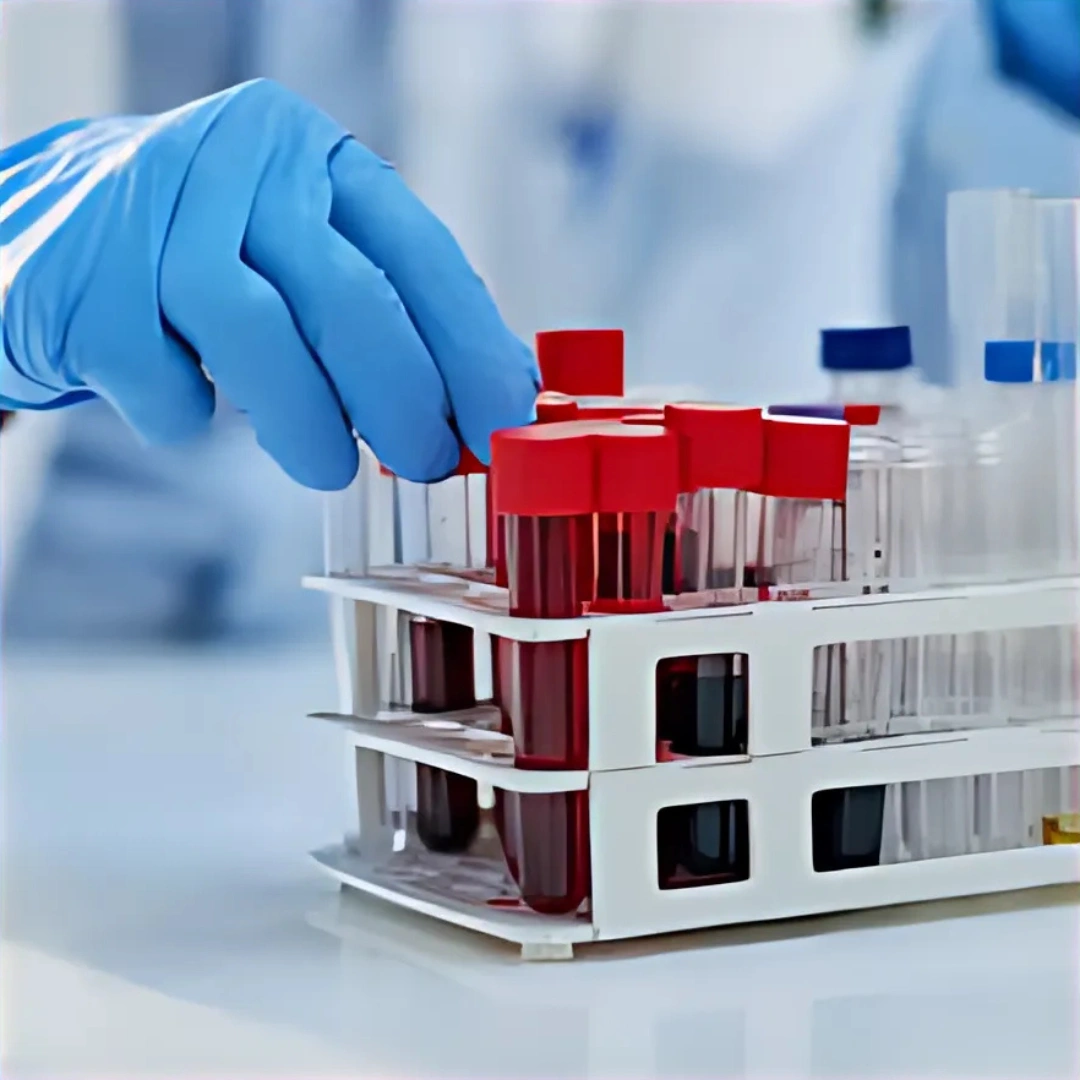
The test requires a fluid sample collected through procedures such as thoracentesis (pleural fluid), paracentesis (abdominal fluid), or lumbar puncture (CSF). These procedures carry small risks including pain, bleeding, or infection, but are generally safe when performed under medical supervision.


Reviews
There are no reviews yet.