Lead
What it is
The Lead test measures the amount of lead in the blood. Lead is a toxic heavy metal that can accumulate in the body through exposure to contaminated air, water, soil, paint, or industrial materials. Even small amounts of lead can cause serious health problems, especially in children, as it affects brain development, nervous system function, and multiple organs.
Uses
This test is used to detect lead poisoning, monitor individuals exposed to lead in their workplace or environment, and assess children at risk of lead exposure from old paints, plumbing, or contaminated soil. It also helps guide treatment decisions, such as the need for chelation therapy.
Symptoms That May Lead to the Test
Doctors may recommend this test if you or your child experience symptoms such as abdominal pain, fatigue, irritability, developmental delays, learning difficulties, headaches, nausea, constipation, loss of appetite, or unexplained anemia. Adults with occupational exposure (battery manufacturing, construction, smelting) may also require testing.
Abnormal Results
Elevated Lead Levels: Suggest lead exposure or poisoning. In children, levels above 5 µg/dL are considered concerning, while higher levels can cause neurological damage, growth delays, and organ dysfunction. In adults, elevated levels may lead to high blood pressure, kidney problems, reproductive issues, or memory loss.
Normal Lead Levels: Indicate no significant exposure. However, since even low levels can affect children’s development, results are always interpreted carefully alongside environmental history.
Risks
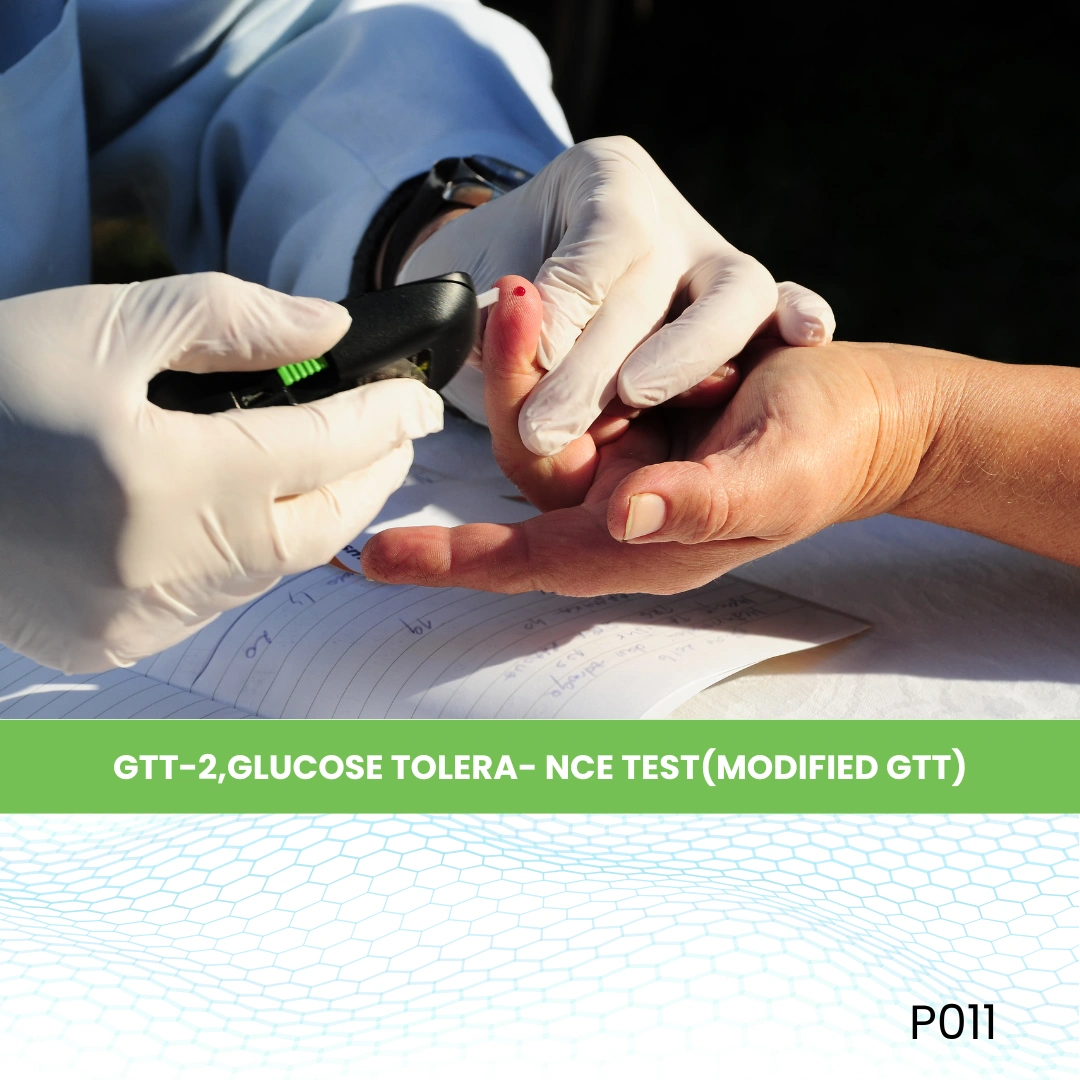
The test requires a standard blood draw, which carries minimal risks such as mild pain, bruising, or dizziness at the puncture site. In children, finger-prick capillary tests may also be used for screening, with confirmatory venous blood tests if results are high.


Reviews
There are no reviews yet.