Lipid Profile Extended
What it is
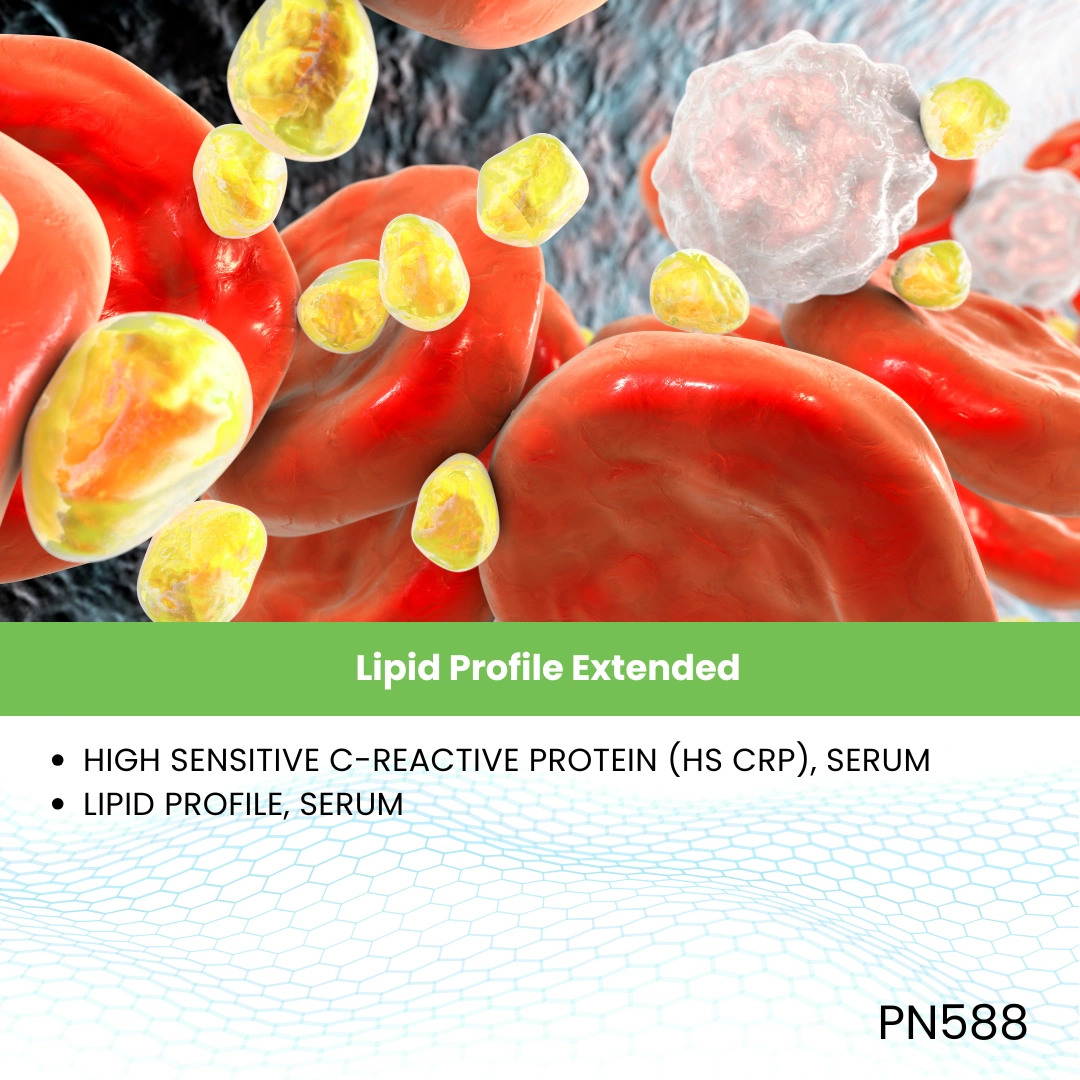
The Lipid Profile Extended test is a detailed blood test that measures standard lipids as well as additional advanced lipid markers to provide a more comprehensive assessment of cardiovascular health. It includes total cholesterol, LDL cholesterol (bad cholesterol), HDL cholesterol (good cholesterol), triglycerides, VLDL cholesterol, and often advanced parameters such as non-HDL cholesterol, LDL/HDL ratio, cholesterol/HDL ratio, and sometimes apolipoproteins (ApoA1, ApoB) or lipoprotein(a).
Uses
This extended test is used to evaluate heart disease risk more accurately than a basic lipid profile. It helps in identifying hidden risks in patients who may have normal standard cholesterol values but abnormal advanced lipid markers. It is also useful in guiding targeted therapy for patients with diabetes, metabolic syndrome, obesity, or strong family history of cardiovascular disease.
Symptoms That May Lead to the Test
Doctors may recommend the Lipid Profile Extended if you have symptoms such as chest pain, shortness of breath, or visible fat deposits (xanthomas), or if you have risk factors like diabetes, obesity, hypertension, smoking, sedentary lifestyle, or a family history of premature heart disease. It may also be part of preventive health check-ups.
Abnormal Results
High LDL or Non-HDL Cholesterol: Indicates increased risk of atherosclerosis, heart attack, or stroke.
Low HDL Cholesterol: Suggests reduced protective effect against cardiovascular disease.
High Triglycerides: Often associated with metabolic syndrome, obesity, or poorly controlled diabetes.
Abnormal Ratios or Advanced Markers: Elevated ApoB or Lipoprotein(a) further increases cardiovascular risk, even when standard cholesterol levels appear normal.
Risks
The test requires a routine blood sample, with minimal risks such as slight pain, bruising, or dizziness at the puncture site. Fasting for 9–12 hours may be required depending on the specific parameters included.


Reviews
There are no reviews yet.