Lithium, Serum
What it is
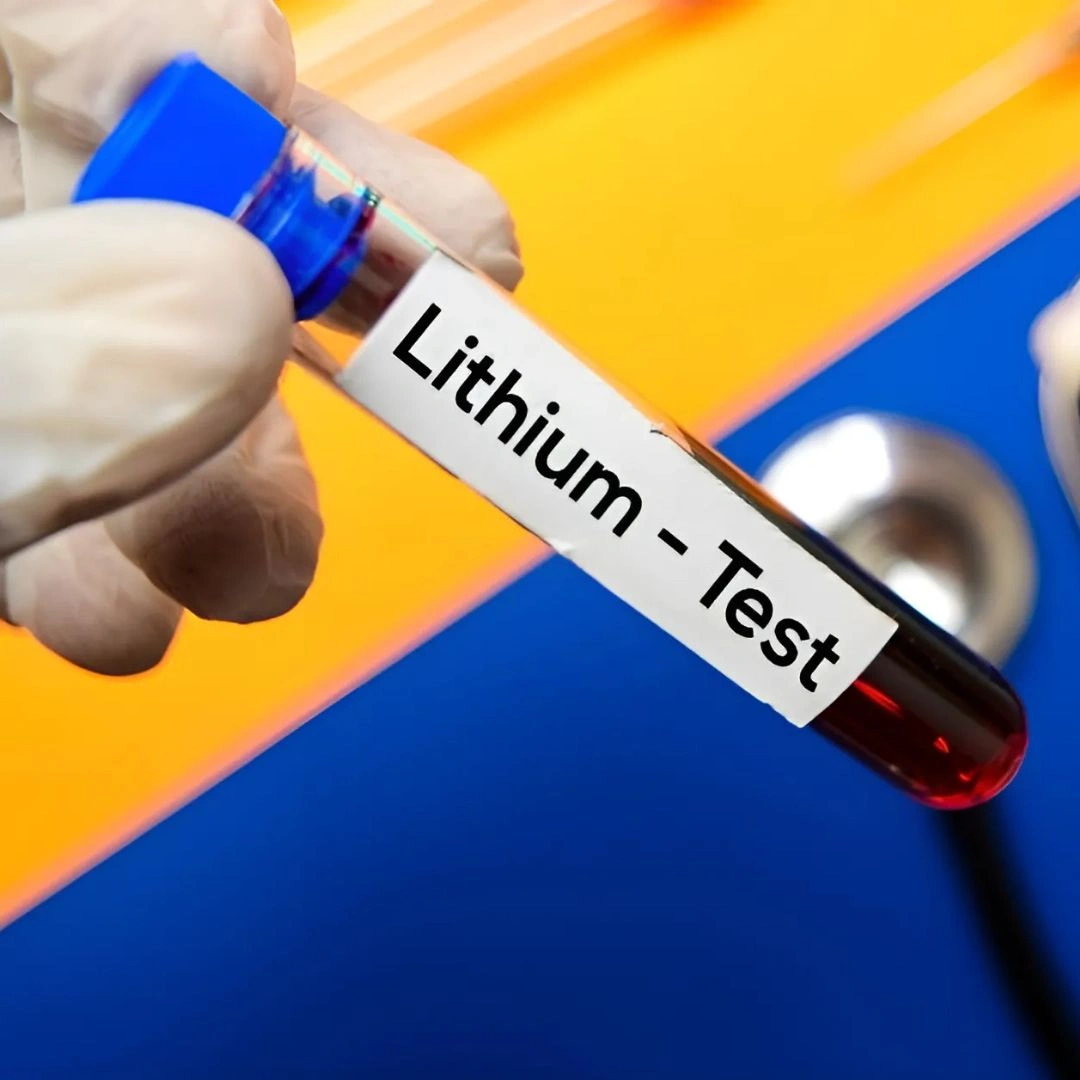
The Lithium, Serum test measures the concentration of lithium in the blood. Lithium is a mood-stabilizing medication commonly prescribed for bipolar disorder, major depression, and certain psychiatric conditions. Since lithium has a narrow therapeutic range, regular monitoring is essential to ensure effective treatment while avoiding toxicity.
Uses
This test is primarily used to monitor lithium therapy in patients with bipolar disorder or depression. It helps confirm that lithium levels remain within the therapeutic range, guides dosage adjustments, and prevents side effects or toxicity. It may also be ordered to check for lithium poisoning in suspected overdose cases.
Symptoms That May Lead to the Test
Doctors may recommend this test if you are on lithium therapy or if you show signs of lithium imbalance. Symptoms that may lead to testing include tremors, excessive thirst, frequent urination, nausea, vomiting, confusion, muscle weakness, drowsiness, or unsteady movements. In severe cases, lithium toxicity may cause seizures or kidney damage.
Abnormal Results
High Lithium Levels: Indicate potential lithium toxicity, which can lead to serious complications such as confusion, seizures, irregular heartbeat, or kidney damage. Immediate medical intervention may be required.
Low Lithium Levels: Suggest under-dosing, poor absorption, or non-compliance with medication, which may result in poor symptom control of bipolar disorder or depression.
Therapeutic Range: For most patients, the target serum lithium level is typically between 0.6 and 1.2 mmol/L, though the exact range depends on clinical context.
Risks
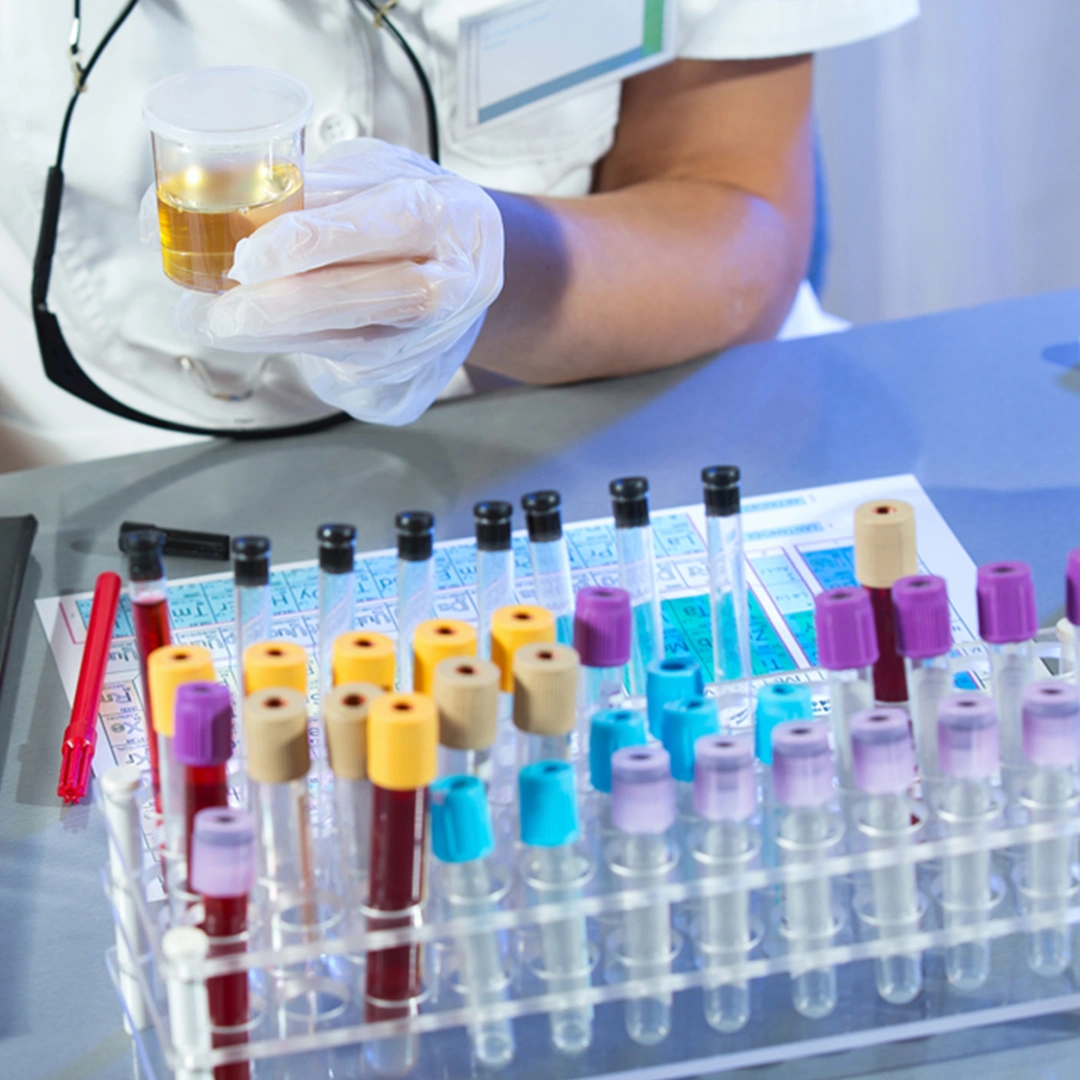
The test requires a routine blood sample, with minimal risks such as mild pain, bruising, or dizziness at the puncture site. Serious complications are extremely rare. Timing of the test (usually 12 hours after the last dose) is important for accurate results.


Reviews
There are no reviews yet.