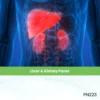
Liver & Kidney Panel
What it is
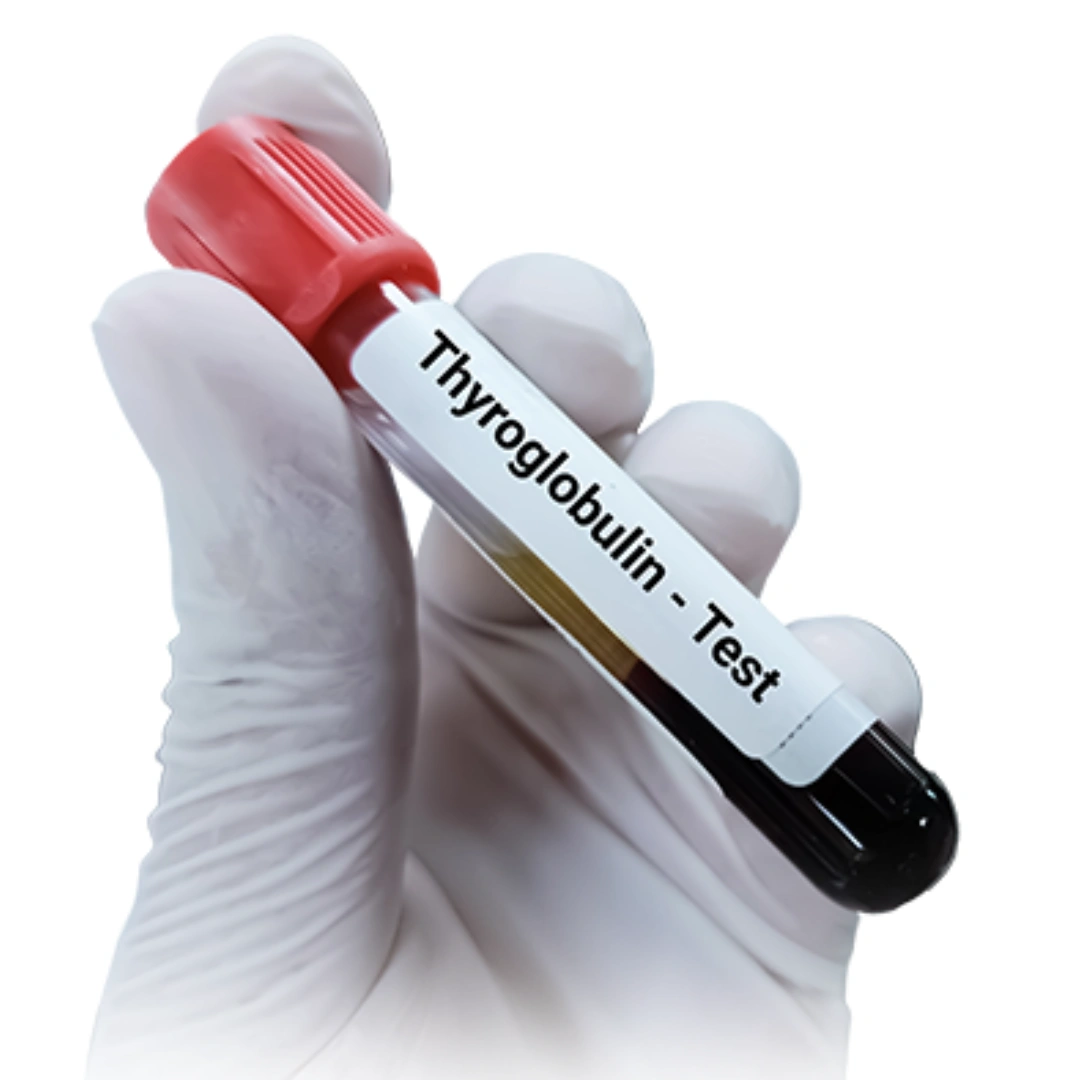
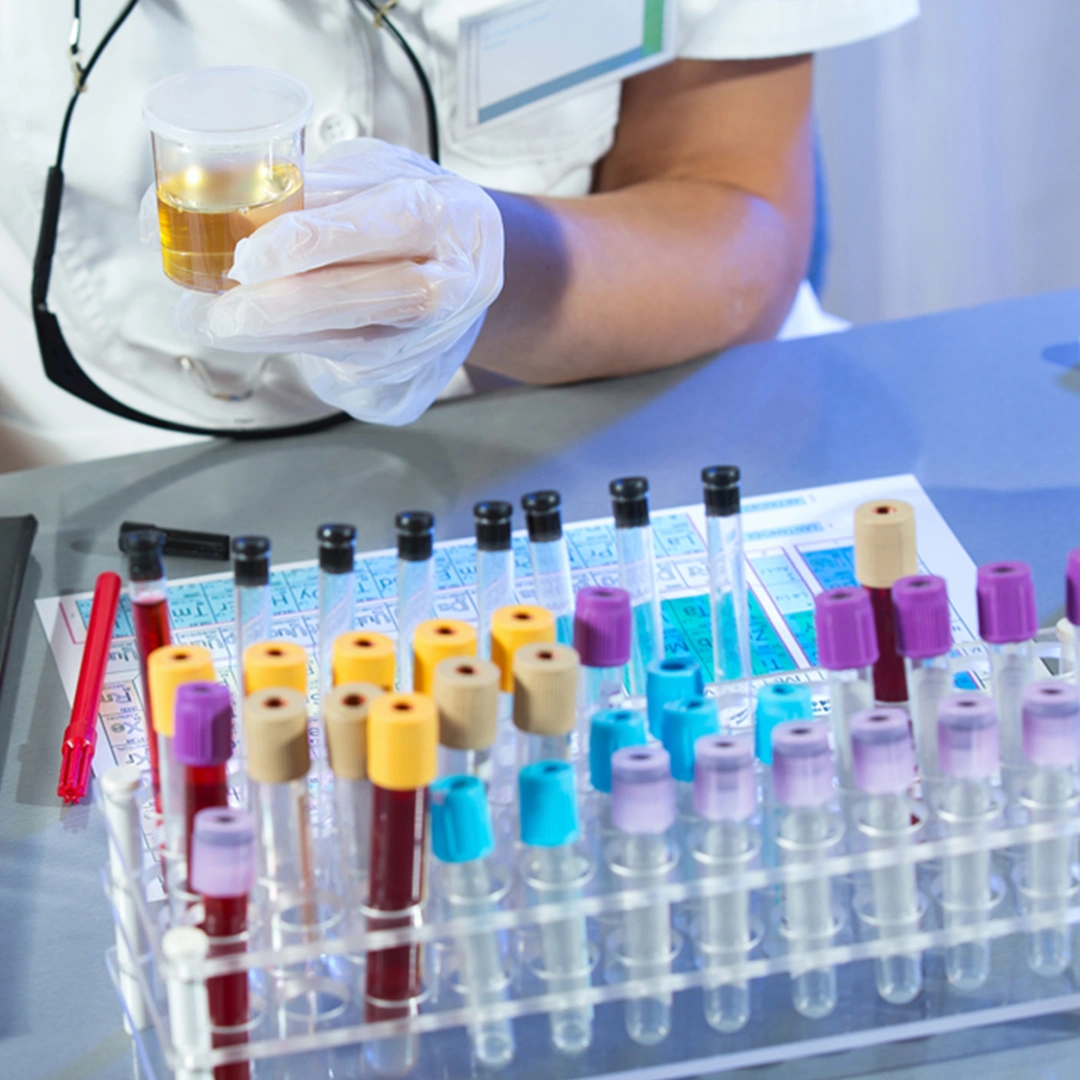
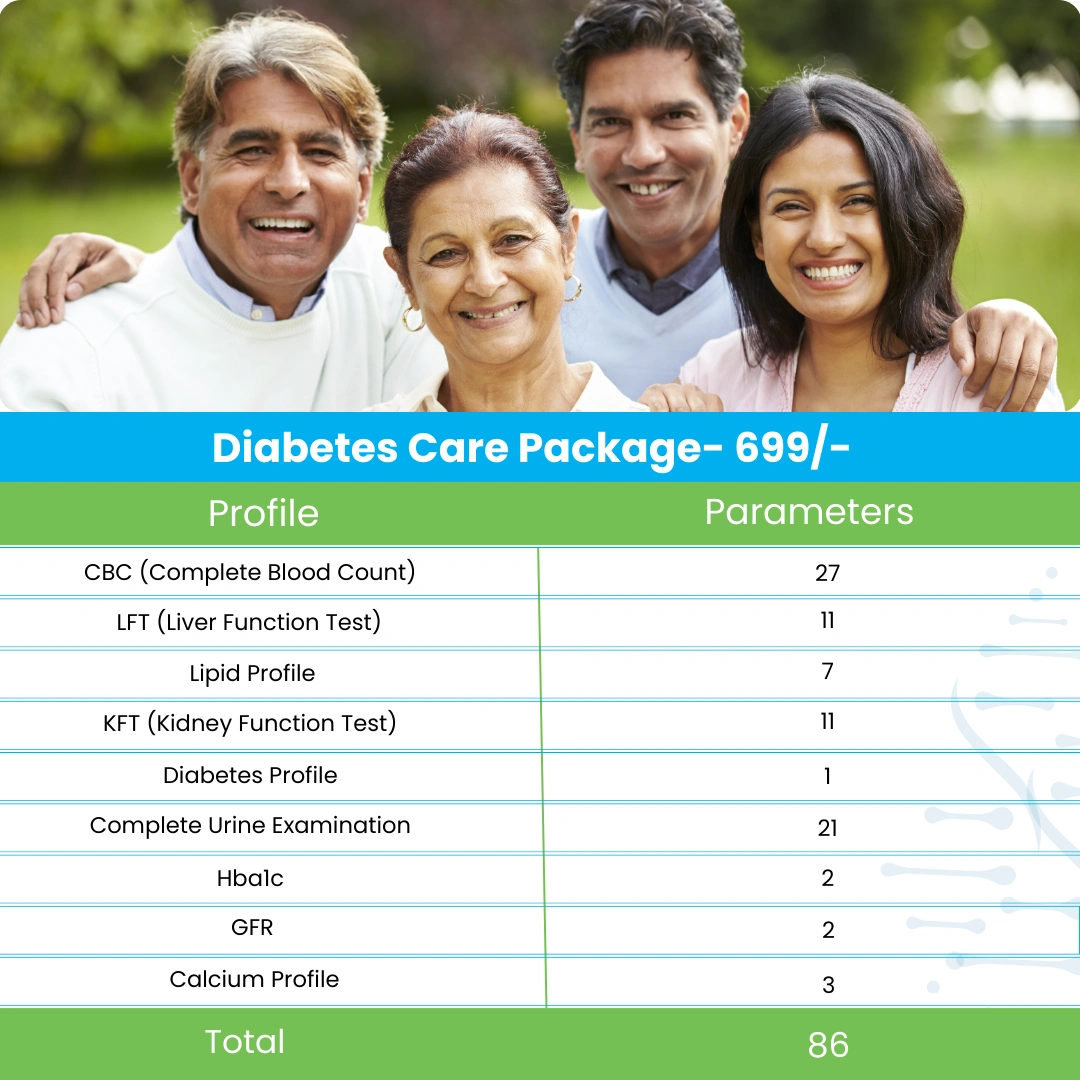
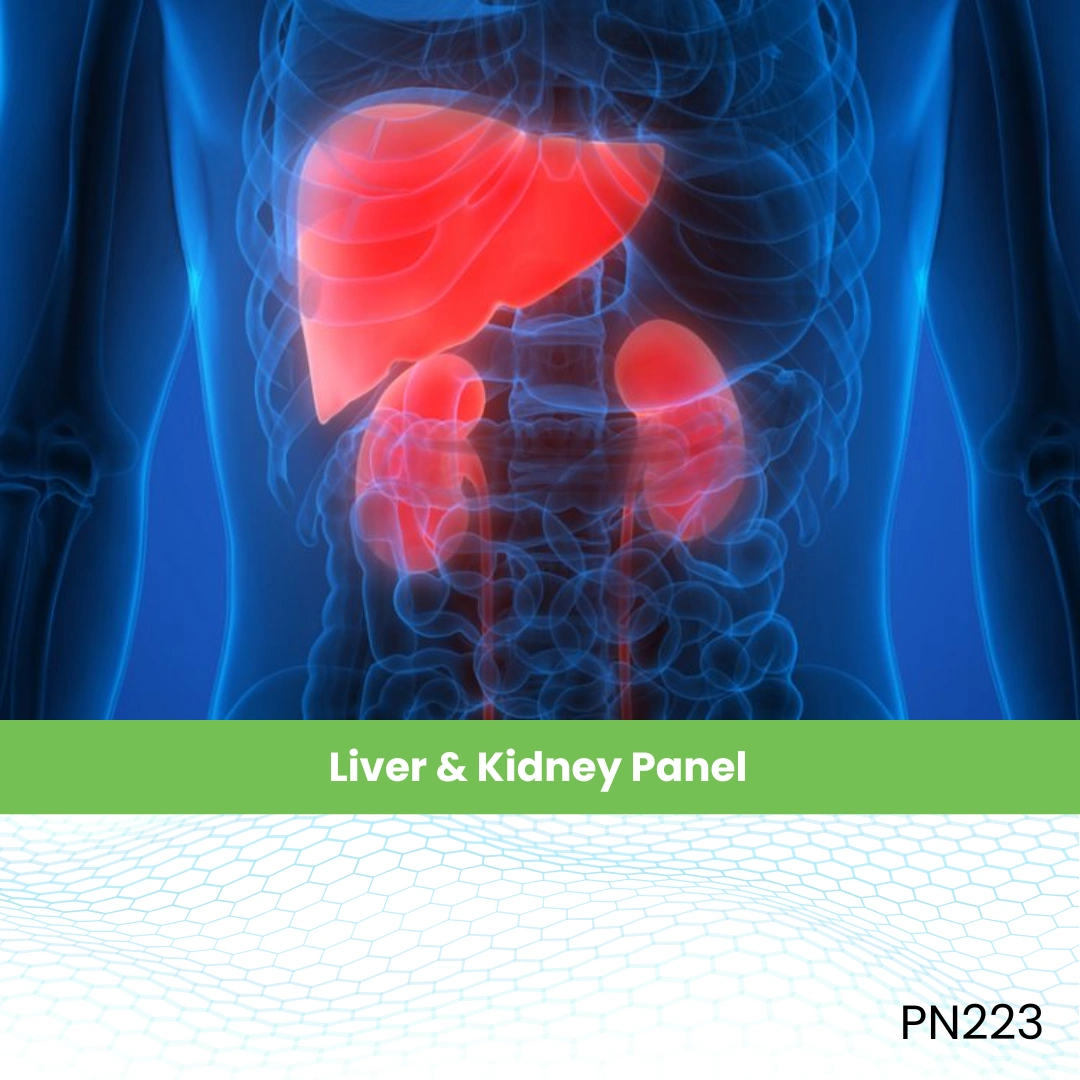
The Liver & Kidney Panel is a diagnostic blood test package that evaluates the function of two vital organs – the liver and the kidneys. It typically includes liver function markers such as bilirubin, SGPT (ALT), SGOT (AST), alkaline phosphatase (ALP), total protein, albumin, and globulin, along with kidney function markers such as serum creatinine, blood urea nitrogen (BUN), uric acid, electrolytes (sodium, potassium, chloride), calcium, phosphorus, and estimated glomerular filtration rate (eGFR). This combined panel provides an overall picture of detoxification, metabolism, and waste elimination in the body.
Uses
This test is used to diagnose and monitor liver and kidney disorders, detect organ damage caused by chronic conditions, and evaluate the effects of medications or toxins that may affect these organs. It is also commonly recommended for patients with diabetes, hypertension, hepatitis, alcohol use disorder, or suspected metabolic disease. Additionally, it is useful in pre-surgical evaluations and preventive health check-ups.
Symptoms That May Lead to the Test
Doctors may recommend a Liver & Kidney Panel if you experience persistent fatigue, swelling of legs or face, yellowing of skin or eyes (jaundice), nausea, vomiting, abdominal discomfort, high blood pressure, dark or foamy urine, or unexplained weight changes. It is especially important for individuals with a family history of liver or kidney disease.
Abnormal Results
Liver Abnormalities: High ALT/AST may indicate hepatitis, fatty liver disease, or alcohol-related injury. Elevated bilirubin suggests jaundice, bile duct obstruction, or liver cell damage. Low albumin or abnormal protein levels may reflect chronic liver disease or poor nutrition.
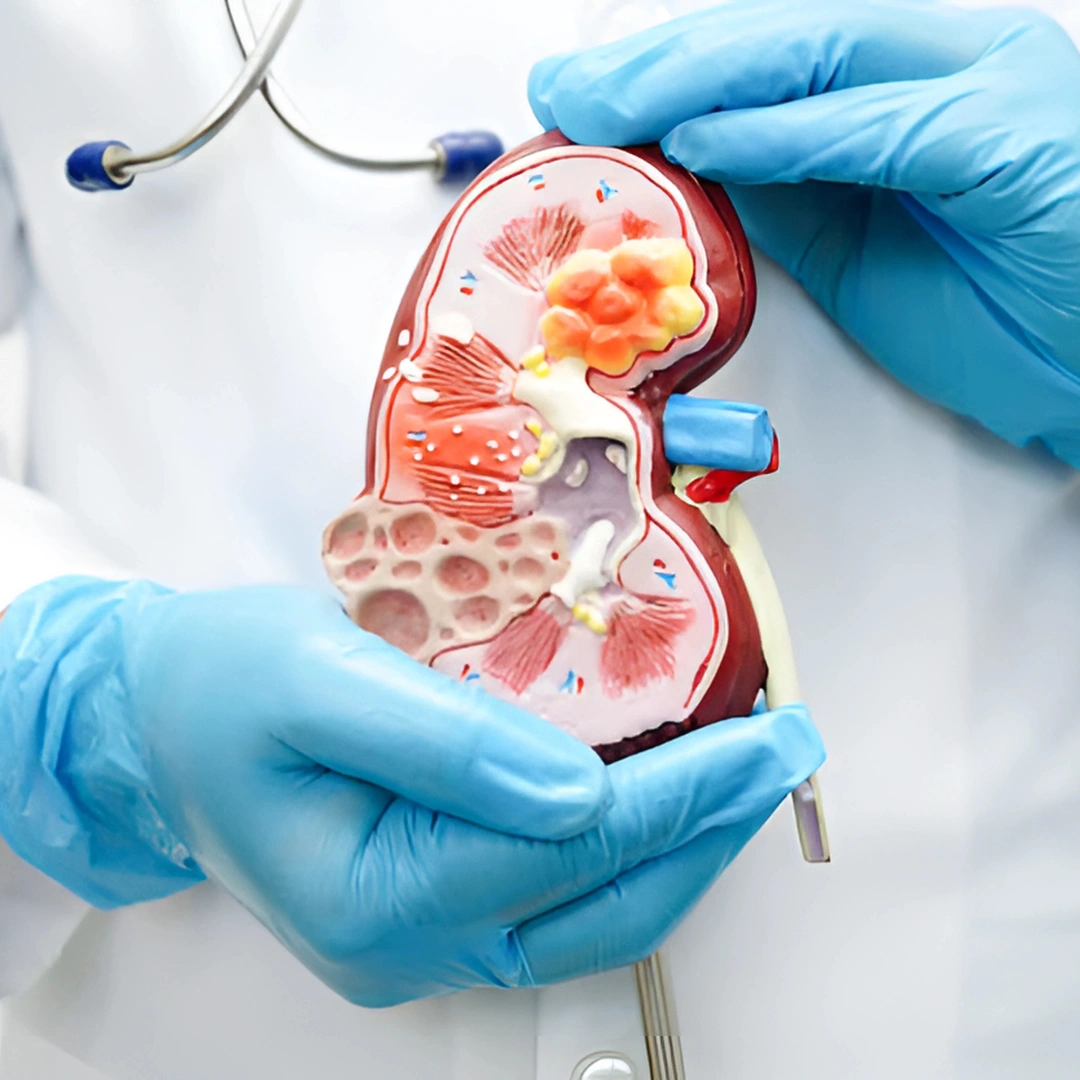
Kidney Abnormalities: Elevated creatinine and BUN indicate impaired kidney function or chronic kidney disease. A low eGFR suggests reduced filtration ability. Abnormal electrolytes, calcium, or phosphorus levels may point to metabolic imbalances linked to kidney dysfunction.
Risks
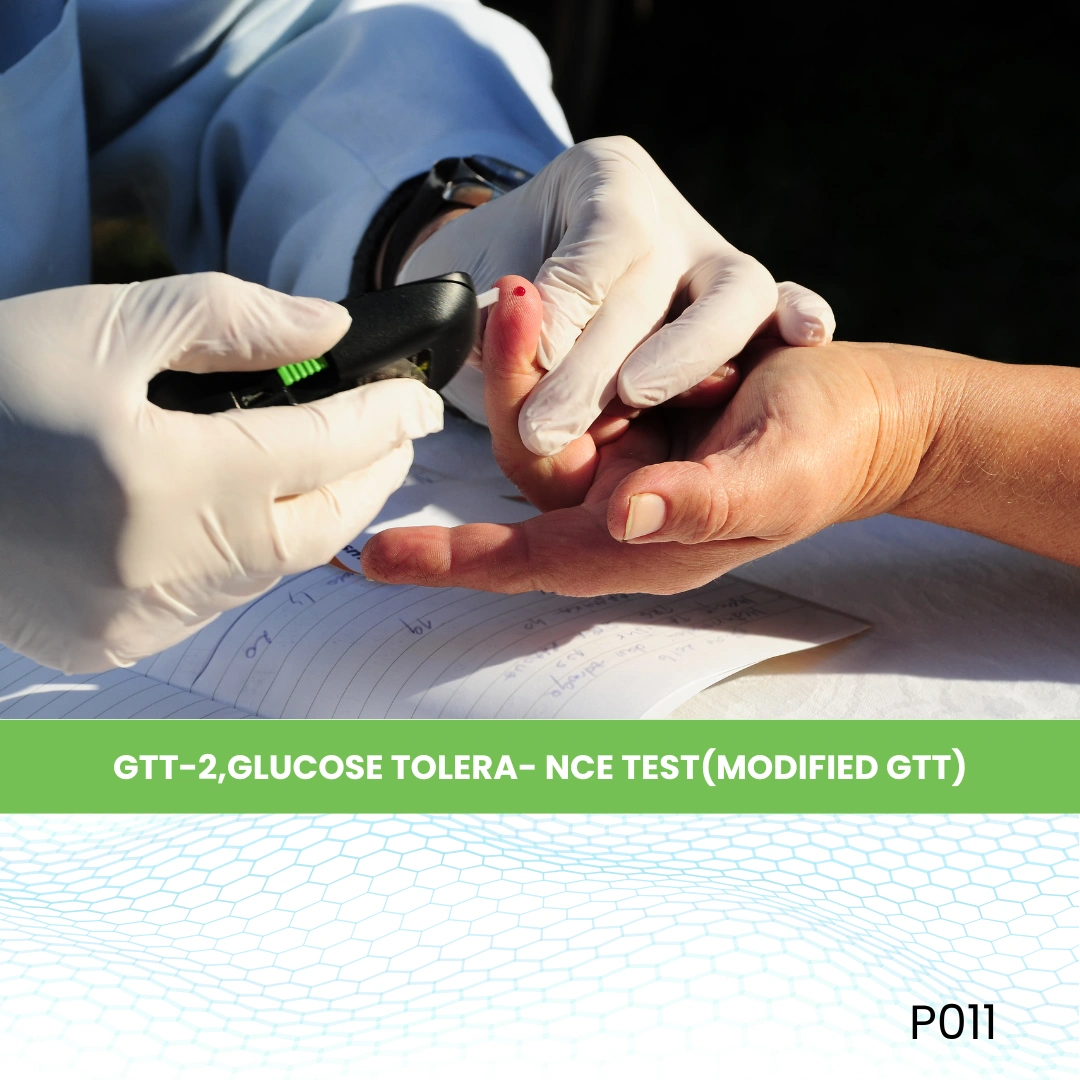
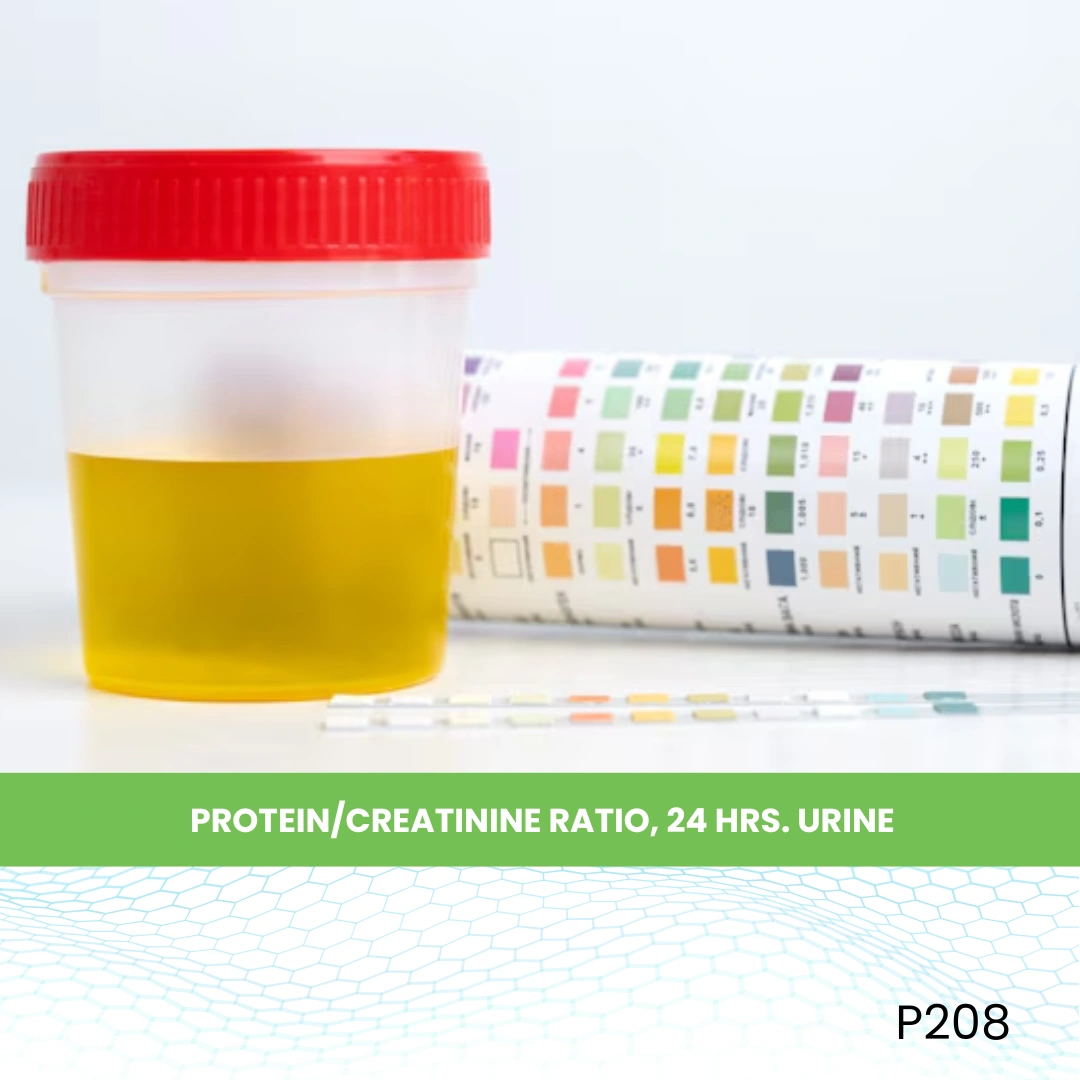
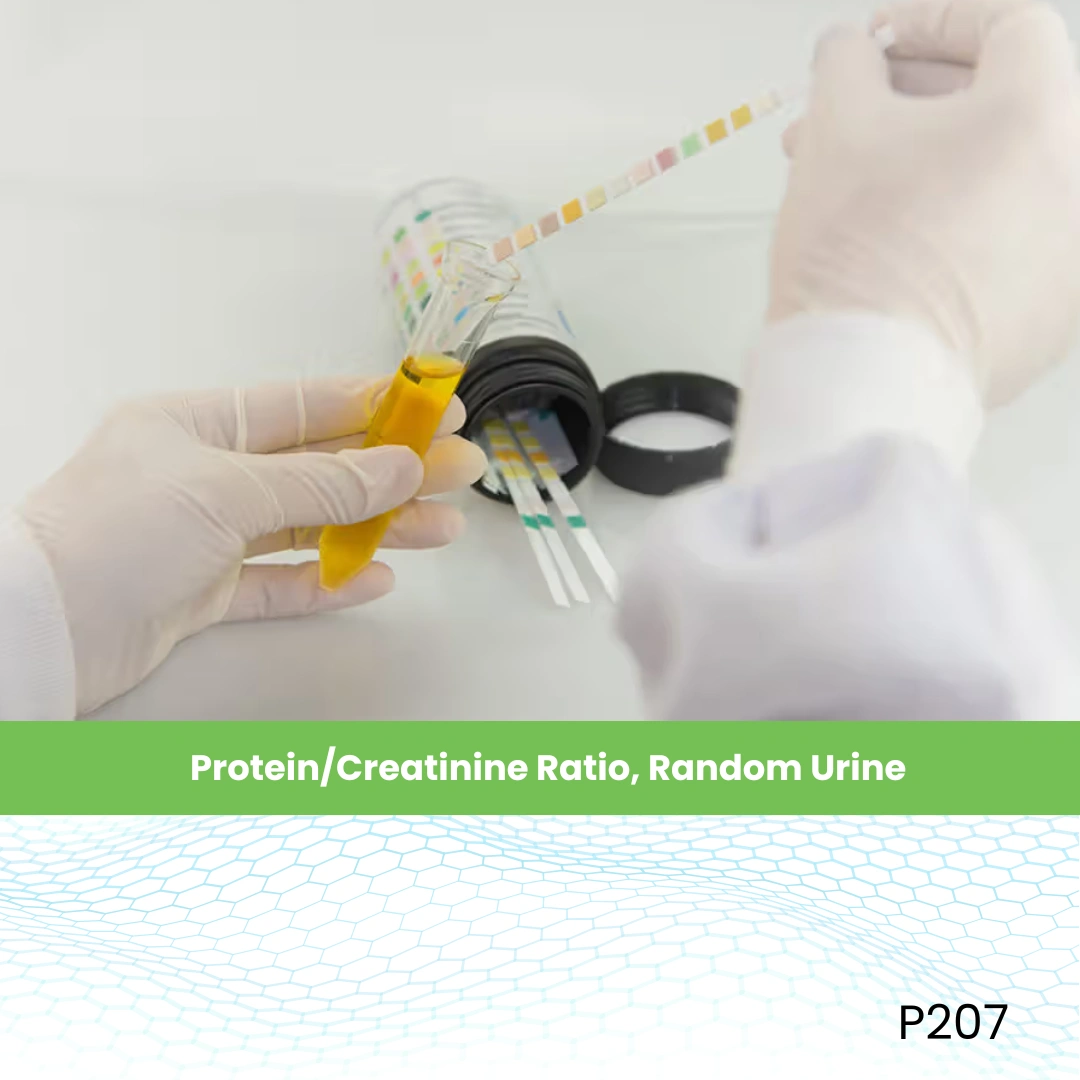
The test requires a routine blood sample, with minimal risks such as mild pain, bruising, or dizziness at the puncture site. In some cases, a urine test may also be included for a more complete kidney evaluation. Serious complications are very rare.


Reviews
There are no reviews yet.