Magnesium, 24 Hours Urine
What it is
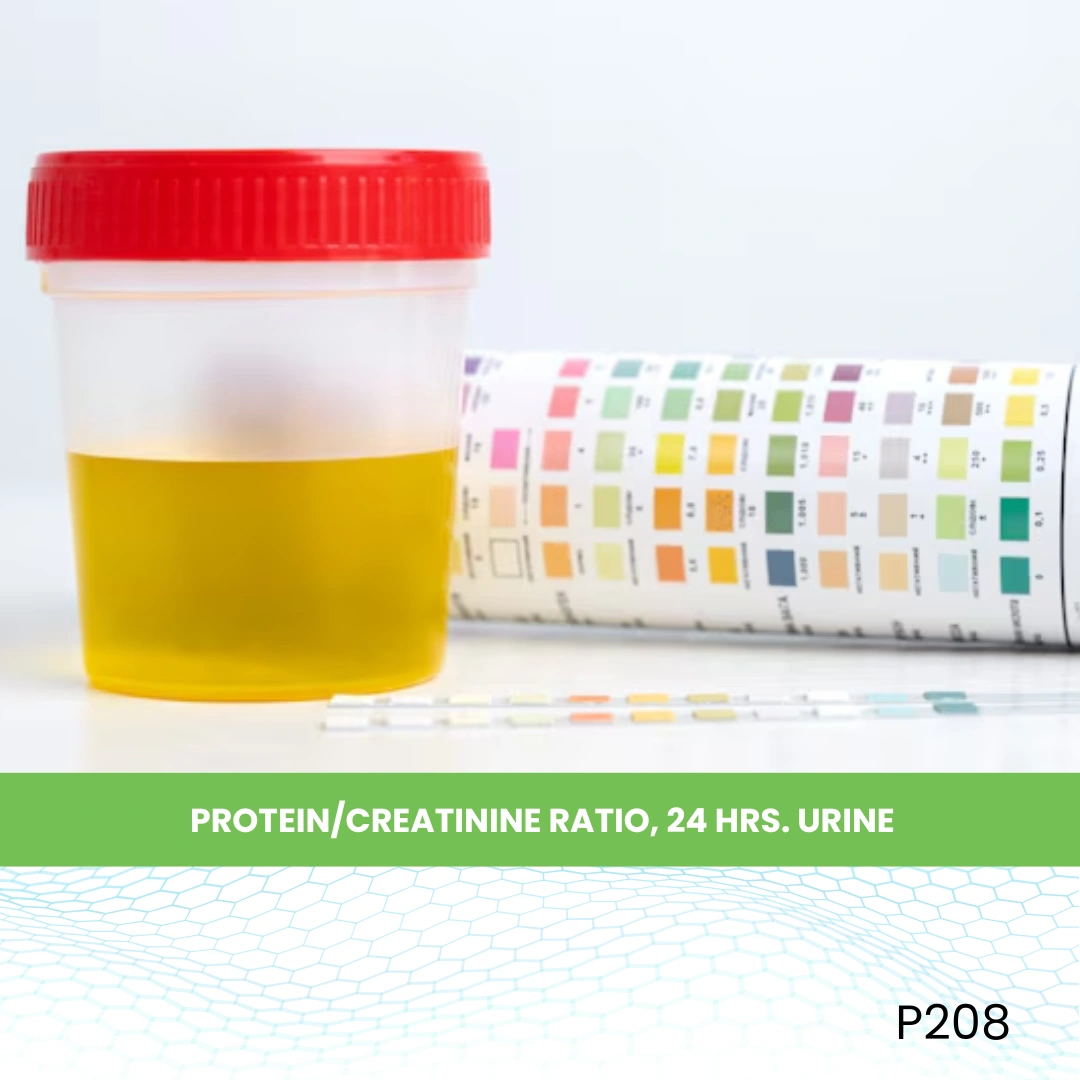
The Magnesium, 24 Hours Urine test measures the amount of magnesium excreted in urine collected over a full 24-hour period. Magnesium is an essential mineral involved in muscle function, nerve signaling, bone health, and energy production. Abnormal magnesium levels in urine may reflect kidney function issues, dietary imbalances, or metabolic disorders.
Uses
This test helps evaluate magnesium balance in the body, investigate causes of low or high blood magnesium, and assess kidney handling of magnesium. It is often ordered when doctors suspect conditions such as malabsorption, kidney disease, uncontrolled diabetes, or unexplained electrolyte abnormalities. It can also help in monitoring patients on magnesium supplements or diuretics.
Symptoms That May Lead to the Test
Doctors may recommend this test if you experience muscle cramps, weakness, irregular heartbeat, fatigue, seizures, numbness or tingling, or unexplained electrolyte disturbances. It is also ordered in patients with suspected hypomagnesemia or hypermagnesemia not fully explained by blood tests.
Abnormal Results
Low Magnesium Excretion: May indicate dietary deficiency, gastrointestinal malabsorption (e.g., Crohn’s disease, celiac disease), alcoholism, or chronic kidney disease.
High Magnesium Excretion: May be seen in kidney disorders causing magnesium wasting, uncontrolled diabetes, hyperparathyroidism, or with certain medications like diuretics or aminoglycosides.
Risks
This test requires collecting urine over 24 hours. There are no direct risks other than the inconvenience of timed collection. Accurate results depend on proper collection and storage of the urine sample during the test period.


Reviews
There are no reviews yet.