Meningitis Viral Panel
What it is
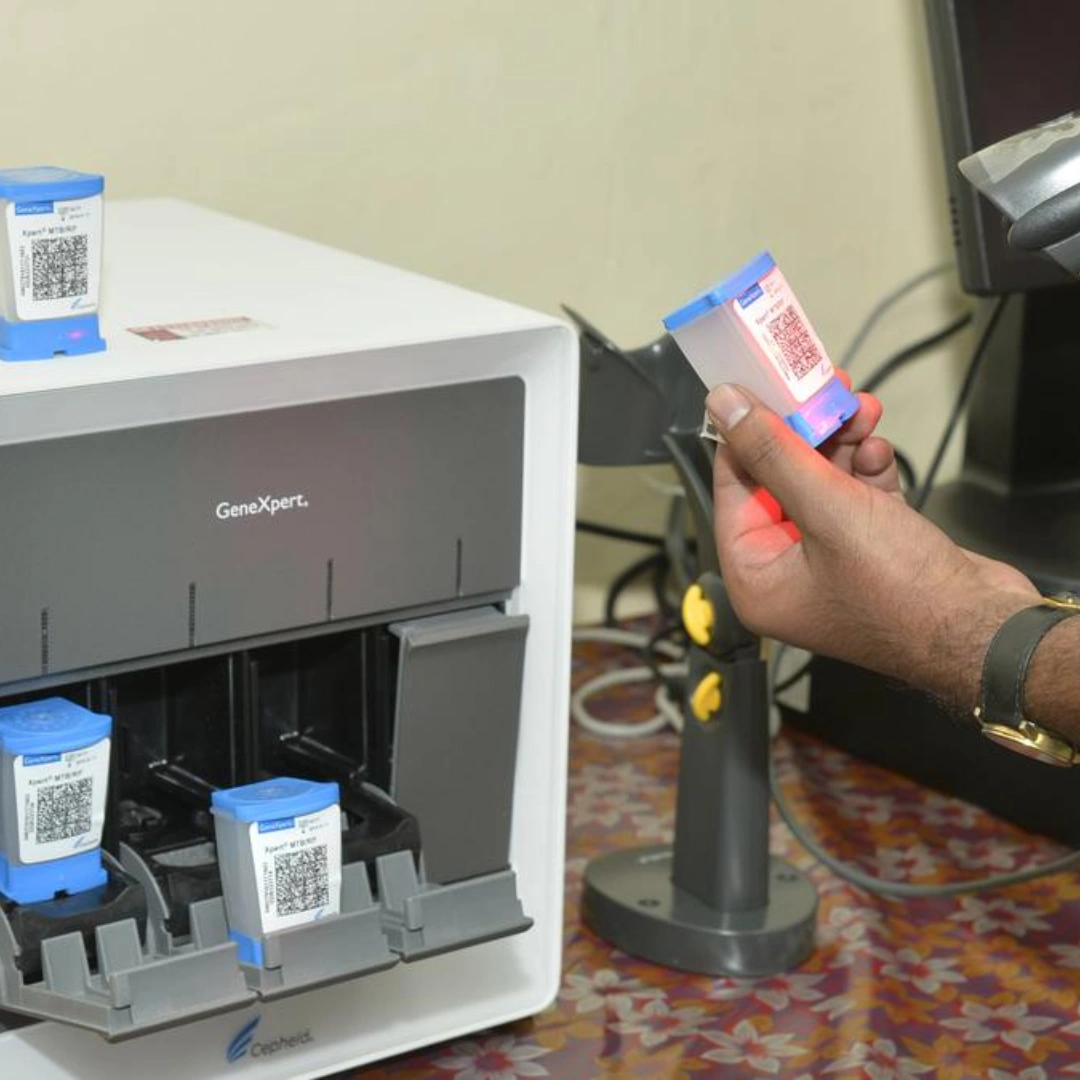
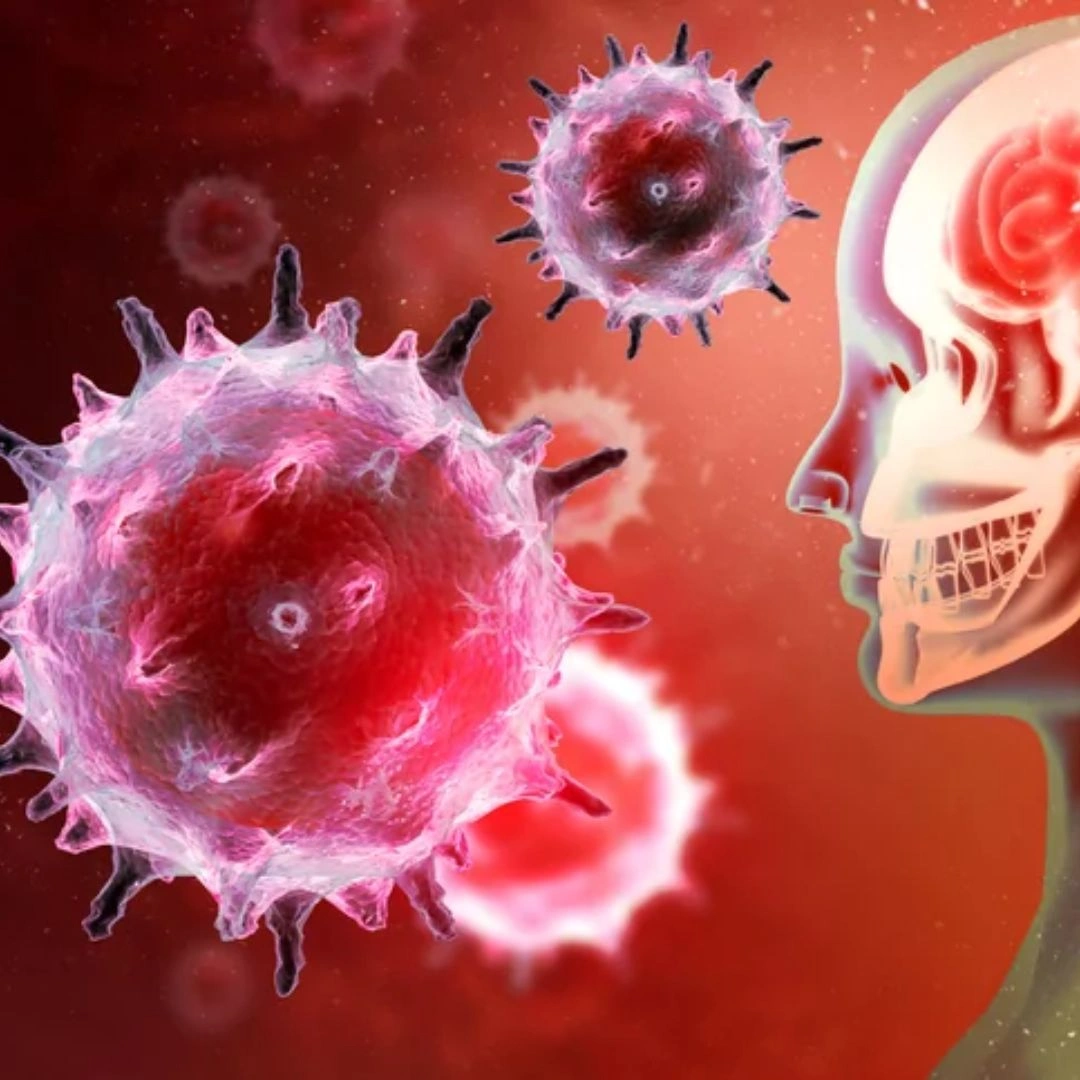
The Meningitis Viral Panel is a laboratory test that detects the genetic material (DNA or RNA) of common viruses that can cause meningitis—an inflammation of the membranes covering the brain and spinal cord. Typically performed using PCR (polymerase chain reaction) on a cerebrospinal fluid (CSF) sample, this test allows for rapid, accurate identification of viral pathogens compared to traditional culture methods.
Uses
This test is used to quickly diagnose viral meningitis, helping to distinguish it from bacterial meningitis, which requires urgent antibiotic treatment. It guides appropriate medical management, avoids unnecessary use of antibiotics, and supports infection control measures. The panel usually screens for viruses such as enteroviruses, herpes simplex virus (HSV), varicella-zoster virus (VZV), cytomegalovirus (CMV), Epstein-Barr virus (EBV), and human herpesvirus-6 (HHV-6).
Symptoms That May Lead to the Test
Doctors may recommend this test if you show symptoms of meningitis, including severe headache, neck stiffness, fever, nausea, vomiting, light sensitivity (photophobia), confusion, or seizures. The test is often ordered after a lumbar puncture when meningitis is suspected.
Abnormal Results
Positive Result: Confirms the presence of viral genetic material in the CSF, indicating viral meningitis caused by a specific pathogen included in the panel. Identifying the exact virus helps guide treatment decisions, especially for treatable infections like HSV or VZV.
Negative Result: Suggests that no viral genetic material was detected for the viruses included in the panel. However, meningitis due to bacteria, fungi, or less common viruses not covered by the test cannot be ruled out.
Risks
The test itself has no direct risks, as it analyzes a CSF sample. Risks are related to the lumbar puncture procedure, which may include temporary headache, back pain, bleeding, or—in rare cases—infection. These risks are usually mild and manageable.


Reviews
There are no reviews yet.