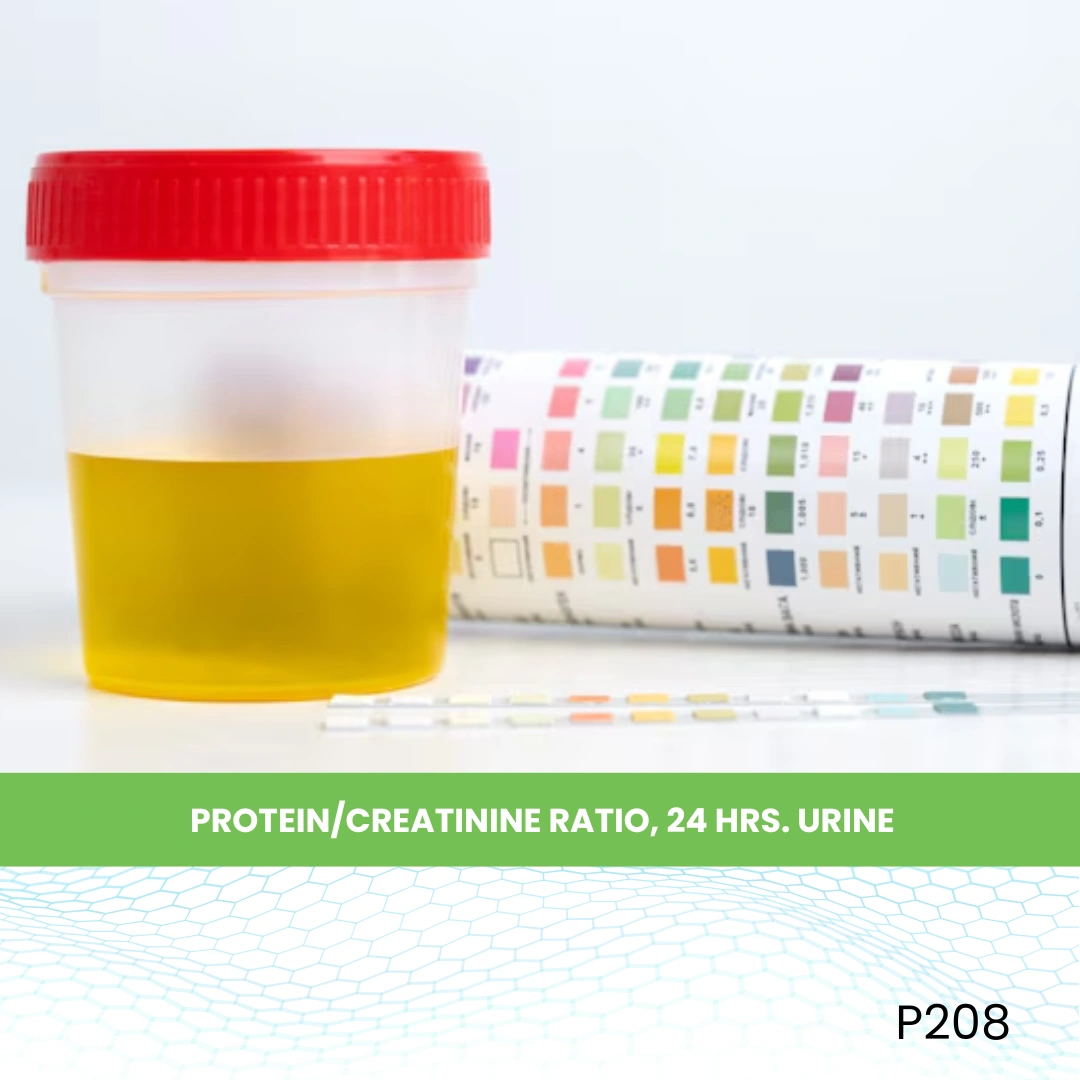
Mercury, 24 Hours Urine
What it is
The Mercury, 24 Hours Urine test measures the amount of mercury excreted in urine collected over a full 24-hour period. Mercury is a toxic heavy metal that can accumulate in the body from environmental, dietary, or occupational exposure. This test is one of the most reliable methods for assessing recent or chronic mercury exposure and monitoring mercury elimination.
Uses
This test is used to evaluate suspected mercury poisoning, confirm exposure in individuals working in industries such as mining, dentistry, or manufacturing, and assess environmental or dietary contamination (such as fish consumption). It may also be used to monitor patients undergoing chelation therapy for heavy metal detoxification.
Symptoms That May Lead to the Test
Doctors may recommend this test if you experience symptoms of mercury toxicity, which may include tremors, muscle weakness, numbness or tingling, memory loss, irritability, mood changes, difficulty concentrating, gastrointestinal upset, kidney problems, or unexplained neurological decline.
Abnormal Results
High Urinary Mercury: Indicates significant mercury exposure or poisoning, which may result from occupational hazards, dental amalgams, contaminated seafood, or broken thermometers/fluorescent bulbs. Elevated levels require medical evaluation and possible treatment.
Low Urinary Mercury: Is considered normal in individuals without significant exposure. However, results should always be interpreted alongside symptoms and other diagnostic findings.
Risks
The test itself carries no risks, as it involves only urine collection over 24 hours. The main challenge is the inconvenience of collecting all urine during the test period and ensuring proper sample storage for accurate results.


Reviews
There are no reviews yet.