Mercury, Serum
What it is
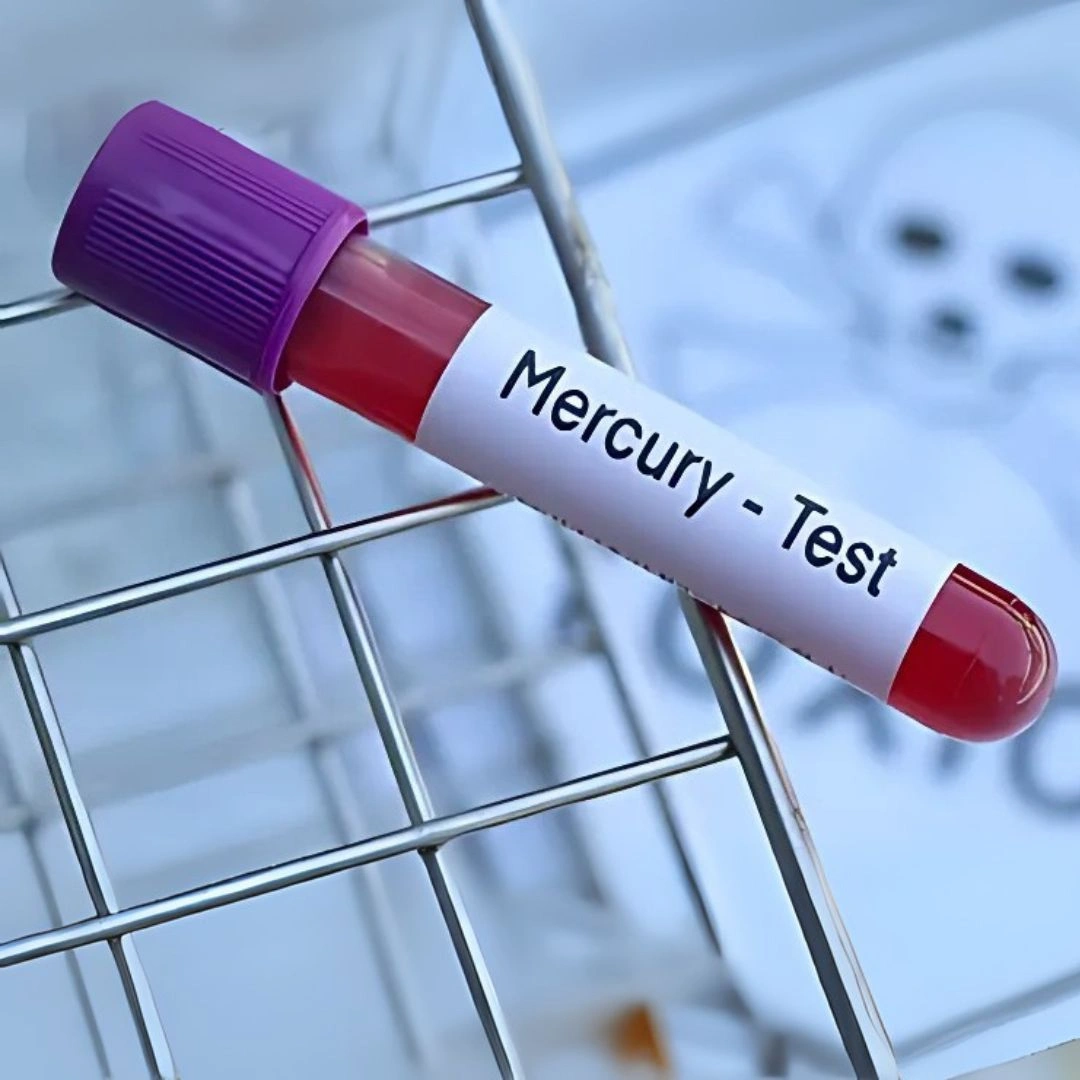
The Mercury, Serum test measures the concentration of mercury in the blood. Mercury is a toxic heavy metal that can accumulate in the body from environmental, dietary, or occupational sources. The serum mercury test is especially useful for detecting recent exposure, since mercury remains in the blood for only a short period before being distributed to other tissues or excreted.
Uses
This test is used to evaluate suspected mercury poisoning, confirm exposure in individuals working in industries like mining, dentistry, or manufacturing, and assess contamination from food sources such as seafood. It may also be ordered in cases of environmental exposure or accidental ingestion. Doctors can use it to guide treatment and monitor patients undergoing chelation therapy for mercury detoxification.
Symptoms That May Lead to the Test
Doctors may recommend this test if you experience symptoms of mercury toxicity, including tremors, muscle weakness, memory loss, mood changes, numbness or tingling, irritability, difficulty concentrating, vision or hearing changes, gastrointestinal upset, or kidney problems. In children, developmental delays or behavioral issues after suspected exposure may also prompt testing.
Abnormal Results
High Serum Mercury: Suggests recent mercury exposure or poisoning, which may result from contaminated food, dental amalgams, industrial contact, or broken mercury-containing items. Prompt medical evaluation and intervention may be required.
Low/Normal Serum Mercury: Is expected in healthy individuals without recent exposure. However, normal results do not completely rule out mercury toxicity, since mercury can quickly move from the bloodstream into organs and tissues.
Risks
The test requires a standard blood draw, with minimal risks such as mild pain, bruising, or dizziness at the puncture site. These effects are temporary and usually harmless.


Reviews
There are no reviews yet.