Methadone, Urine
What it is
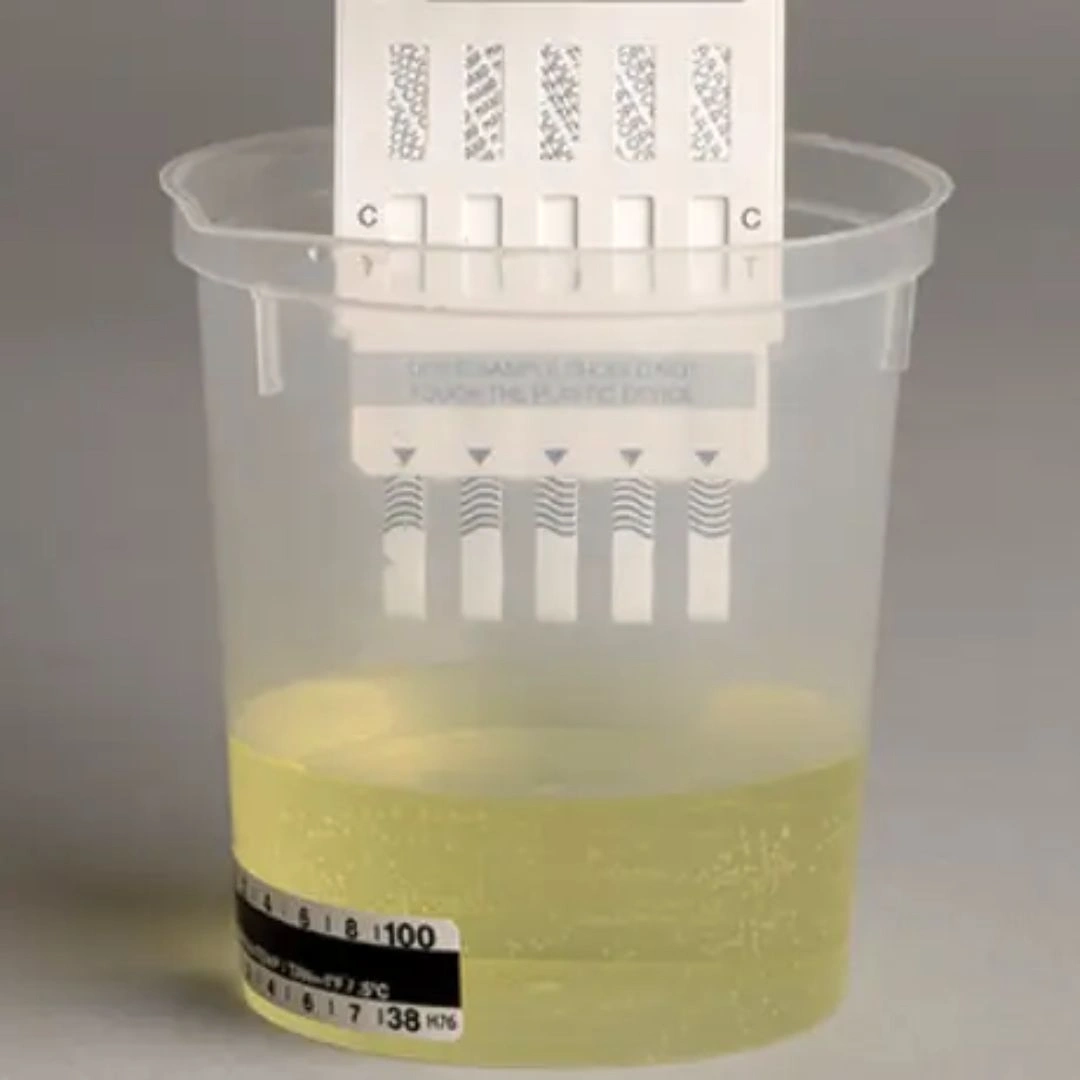
The Methadone, Urine test detects the presence of methadone and its metabolites in a urine sample. Methadone is a synthetic opioid used for pain management and as part of medication-assisted treatment (MAT) for opioid dependence. This test is commonly included in drug monitoring programs to confirm recent use, adherence to treatment, or potential misuse.
Uses
This test is used in clinical and rehabilitation settings to monitor patients prescribed methadone for opioid use disorder or chronic pain. It is also part of workplace, legal, and forensic drug screening programs to detect unauthorized or illicit methadone use. The test helps doctors ensure compliance with treatment and prevent diversion or abuse.
Symptoms That May Lead to the Test
Doctors may order this test if you show signs of opioid misuse or overdose, such as drowsiness, confusion, pinpoint pupils, slowed breathing, or unexplained behavioral changes. It may also be used routinely in patients enrolled in methadone maintenance therapy.
Abnormal Results
Positive Result: Indicates the presence of methadone or its metabolites, confirming recent use. Detection times vary but methadone is usually detectable in urine for 2–7 days after the last dose, depending on dosage and individual metabolism.
Negative Result: Suggests no methadone detected or levels below the test’s cutoff. A negative result in a patient prescribed methadone may indicate non-compliance or possible diversion.
Risks
The test is non-invasive and involves only urine collection. Risks are minimal, limited to sample handling and privacy concerns. False positives or negatives can occur due to cross-reactivity with certain medications or test sensitivity.


Reviews
There are no reviews yet.