Methemoglobin Estimation
What it is
The Methemoglobin Estimation test measures the proportion of methemoglobin (MetHb) in the blood. Methemoglobin is an oxidized form of hemoglobin that cannot bind oxygen efficiently. While normally less than 2% of hemoglobin is in this form, higher levels can impair oxygen delivery and result in a condition called methemoglobinemia.
Uses
This test is used to diagnose and monitor methemoglobinemia. The condition may occur due to congenital enzyme deficiencies, exposure to oxidizing drugs (such as dapsone, benzocaine, nitrates), or ingestion of toxic chemicals. The test helps assess severity and guides treatment decisions, including oxygen therapy and methylene blue administration in severe cases.
Symptoms That May Lead to the Test
Doctors may order a methemoglobin test if you present with unexplained cyanosis (bluish lips, nails, or skin), shortness of breath, fatigue, dizziness, confusion, headache, or in severe cases, seizures and altered consciousness. Infants are especially vulnerable if exposed to nitrates in drinking water (“blue baby syndrome”).
Abnormal Results
Elevated Methemoglobin: Levels above 2% indicate increased oxidation of hemoglobin. Mild elevations may cause skin discoloration, while higher levels can reduce oxygen availability and cause life-threatening complications if untreated.
Normal Methemoglobin: Suggests normal oxygen-carrying capacity of the blood and no evidence of significant hemoglobin oxidation.
Risks
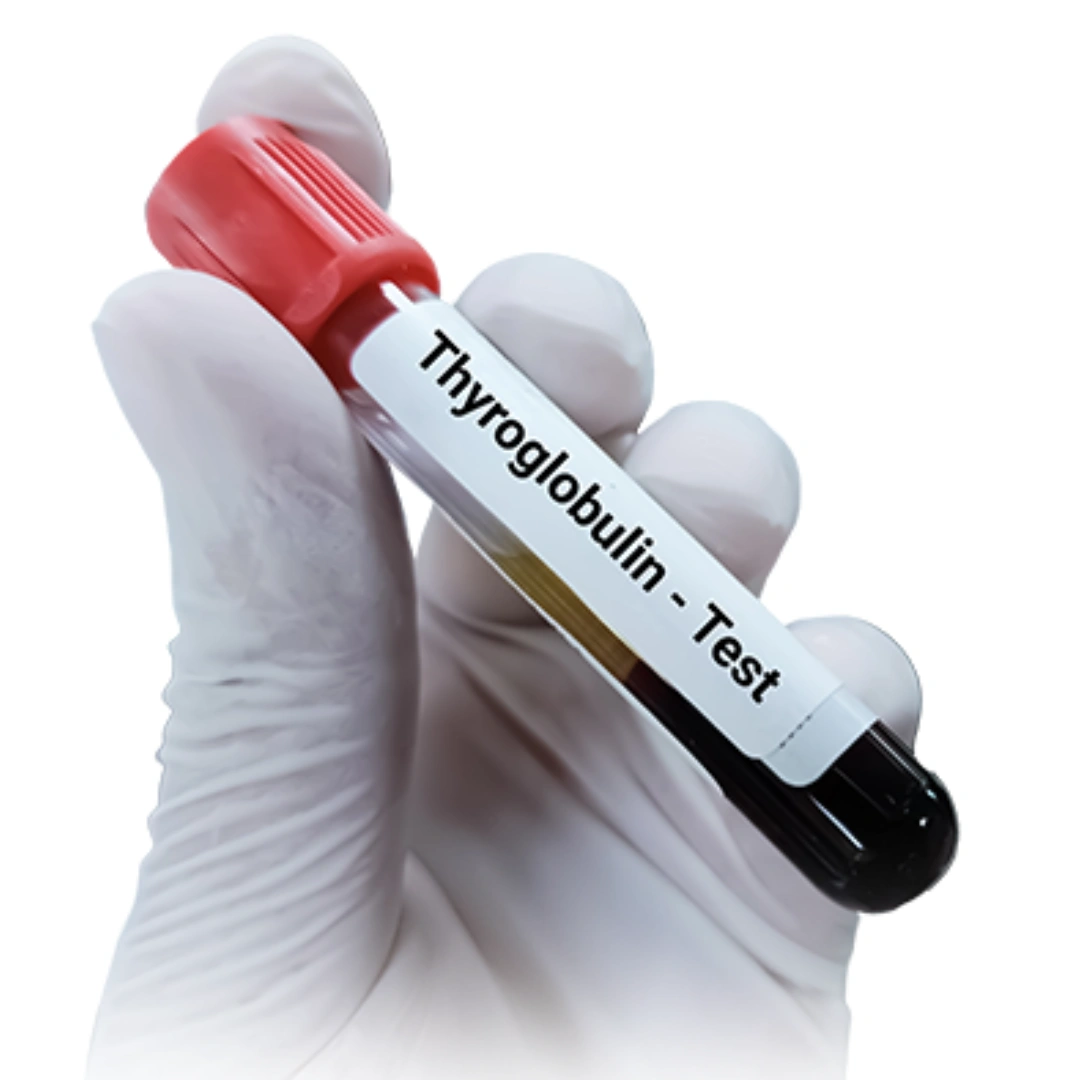
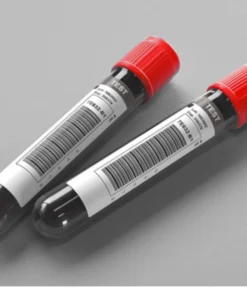
The test requires a standard blood sample. Risks are minimal and limited to slight pain, bruising, or lightheadedness at the puncture site, which typically resolve quickly.


Reviews
There are no reviews yet.