Microalbumin, Random Urine
What it is
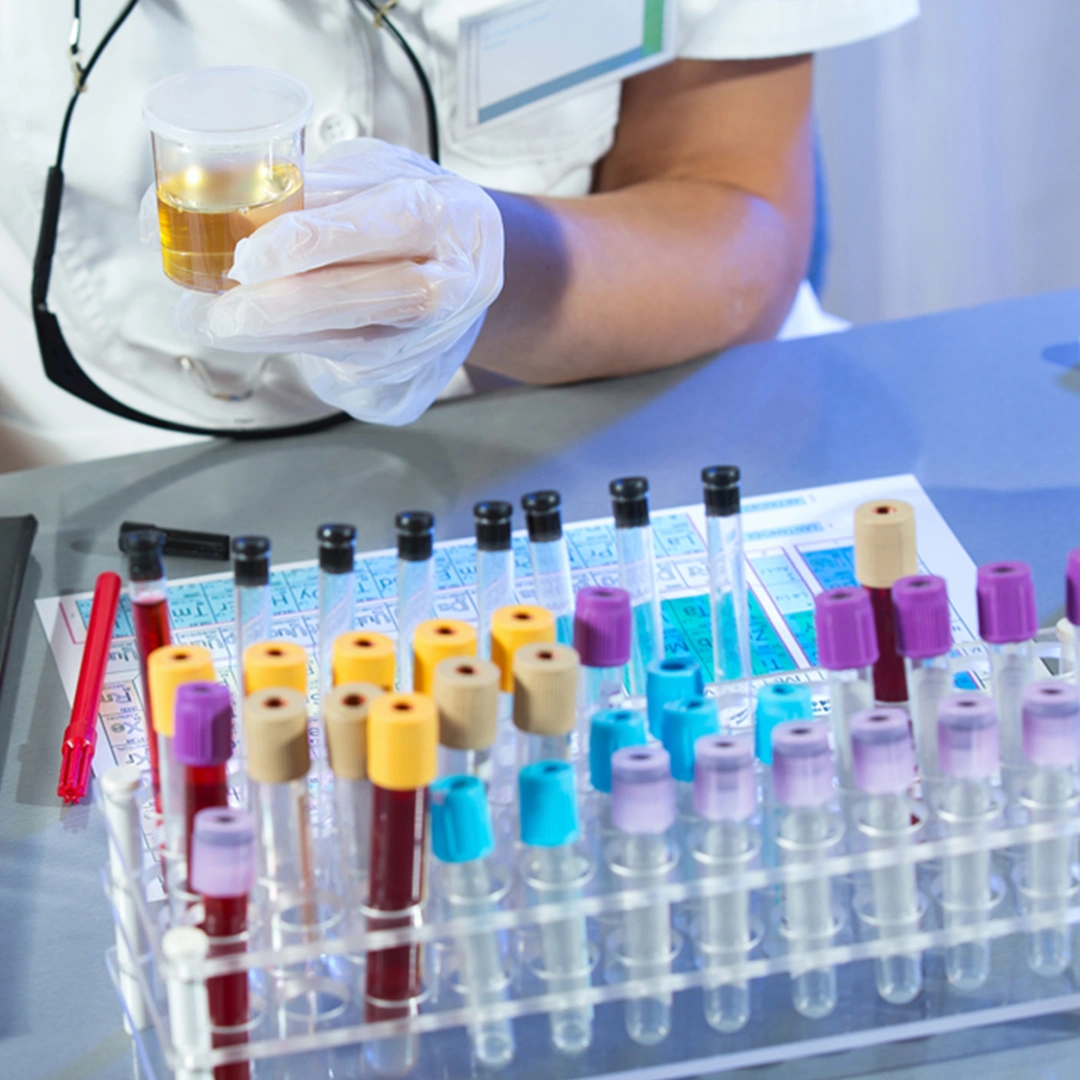
The Microalbumin, Random Urine test measures the amount of albumin (a protein) in a single urine sample collected at any time of the day. Normally, only very small amounts of albumin are found in urine. Higher-than-normal levels, called microalbuminuria, may be an early sign of kidney damage, particularly in people with diabetes or high blood pressure. This test is quicker and easier than a 24-hour urine collection, but may be less accurate for long-term assessment.
Uses
This test is mainly used to screen for early kidney disease in individuals at risk, such as those with diabetes, hypertension, or cardiovascular disease. It can also help monitor treatment effectiveness and track kidney health over time.
Symptoms That May Lead to the Test
Kidney disease often has no symptoms in its early stages. A doctor may order this test if you have diabetes, hypertension, swelling in your legs or ankles, foamy urine, fatigue, or a family history of kidney problems. It is also a routine part of annual checkups for diabetic patients.
Abnormal Results
Microalbuminuria (30–300 mg/L): Indicates early kidney damage, often still reversible with proper treatment and lifestyle modifications.
Macroalbuminuria (>300 mg/L): Suggests more advanced kidney damage with higher risk of chronic kidney disease progression.
Normal Results (<30 mg/L): Suggest healthy kidney function with no significant protein leakage.
Risks
The test is non-invasive and requires only a single urine sample. There are no direct risks, but results can be influenced by exercise, hydration level, infection, or recent illness. Abnormal results are often confirmed with repeat testing or a 24-hour urine collection.


Reviews
There are no reviews yet.