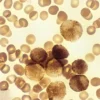
Microfilaria Antigen Detection, Whole Blood
What it is
The Microfilaria Antigen Detection test, performed on whole blood, is a diagnostic method used to identify circulating filarial antigens produced by adult worms such as Wuchereria bancrofti. Unlike a simple smear that looks for microfilariae (larval stages), this test detects antigens from adult parasites, providing evidence of active infection even if microfilariae are not present in the blood.
Uses
This test is used to diagnose active filarial infections, monitor treatment response, and support elimination programs in regions where lymphatic filariasis is endemic. It is especially useful in cases where microfilariae are difficult to detect, such as in occult filariasis or when parasites are present at low levels.
Symptoms That May Lead to the Test
A doctor may recommend this test if you experience recurrent fever, nighttime chills, swelling of lymph nodes, unexplained limb swelling, hydrocele (scrotal swelling in men), or other symptoms suggestive of lymphatic filariasis. It is also often performed in individuals living in or returning from endemic regions.
Abnormal Results
Positive Antigen Detection: Confirms the presence of circulating filarial antigens, indicating an active infection with filarial parasites.
Negative Antigen Detection: Suggests no detectable active infection. However, results must be interpreted in conjunction with clinical findings and, if needed, additional tests (such as antibody testing or smear microscopy).
Risks
This test requires a whole blood sample collected by venipuncture. Risks are minimal and may include mild pain, bruising, or dizziness at the blood draw site. These effects are short-lived and generally harmless.


Reviews
There are no reviews yet.