Myoglobin, Serum
What it is
The Myoglobin, Serum test measures the level of myoglobin, a protein found in heart and skeletal muscles, that is released into the bloodstream when muscle tissue is damaged. It is one of the earliest markers to rise in the blood after a heart attack or severe muscle injury. However, because myoglobin rises quickly but is not specific to the heart, it is often used in combination with other cardiac markers such as troponin.
Uses
This test is primarily used to help in the early detection of heart attack (myocardial infarction), monitor patients with chest pain, and detect muscle injury (rhabdomyolysis, trauma, or strenuous exercise). It can also help assess the severity of muscle damage in certain medical conditions or injuries.
Symptoms That May Lead to the Test
A doctor may order this test if you experience chest pain, shortness of breath, nausea, sweating, or other symptoms of a possible heart attack. It may also be ordered if you present with muscle weakness, pain, swelling, or suspected conditions like rhabdomyolysis, severe trauma, or burns.
Abnormal Results
Elevated Serum Myoglobin: May indicate muscle injury, heart attack, trauma, seizures, surgery, or intense exercise. It is an early but nonspecific marker for cardiac events.
Normal Serum Myoglobin: Suggests no significant muscle damage. However, normal results do not completely rule out a heart attack, especially if testing is done very early after symptom onset.
Risks
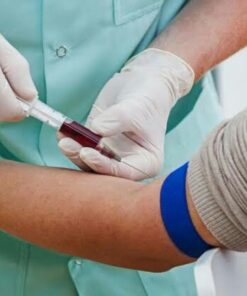
The test requires a standard blood draw. Risks are minimal and may include slight pain, bruising, or dizziness at the puncture site. These side effects are temporary and usually harmless.


Reviews
There are no reviews yet.