Nickel, Serum
What it is
The Nickel, Serum test measures the concentration of nickel in the blood. Nickel is a naturally occurring element widely used in alloys, batteries, coins, stainless steel, and industrial processes. While trace amounts may be harmless, elevated serum nickel levels may indicate excessive exposure from occupational, environmental, or accidental sources.
Uses
This test is used to evaluate recent or ongoing nickel exposure, confirm suspected nickel poisoning, and monitor individuals working in industries such as metal plating, welding, and battery production. It can also assist in investigating unexplained allergic reactions, dermatitis, or systemic toxicity linked to nickel exposure.
Symptoms That May Lead to the Test
A doctor may recommend this test if you have symptoms suggestive of nickel exposure or toxicity, including skin rashes, itching, swelling (nickel allergy), persistent cough, shortness of breath, abdominal pain, nausea, vomiting, fatigue, or kidney and liver problems. It may also be ordered as part of occupational health screening.
Abnormal Results
Elevated Serum Nickel: Suggests significant recent exposure or possible nickel poisoning. Chronic exposure may be associated with skin allergies, respiratory conditions, organ dysfunction, or increased cancer risk in industrial workers.
Normal Serum Nickel: Suggests no excessive exposure. However, results should be interpreted in context of occupational history, clinical symptoms, and, if needed, urine nickel levels for long-term exposure assessment.
Risks
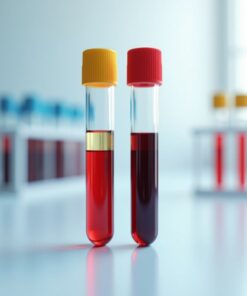
The test requires a blood sample drawn from a vein. Risks are minimal and may include slight bruising, pain, or dizziness at the puncture site. These effects are temporary and usually resolve quickly.


Reviews
There are no reviews yet.