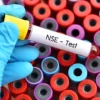
NSE (Neuron-Specific Enolase)
What it is
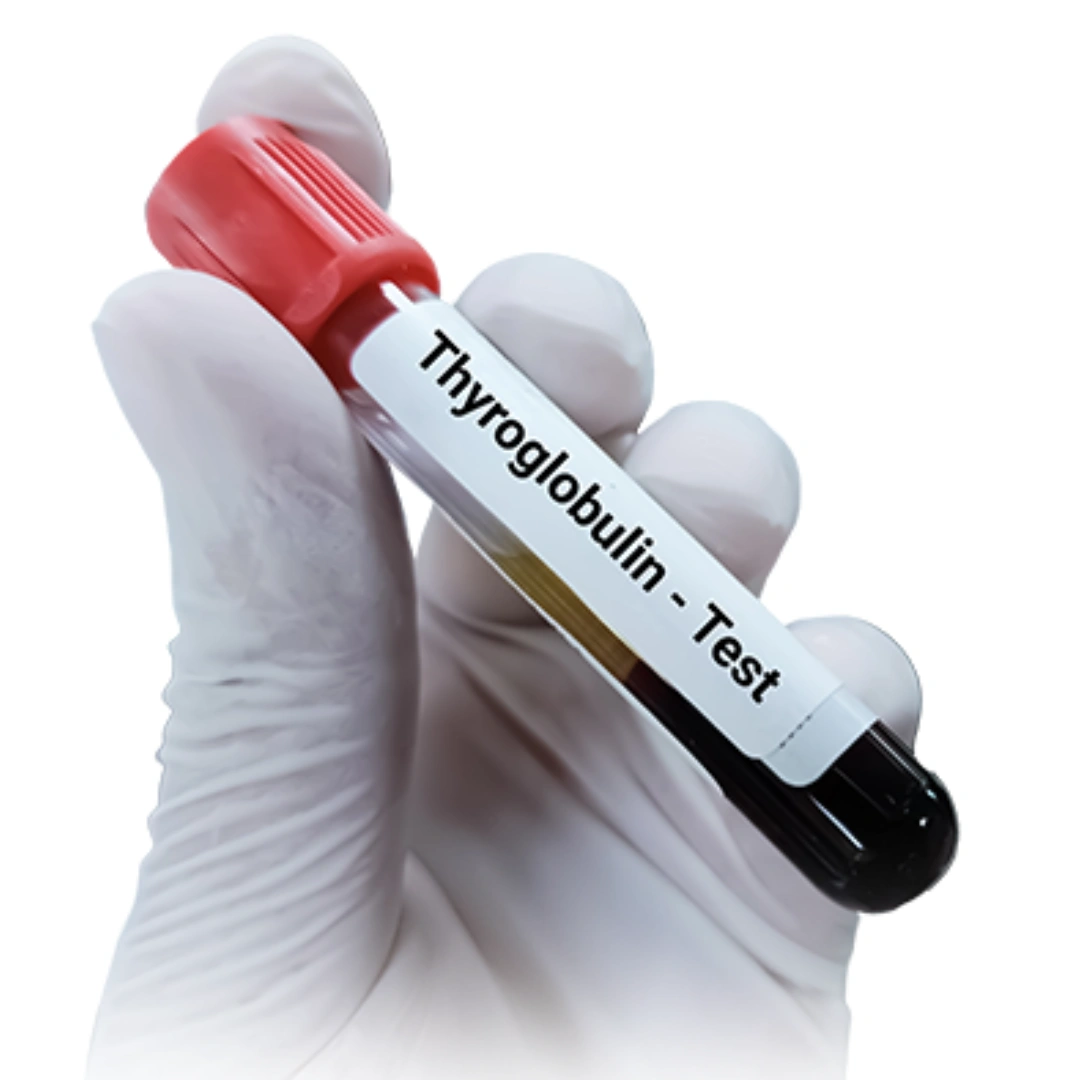
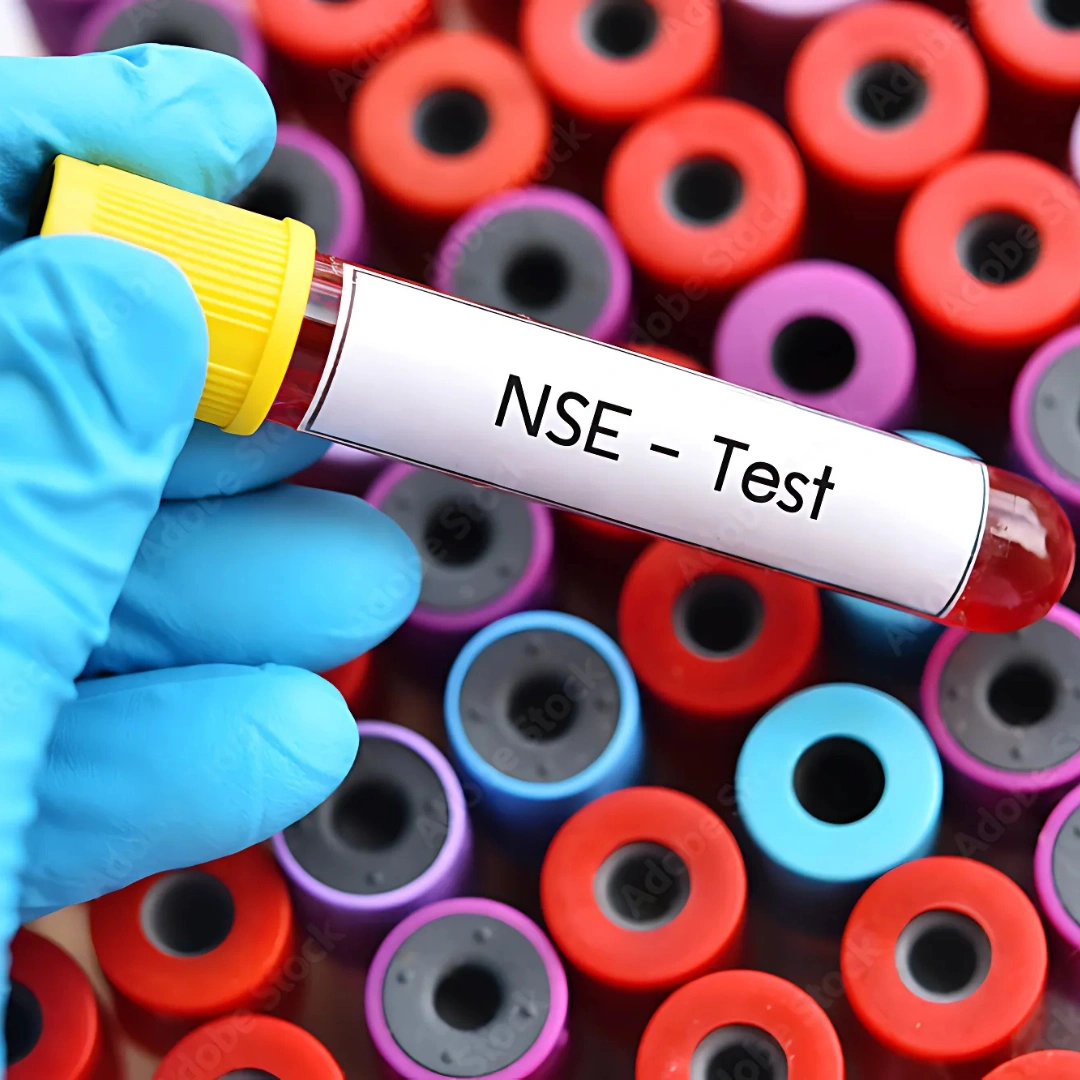
The NSE (Neuron-Specific Enolase) test measures the level of NSE, an enzyme found in nerve cells and neuroendocrine cells, in the blood. Elevated levels of NSE are often associated with certain cancers, particularly small cell lung carcinoma (SCLC) and neuroendocrine tumors. NSE can also rise in cases of neuronal damage such as head injury, stroke, or brain disorders, making it both a tumor marker and a marker of neuronal injury.
Uses
This test is used as a tumor marker to help in the diagnosis, monitoring, and follow-up of cancers like small cell lung carcinoma, neuroblastoma, and other neuroendocrine tumors. It is also sometimes used to evaluate the extent of brain injury after trauma, cardiac arrest, or neurological disease. NSE levels are often monitored over time to assess treatment response or detect recurrence.
Symptoms That May Lead to the Test
Doctors may recommend the NSE test if you present with symptoms suggestive of neuroendocrine cancers, such as unexplained weight loss, persistent cough, chest pain, fatigue, or neurological symptoms like headaches, seizures, or behavioral changes. It may also be ordered following head trauma or cardiac arrest to evaluate brain injury severity.
Abnormal Results
High NSE Levels: May indicate the presence of small cell lung cancer, neuroblastoma, or other neuroendocrine tumors. It can also reflect neuronal injury due to trauma, stroke, or hypoxic brain damage.
Mildly Elevated Levels: Can sometimes occur due to hemolysis (breakdown of red blood cells during blood draw) and may not always reflect disease.
Normal Levels: Suggest no significant tumor activity or neuronal injury, though results must be interpreted in the context of clinical findings and other diagnostic tests.
Risks
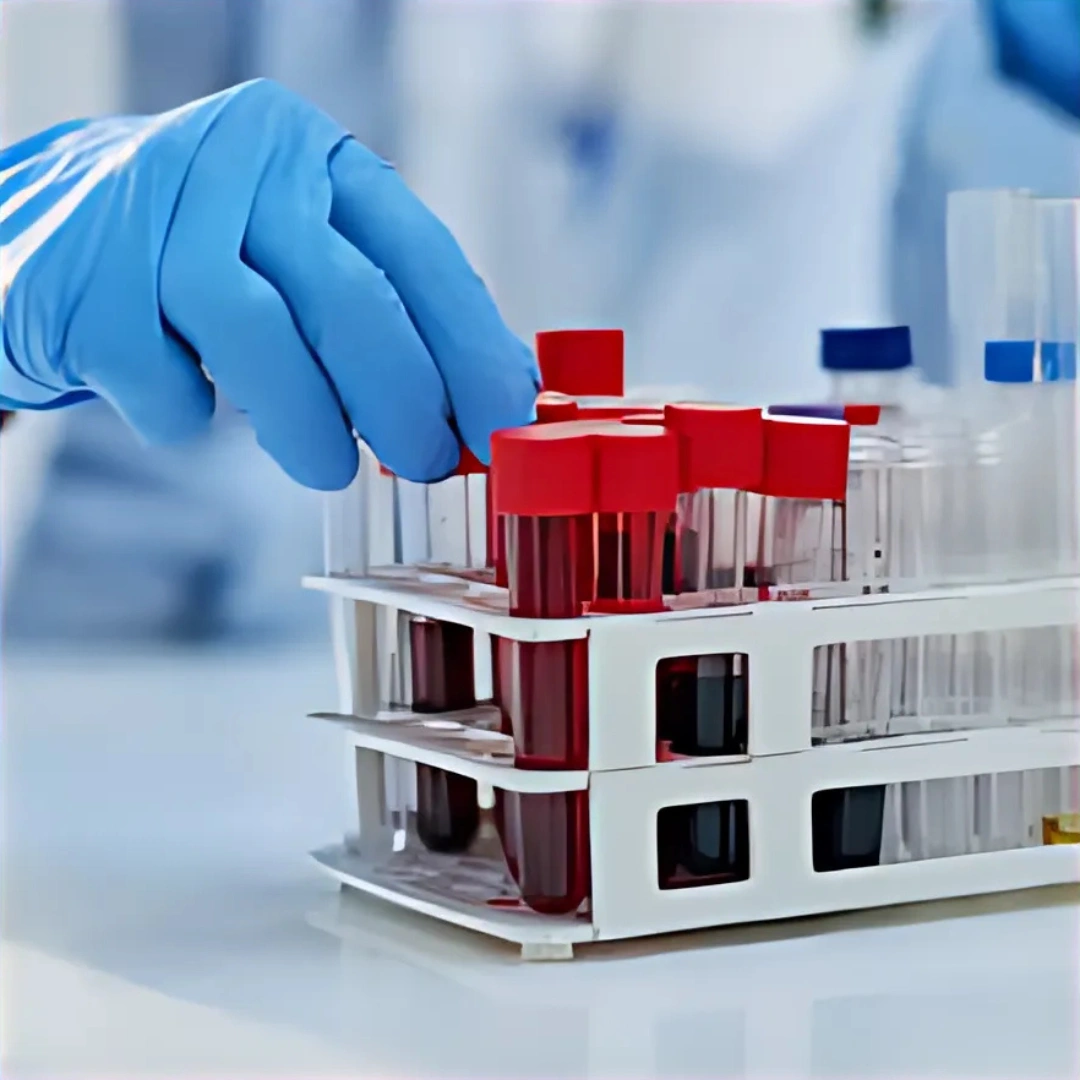
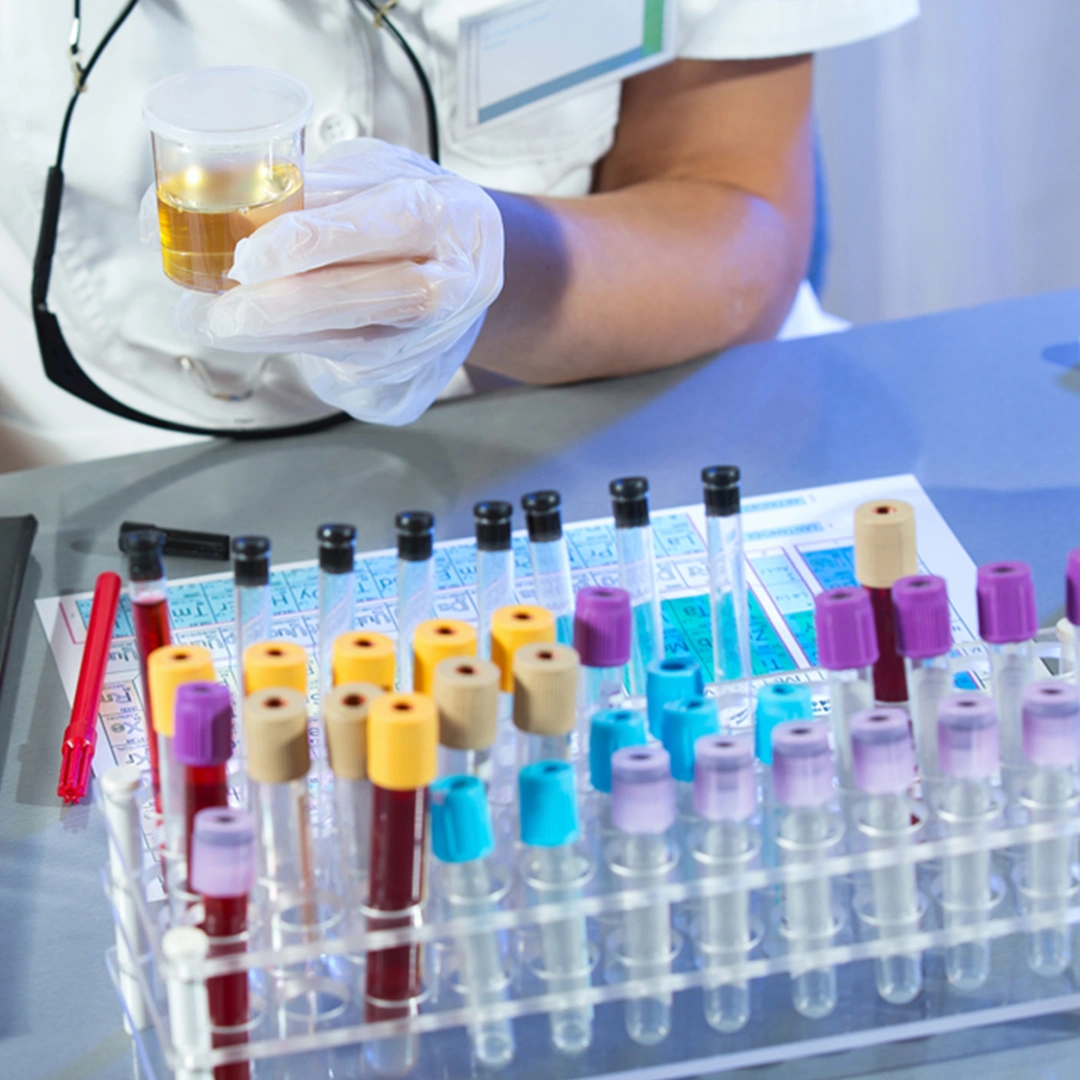
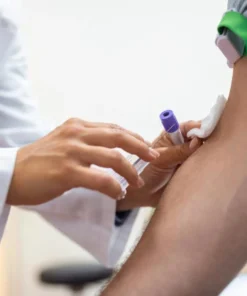
The test requires a simple blood sample. Risks are minimal and may include mild pain, bruising, or dizziness at the puncture site. Rarely, improper sample handling may affect accuracy.


Reviews
There are no reviews yet.