Obesity Panel
What it is
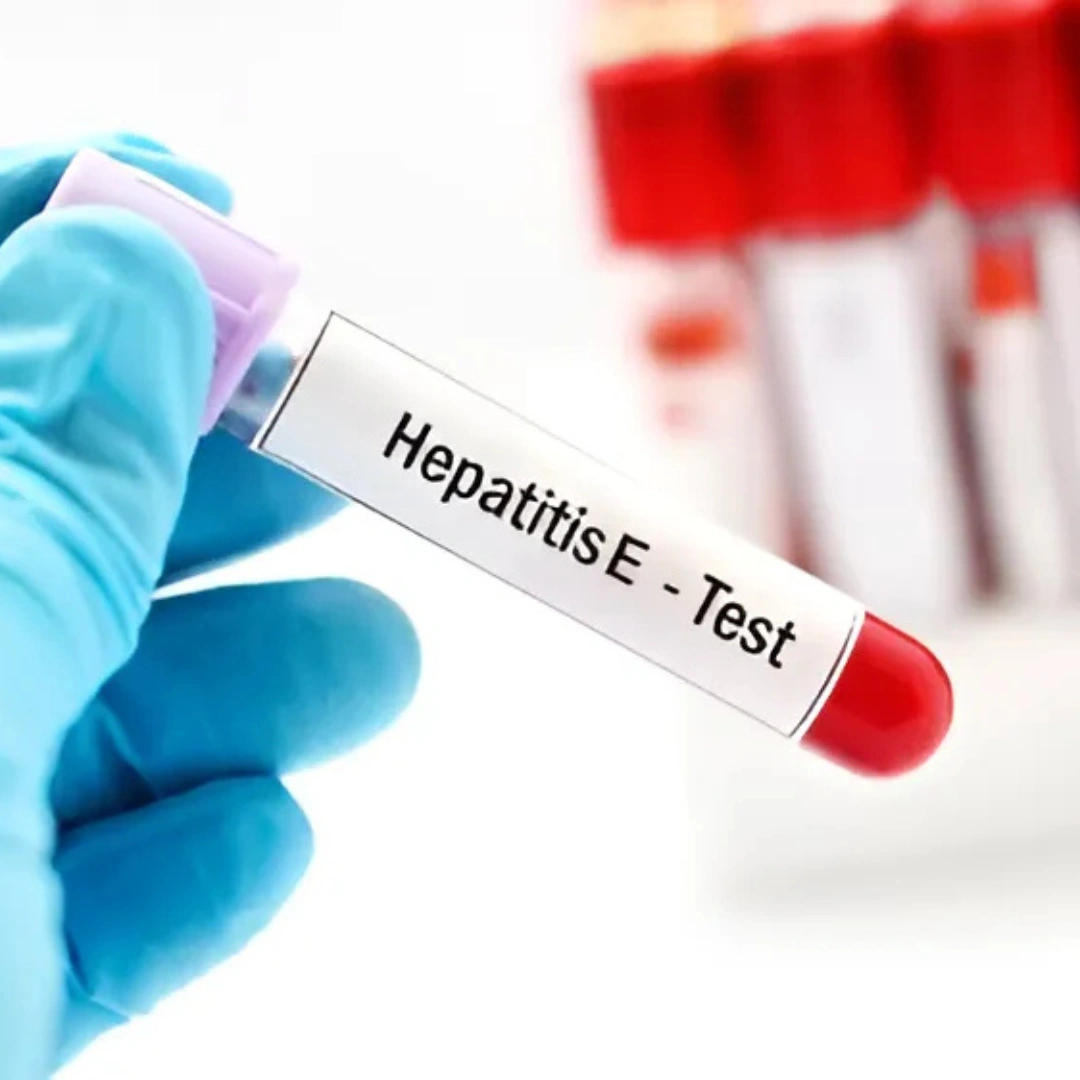
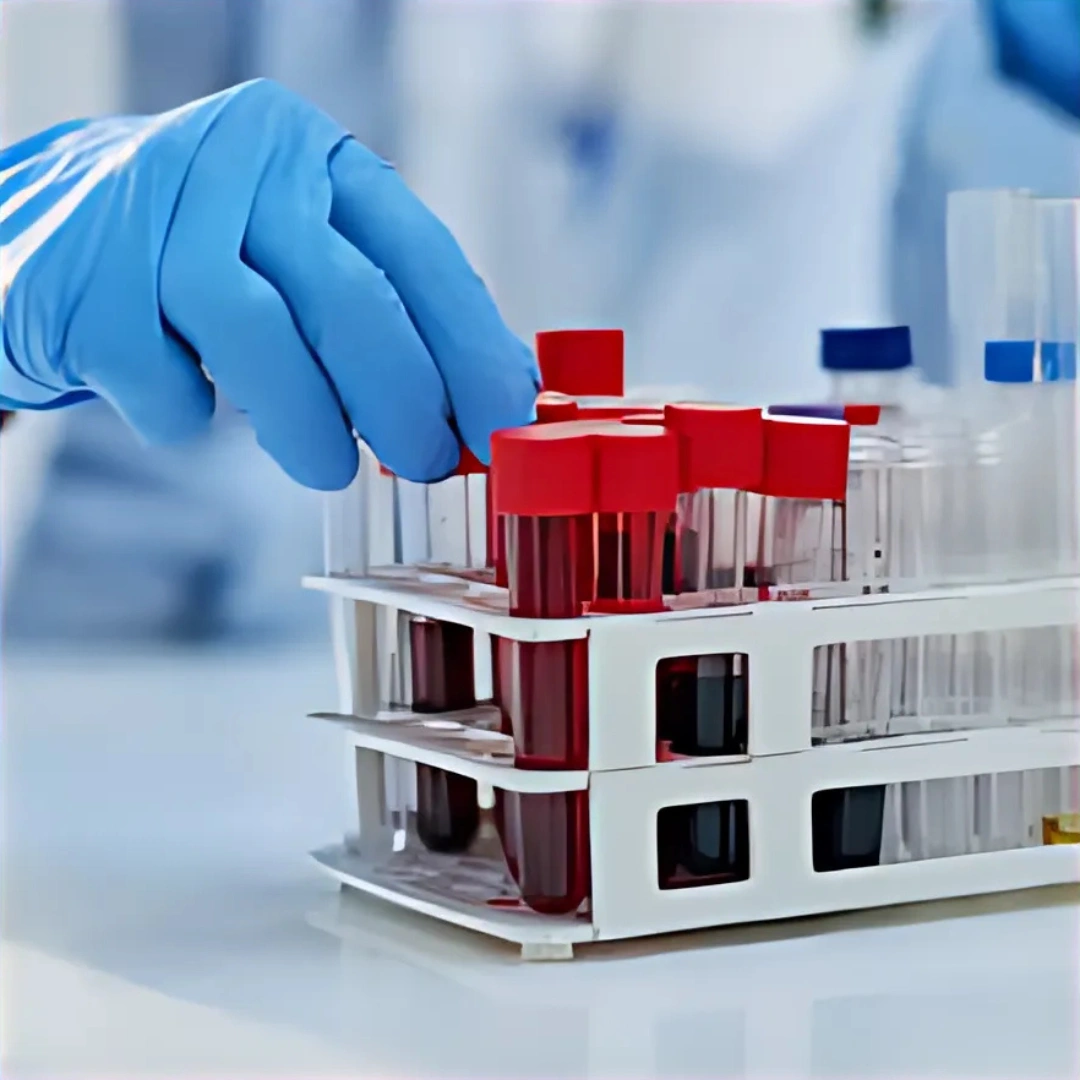
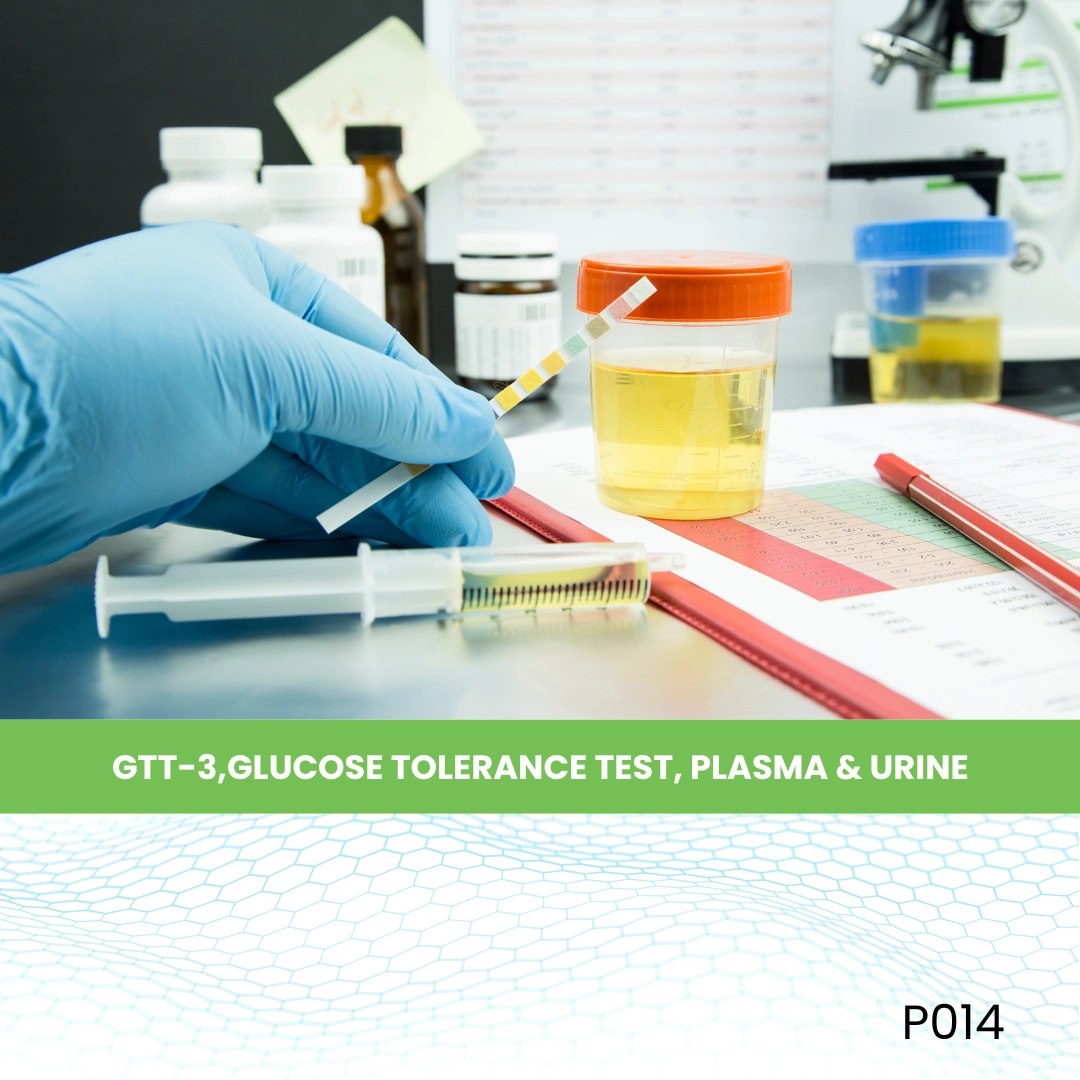
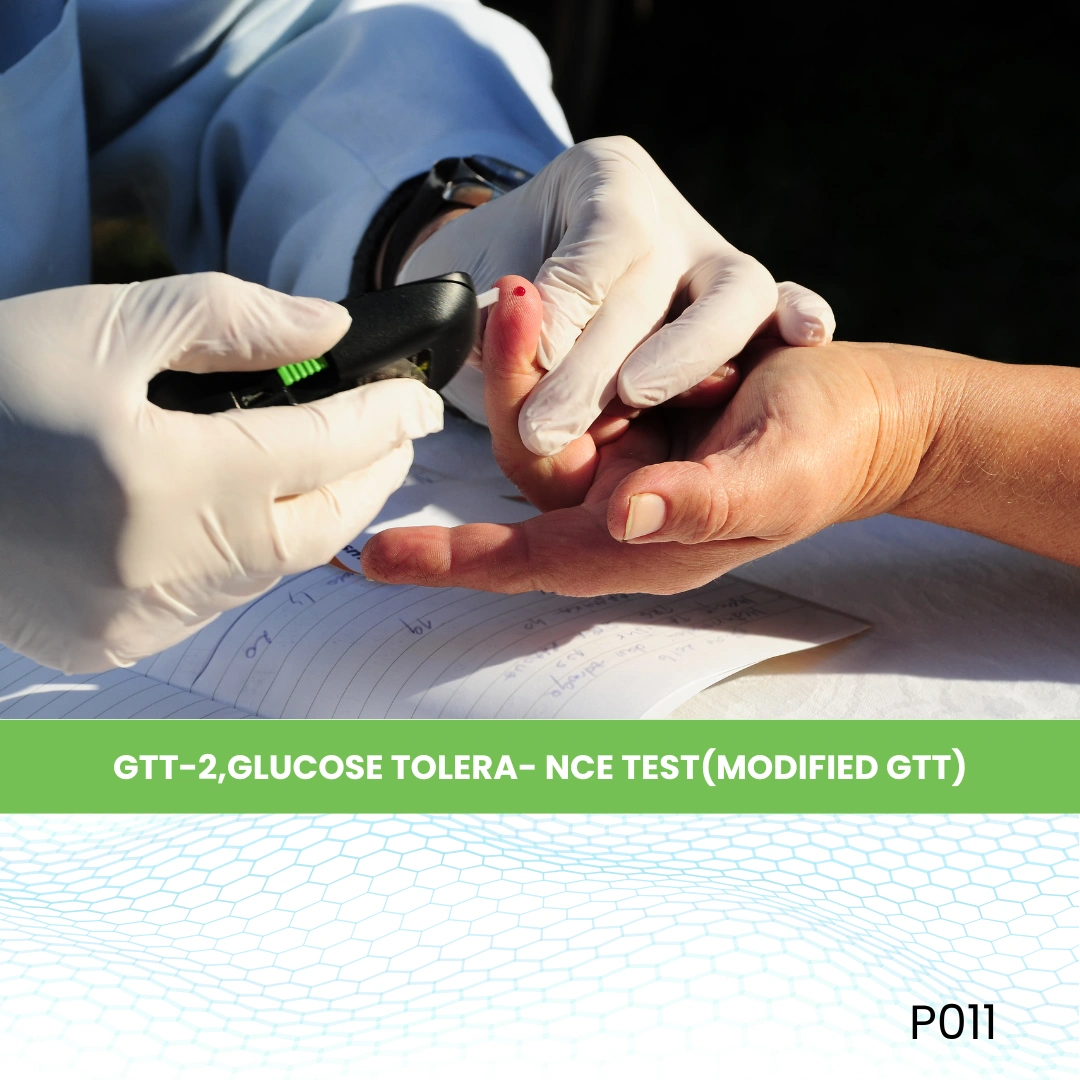
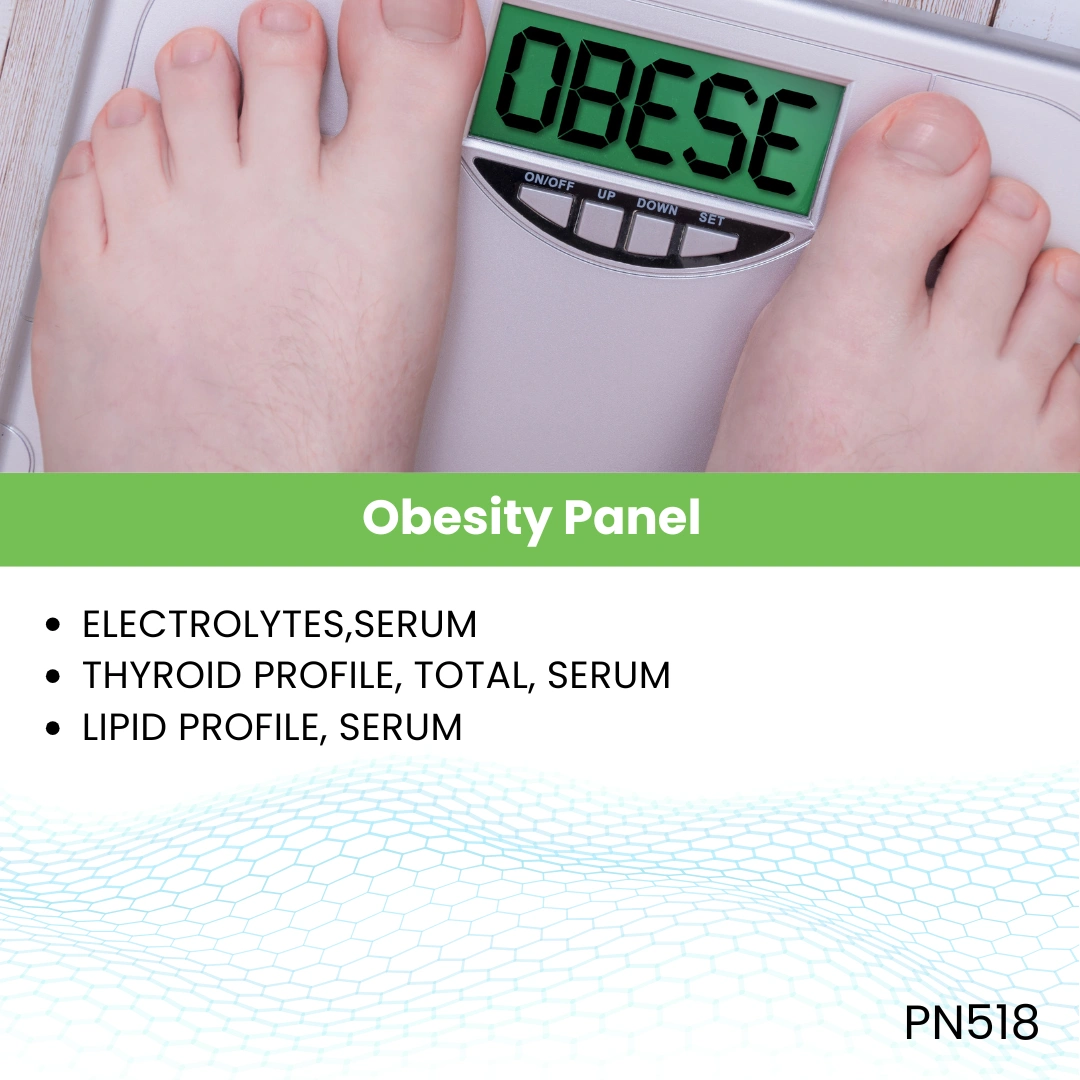
The Obesity Panel is a specialized group of blood tests designed to evaluate metabolic, hormonal, and nutritional factors contributing to weight gain and obesity. It typically includes assessments of blood sugar, insulin, lipid profile, thyroid function, liver and kidney function, and sometimes hormones like leptin, cortisol, and adiponectin. This panel helps doctors identify underlying health conditions linked to obesity and related complications.
Uses
This test panel is used to detect causes and complications of obesity such as insulin resistance, type 2 diabetes, thyroid disorders, dyslipidemia, fatty liver disease, and metabolic syndrome. It also helps guide personalized treatment strategies, including dietary adjustments, exercise planning, and medical therapy.
Symptoms That May Lead to the Test
Doctors may recommend the Obesity Panel if you experience unexplained weight gain, difficulty losing weight, persistent fatigue, excessive hunger, irregular menstrual cycles, high blood pressure, elevated blood sugar, or family history of obesity, diabetes, or cardiovascular disease.
Abnormal Results
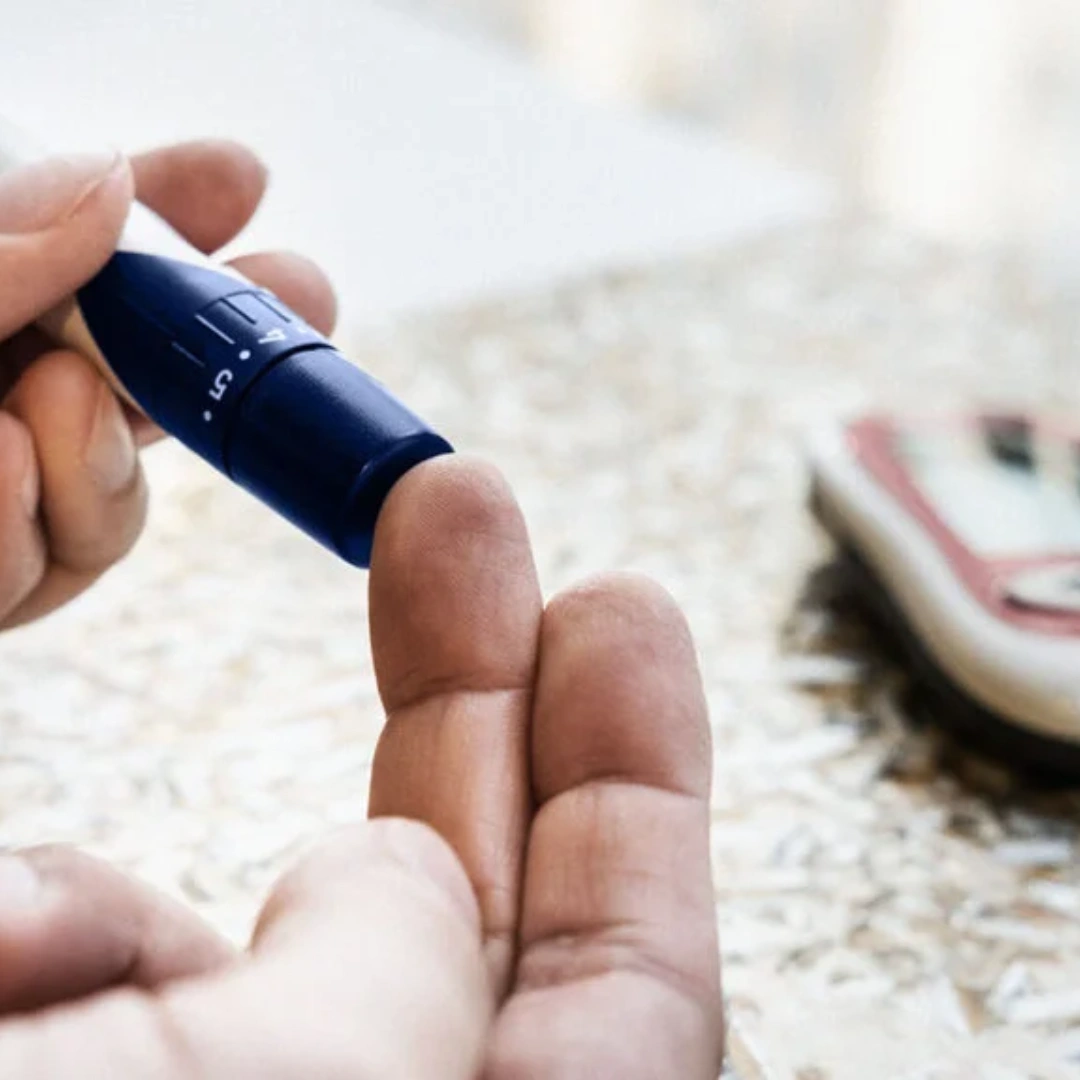
High Blood Sugar/Insulin: Suggests insulin resistance or diabetes.
Abnormal Lipid Profile: Indicates high cholesterol or triglycerides, raising cardiovascular risk.
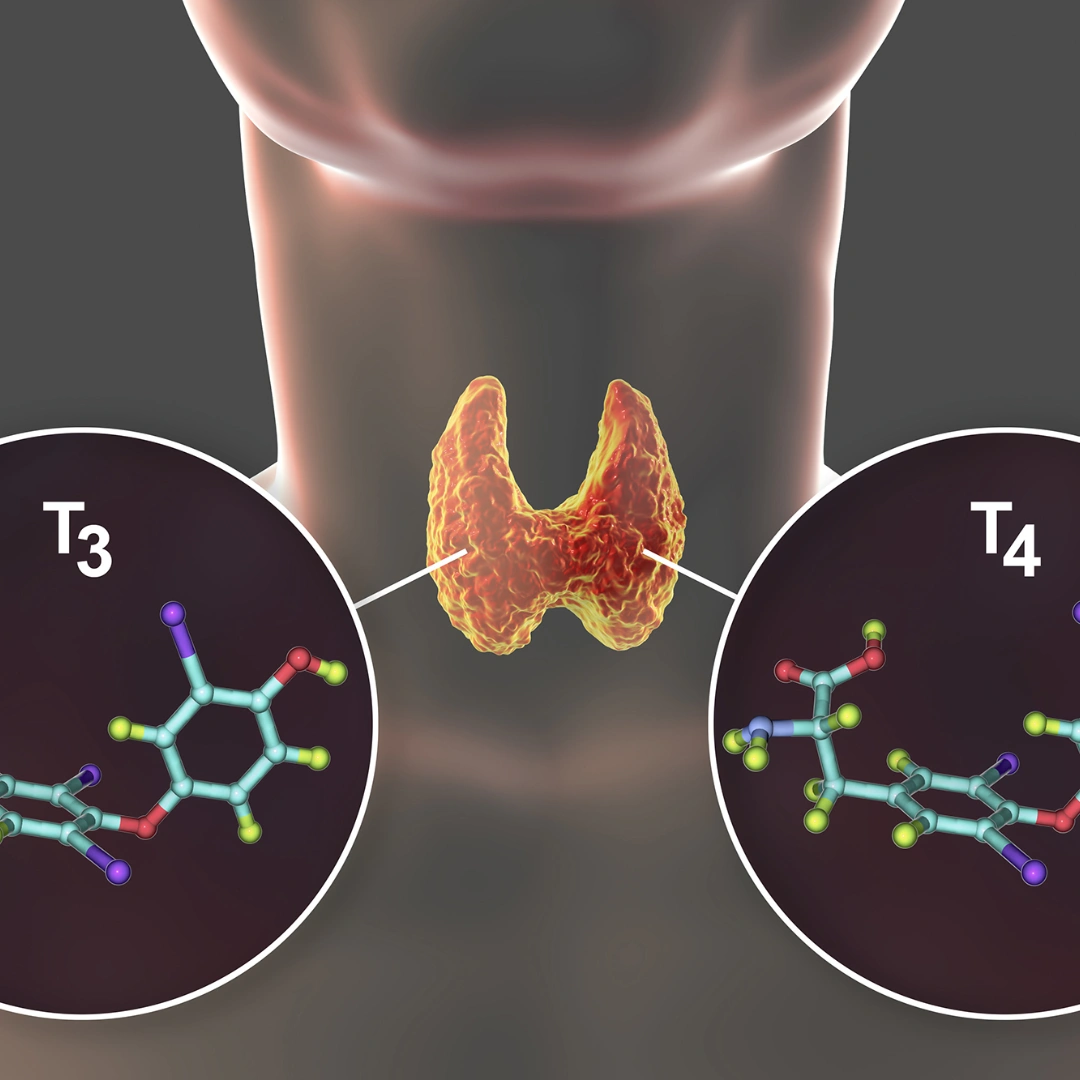
Abnormal Thyroid Levels: May point to hypothyroidism contributing to weight gain.
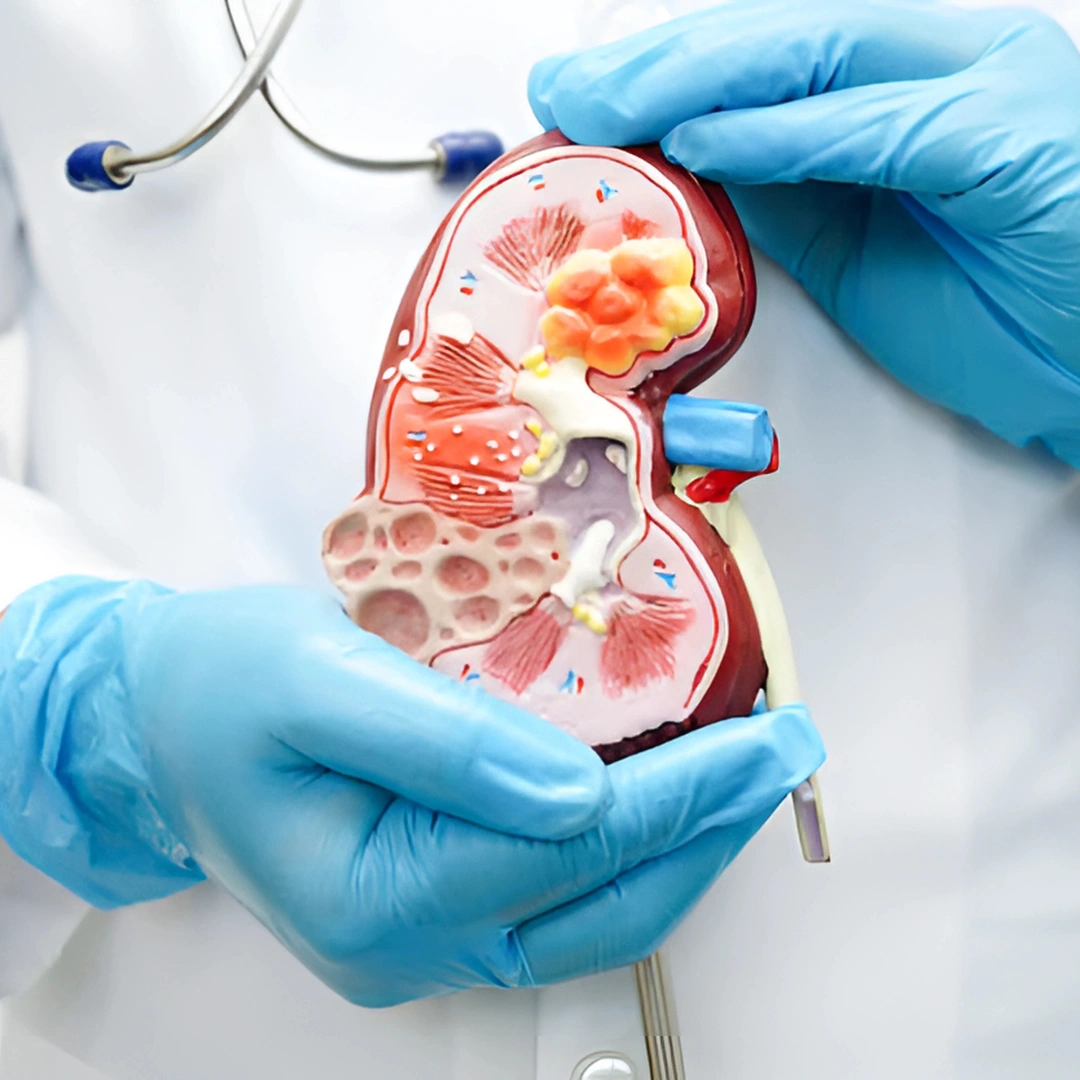
High Liver Enzymes: Suggest fatty liver or obesity-related liver disease.
Hormonal Imbalances: Changes in leptin, cortisol, or other hormones may indicate metabolic dysfunction.
Results are best interpreted in conjunction with clinical evaluation and lifestyle history.
Risks
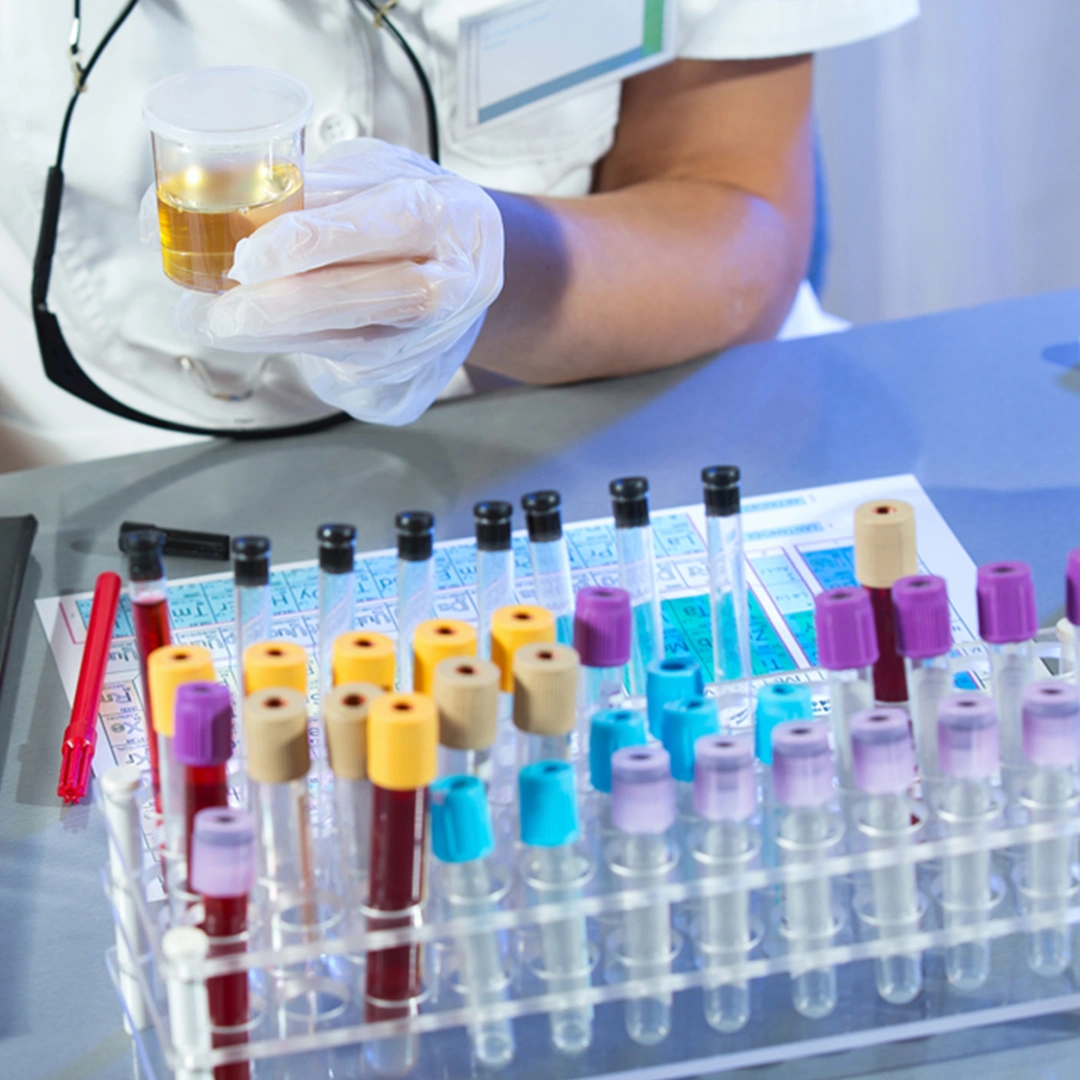
The panel requires a blood sample and sometimes a urine sample. Risks are minimal and limited to mild pain, bruising, or dizziness at the puncture site. Urine collection carries no direct risks. Serious complications are extremely rare.


Reviews
There are no reviews yet.