Obstetrical Glucose Tolerance Test (4 Samples)
What it is
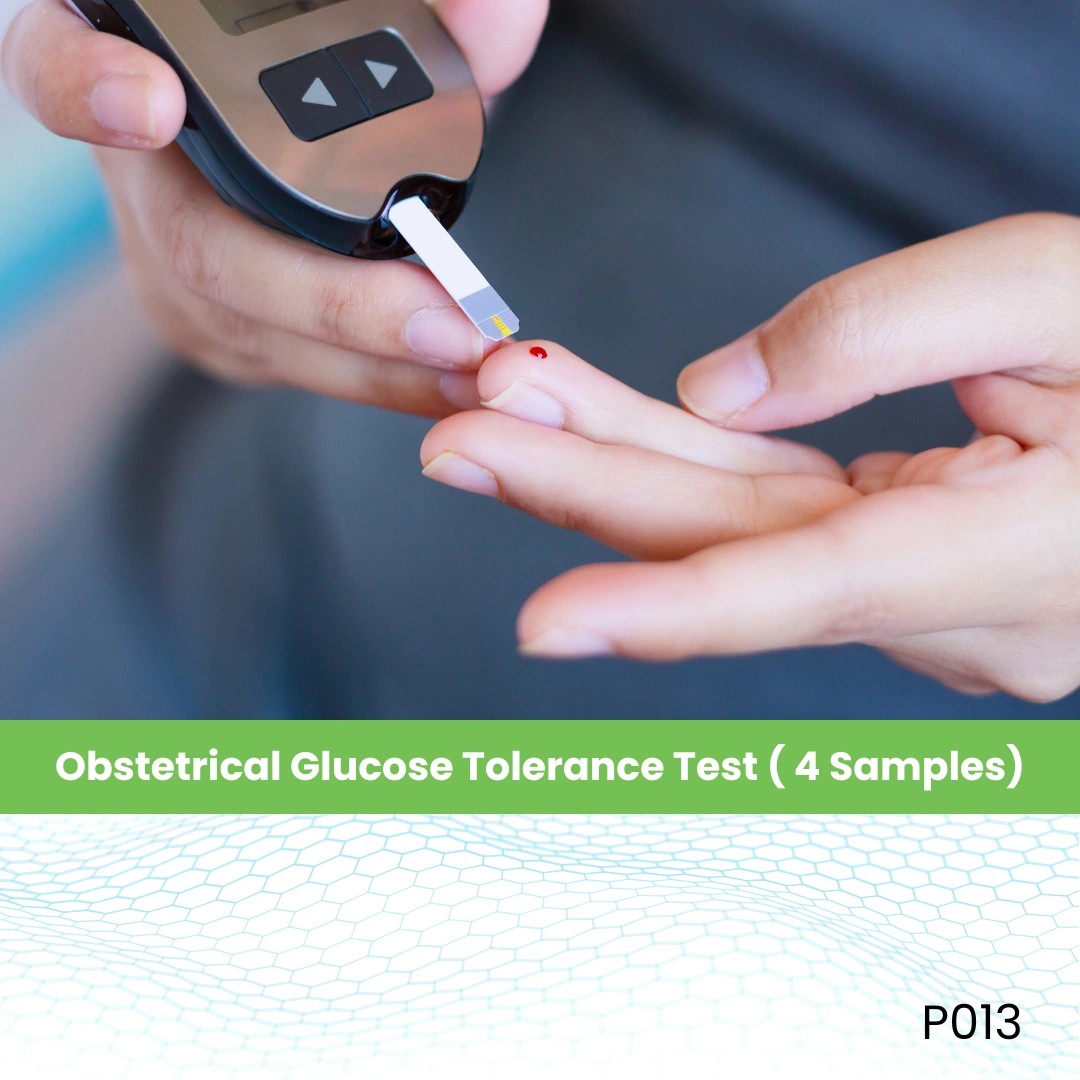
The Obstetrical Glucose Tolerance Test (4 Samples) is a diagnostic test performed during pregnancy to evaluate how the body processes glucose. It involves taking four blood samples over a few hours after administering a glucose solution. This test helps detect gestational diabetes, a condition in which blood sugar levels rise during pregnancy, posing risks to both mother and baby.
Uses
This test is used to screen for and diagnose gestational diabetes mellitus (GDM). It helps identify pregnant women at risk of complications such as high birth weight, preterm delivery, preeclampsia, and future type 2 diabetes. Early detection allows for proper dietary, lifestyle, and medical management to ensure a healthy pregnancy outcome.
Symptoms That May Lead to the Test
Although the test is usually performed as part of routine pregnancy screening (typically between 24–28 weeks), it may be especially recommended if you have risk factors such as obesity, a family history of diabetes, previous gestational diabetes, history of miscarriage or stillbirth, or delivering a baby weighing more than 4 kg in a prior pregnancy.
Abnormal Results
High Blood Sugar Levels at Multiple Intervals: Suggest gestational diabetes. Diagnosis usually requires two or more abnormal results out of the four collected samples.
Normal Results: Indicate that glucose metabolism is functioning properly during pregnancy and gestational diabetes is unlikely.
Interpretation should be done by a doctor, as cut-off values may vary depending on clinical guidelines.
Risks
The test involves drinking a glucose solution, which may cause temporary nausea, bloating, or dizziness in some women. The blood draws carry minimal risks such as mild pain, bruising, or dizziness at the puncture site. There are no long-term risks for mother or baby.


Reviews
There are no reviews yet.