Ovarian Dysfunction Panel
What it is
The Ovarian Dysfunction Panel is a group of blood tests designed to assess ovarian health, hormonal balance, and reproductive function in women. It usually measures key hormones such as follicle-stimulating hormone (FSH), luteinizing hormone (LH), estradiol, prolactin, anti-Müllerian hormone (AMH), and thyroid hormones. These markers provide valuable insights into ovarian reserve, ovulation, menstrual irregularities, and causes of infertility or premature ovarian failure.
Uses
This panel is used to detect and evaluate conditions affecting ovarian function, including polycystic ovary syndrome (PCOS), premature ovarian insufficiency, hormonal imbalances, and early menopause. It is also recommended for women undergoing fertility assessments, planning pregnancy, or considering assisted reproductive treatments like IVF.
Symptoms That May Lead to the Test
Doctors may recommend the Ovarian Dysfunction Panel if you experience irregular or missed periods, difficulty conceiving, hot flashes, night sweats, unexplained weight changes, acne, excessive hair growth, mood changes, or early menopausal symptoms. Women with a family history of ovarian disorders may also benefit from this test.
Abnormal Results
High FSH / Low AMH: Suggests reduced ovarian reserve or early ovarian failure.
Abnormal LH:FSH Ratio: Often seen in polycystic ovary syndrome (PCOS).
Low Estradiol: May indicate diminished ovarian function or menopause.
High Prolactin: Can disrupt ovulation and menstrual cycles.
Abnormal Thyroid Hormones: May contribute to irregular cycles and fertility issues.
Results must be interpreted by a doctor in combination with medical history and imaging studies such as pelvic ultrasound.
Risks
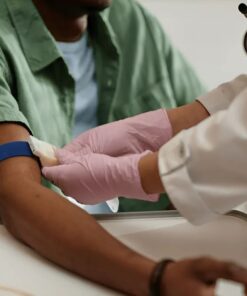
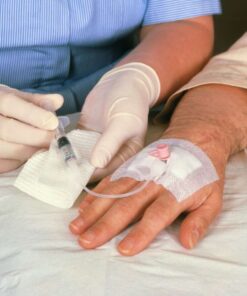
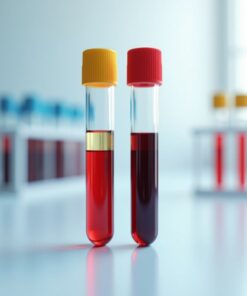
The test requires a standard blood draw. Risks are minimal and may include mild pain, bruising, or dizziness at the puncture site. Serious complications are extremely rare.


Reviews
There are no reviews yet.