Pap Test (LBC & High-Risk HPV DNA)
What it is
The Pap Test (LBC & High-Risk HPV DNA) is a dual screening procedure that combines liquid-based cytology (LBC) with high-risk human papillomavirus (HPV) DNA testing. The Pap test examines cervical cells for abnormal or precancerous changes, while the HPV DNA test detects high-risk HPV strains (such as HPV 16 and 18) that are strongly linked to cervical cancer. Together, they provide a more accurate method of cervical cancer screening compared to Pap testing alone.
Uses
This test is primarily used for early detection of cervical cancer and precancerous conditions. It helps identify women at risk of developing cervical cancer, monitors abnormal Pap smear findings, and determines the need for further diagnostic procedures like colposcopy. The combined approach increases sensitivity in detecting high-grade cervical lesions.
Symptoms That May Lead to the Test
The test is recommended as part of routine cervical cancer screening, even in the absence of symptoms. However, doctors may also recommend it if you have warning signs such as abnormal vaginal bleeding, unusual discharge, pelvic pain, or history of persistent HPV infection. Women between ages 21–65 are generally advised to undergo regular Pap/HPV co-testing.
Abnormal Results
Abnormal Pap Smear (LBC): May indicate atypical cells, precancerous lesions, or in some cases, cervical cancer. Follow-up with colposcopy or biopsy may be required.
Positive High-Risk HPV DNA: Suggests infection with a cancer-associated HPV strain. While not all infections progress to cancer, persistent infection increases risk and requires closer monitoring.
Normal Pap + Negative HPV DNA: Suggests low risk of cervical cancer, and routine screening intervals may be extended based on guidelines.
Risks
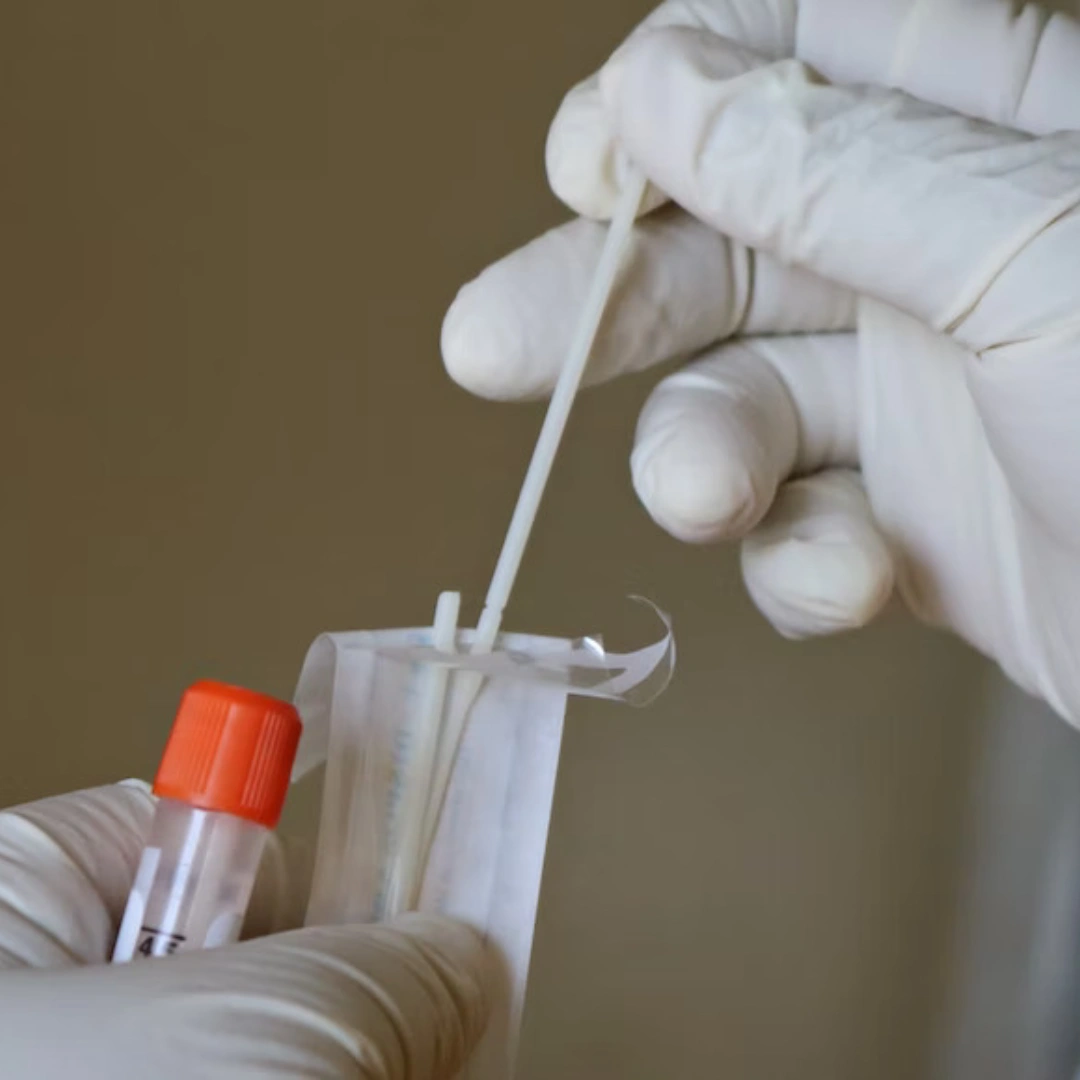
The procedure is safe and minimally invasive. Some women may experience mild discomfort, spotting, or cramping during sample collection. There are no long-term risks associated with the test.


Reviews
There are no reviews yet.