Parvovirus B19 IgG
What it is
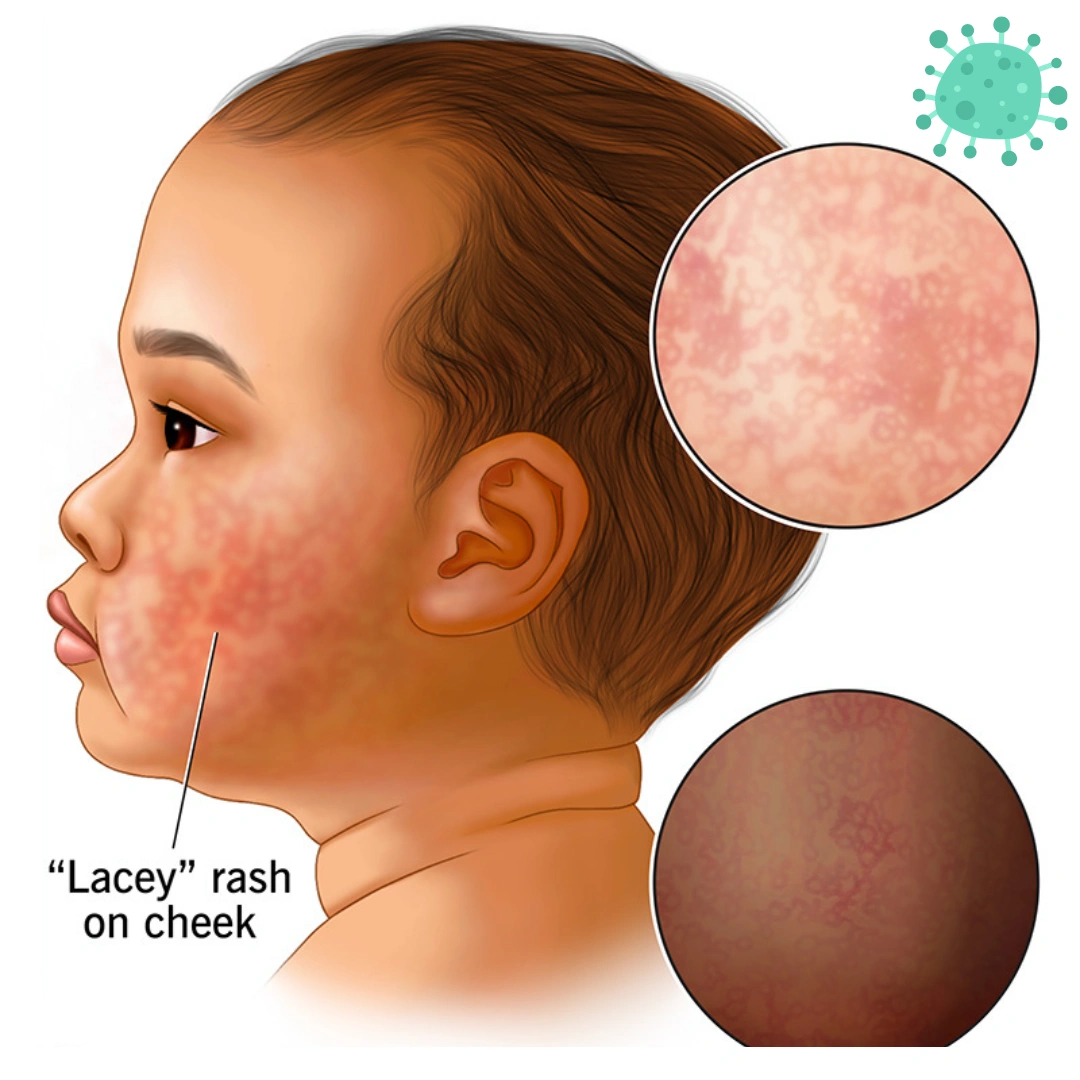
The Parvovirus B19 IgG test measures IgG antibodies in the blood that develop after infection with Parvovirus B19. This virus is the cause of erythema infectiosum, commonly known as “fifth disease,” which is typically a mild rash illness in children but can have serious effects in adults, pregnant women, and immunocompromised individuals. The presence of IgG indicates past exposure or immunity to the virus.
Uses
This test is used to determine whether a person has been previously infected with Parvovirus B19 and has developed immunity. It is especially important for pregnant women to assess risk to the fetus, for immunocompromised patients at risk of severe complications, and in individuals with unexplained anemia. It is often ordered alongside the Parvovirus B19 IgM test to distinguish between recent and past infection.
Symptoms That May Lead to the Test
Doctors may recommend this test if you experience symptoms such as rash, joint pain, fatigue, or flu-like illness. In pregnant women, the test may be ordered if there is concern about fetal hydrops or miscarriage. Patients with weakened immune systems or unexplained anemia may also undergo this test.
Abnormal Results
Positive IgG Result: Indicates past infection and immunity to Parvovirus B19. This generally means no active infection is present, and the risk of reinfection is low.
Negative IgG Result: Suggests no prior exposure or immunity, meaning the individual is still susceptible to infection.
When combined with IgM testing:
– IgM positive + IgG negative = recent infection
– IgM negative + IgG positive = past infection/immunity
– Both negative = no prior exposure
Risks
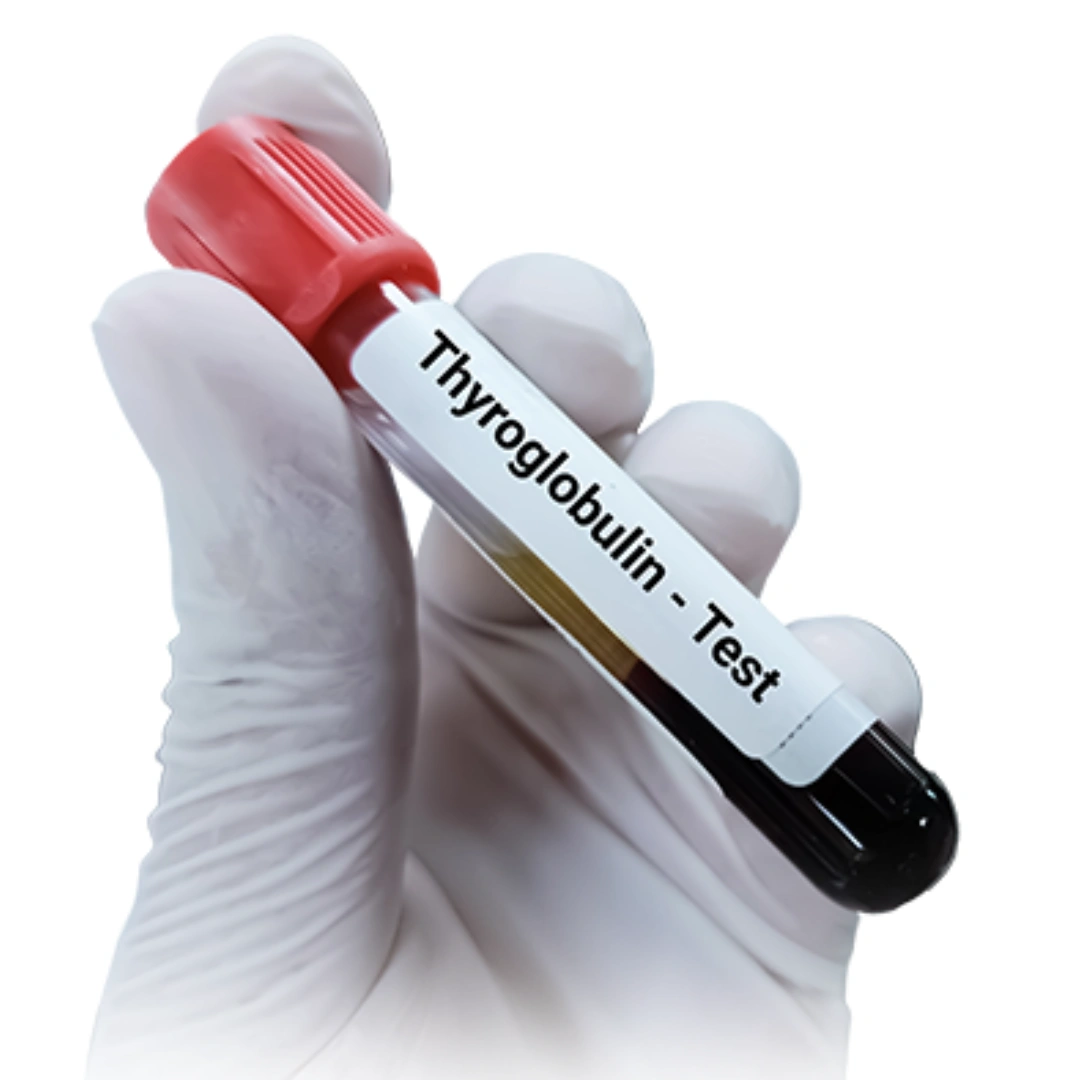
The test requires a simple blood sample. Risks are minimal, including mild pain, bruising, or dizziness at the puncture site. Serious complications are extremely rare.


Reviews
There are no reviews yet.