Peripheral Blood (Individual Karyotyping)
What it is
The Peripheral Blood Individual Karyotyping test is a genetic analysis that examines the number and structure of chromosomes in a person’s blood cells. A karyotype provides a visual profile of an individual’s chromosomes to detect abnormalities such as missing, extra, or structurally altered chromosomes. It is widely used in diagnosing genetic disorders, infertility, recurrent miscarriages, and certain blood cancers.
Uses
This test is used to detect chromosomal abnormalities like Down syndrome (trisomy 21), Turner syndrome, Klinefelter syndrome, and other aneuploidies. It also helps investigate unexplained infertility, recurrent pregnancy loss, developmental delays, congenital anomalies, and hematological malignancies such as leukemia or lymphoma. In oncology, karyotyping can guide treatment decisions by identifying specific chromosomal changes.
Symptoms That May Lead to the Test
Doctors may recommend this test if you have:
– Unexplained infertility or repeated miscarriages.
– A child or family history of congenital or chromosomal disorders.
– Developmental delays, learning difficulties, or physical anomalies.
– Symptoms suggesting genetic syndromes (short stature, abnormal puberty, or facial dysmorphism).
– Blood disorders or suspected leukemia/lymphoma.
Abnormal Results
Numerical Abnormalities: Such as trisomy (extra chromosome) or monosomy (missing chromosome) can cause developmental or reproductive problems.
Structural Abnormalities: Such as translocations, deletions, duplications, or inversions may be associated with genetic syndromes, infertility, miscarriages, or cancers.
Normal Karyotype: Indicates the correct number and structure of chromosomes, though smaller genetic defects (at DNA level) may require advanced tests like microarray or next-generation sequencing (NGS).
Risks
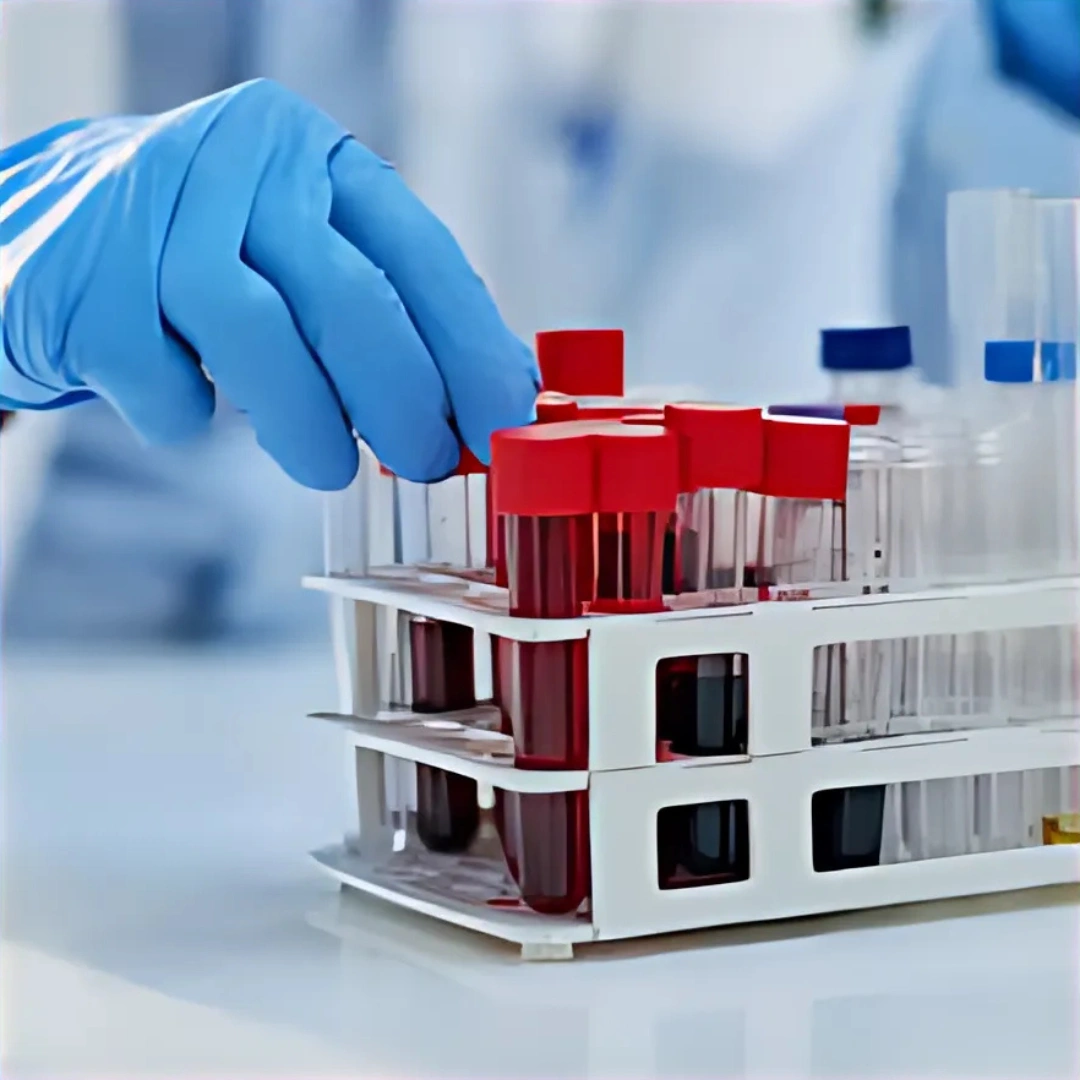
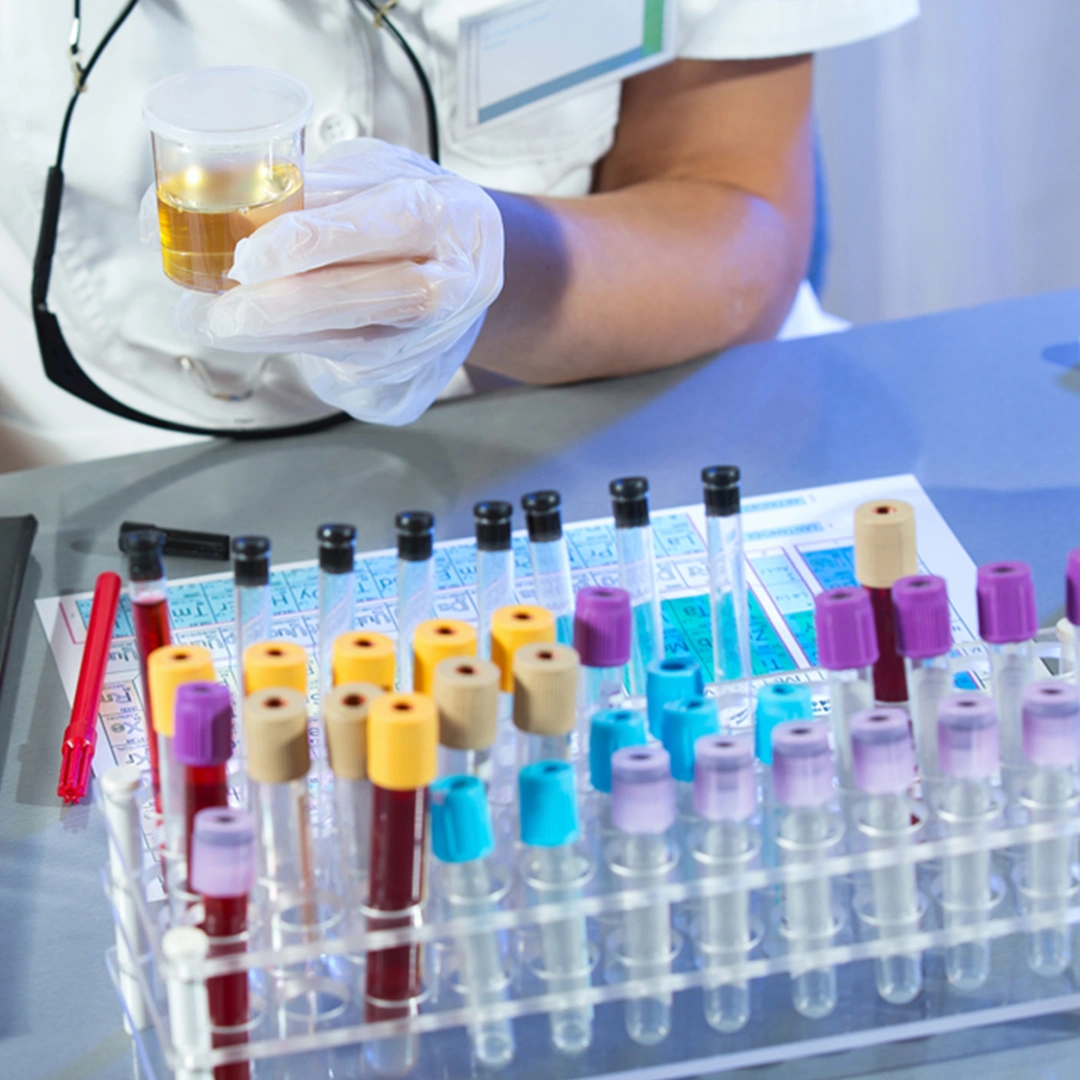
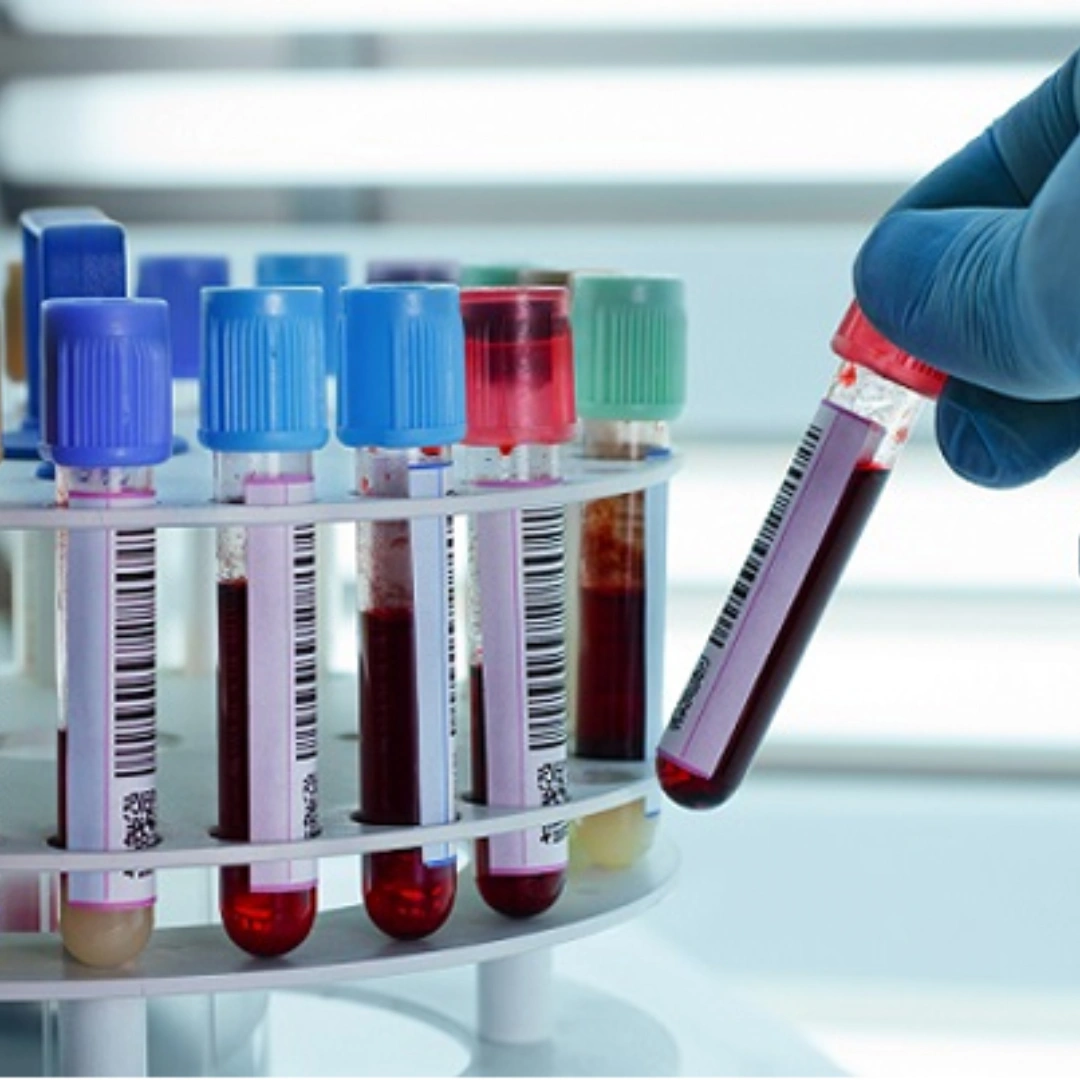
The test requires a routine blood draw. Risks are minimal and limited to mild pain, bruising, or dizziness at the puncture site. The laboratory analysis itself carries no risk since it is performed on cultured blood cells.


Reviews
There are no reviews yet.