Phencyclidine (PCP), Urine
What it is
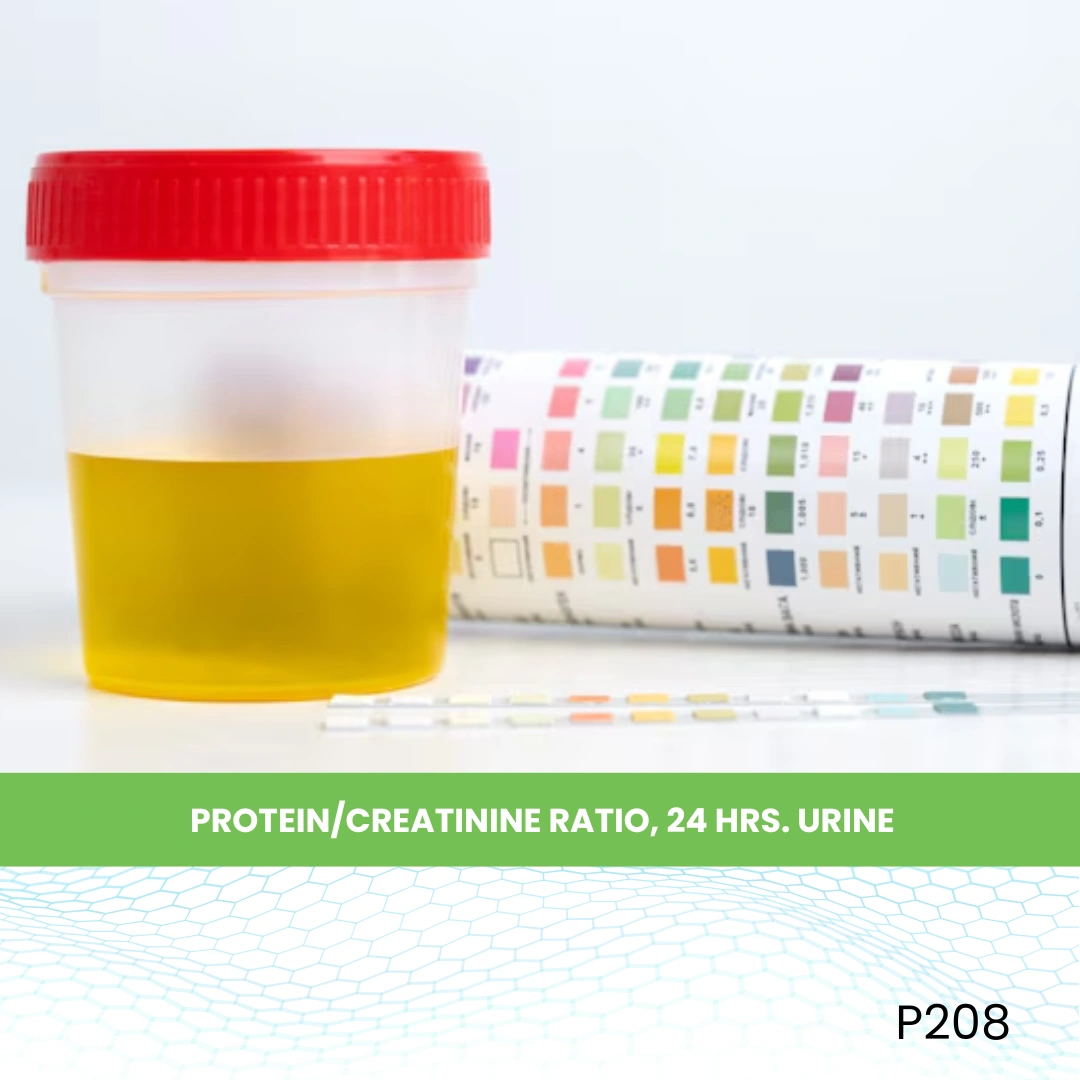
The Phencyclidine (PCP), Urine test detects the presence of phencyclidine, a dissociative hallucinogenic drug, in a urine sample. PCP—also known as “angel dust”—was originally developed as an anesthetic but is now a controlled substance due to its high potential for abuse and severe psychological effects. The test is commonly included in toxicology panels for workplace, clinical, legal, or forensic drug screening.
Uses
This test is used to confirm recent PCP use, monitor compliance in substance abuse treatment programs, and assist in medical evaluations of patients presenting with acute intoxication, overdose, or altered mental status. It is also used in occupational health and legal investigations to detect illicit drug use.
Symptoms That May Lead to the Test
Doctors may order this test if you show symptoms of PCP intoxication such as agitation, confusion, hallucinations, distorted perceptions, violent behavior, rapid eye movements, poor coordination, slurred speech, high blood pressure, rapid heart rate, or seizures. It is often ordered in emergency situations when drug-induced psychosis is suspected.
Abnormal Results
Positive Result: Indicates recent PCP use. PCP can typically be detected in urine for 2–7 days after use, and longer in chronic users. A positive result cannot determine the amount of drug used or the timing of use.
Negative Result: Suggests no PCP detected within the test’s detection window or levels below the assay’s cutoff. False negatives may occur if testing is delayed or if the urine sample is too diluted.
Risks
The test involves providing a urine sample, which is non-invasive and carries no direct health risks. The main considerations are proper sample handling, potential privacy concerns, and the possibility of false positives or negatives due to cross-reactivity with certain medications or substances.


Reviews
There are no reviews yet.