Phencyclidine (PCP), Urine (Quantitative)
What it is
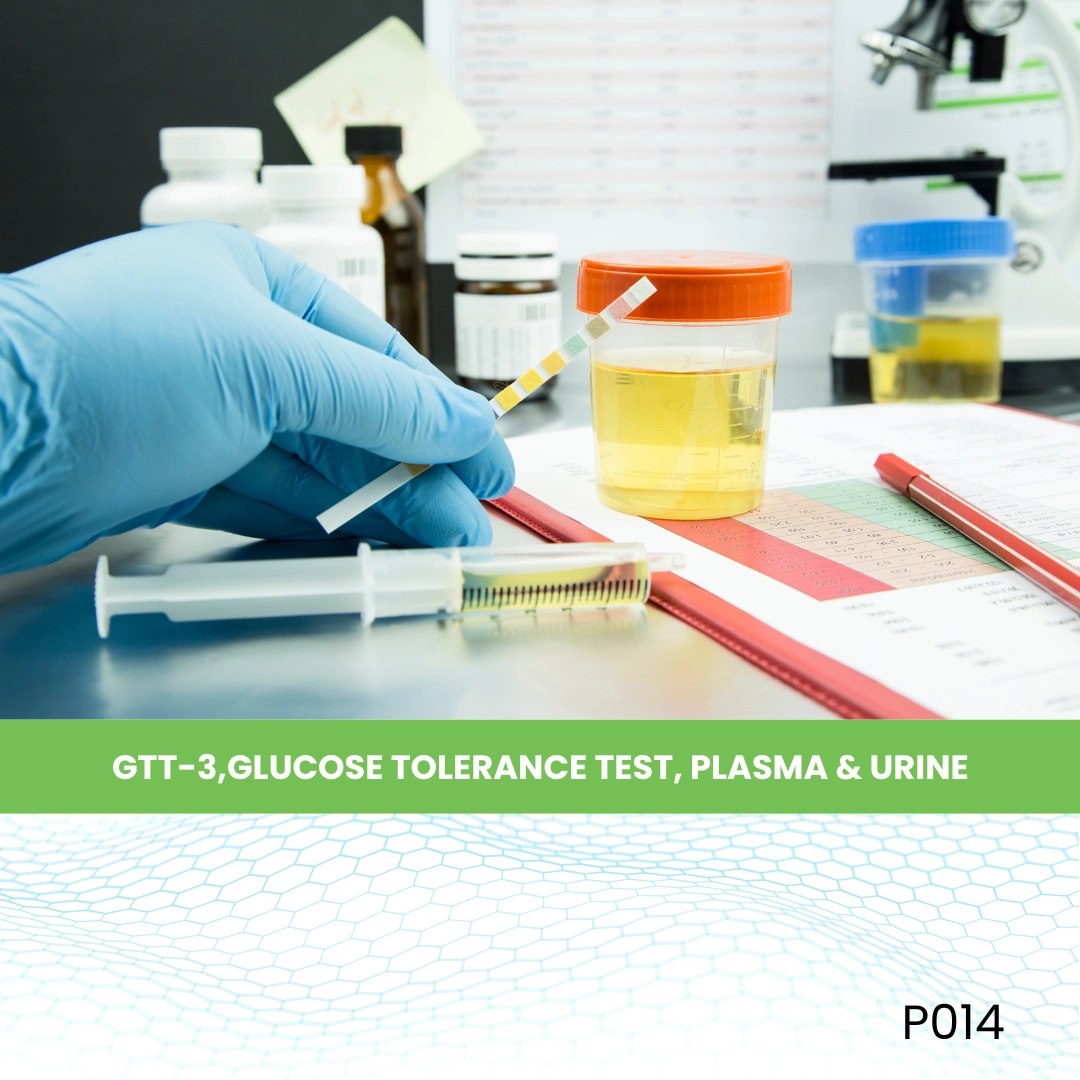
The Phencyclidine (PCP), Urine (Quantitative) test measures the exact concentration of phencyclidine and its metabolites in a urine sample. PCP is a dissociative hallucinogen, often misused for its mind-altering effects but associated with severe psychological and physical health risks. Unlike qualitative screening tests, which only detect the presence of PCP, this quantitative test provides precise levels, helping to assess the extent of exposure or intoxication.
Uses
This test is used to confirm and quantify PCP use, monitor individuals in substance abuse treatment programs, assess drug exposure in forensic or legal cases, and support medical evaluations of intoxication or overdose. Quantitative analysis is particularly important in differentiating accidental exposure from active abuse and in guiding treatment decisions in emergency care.
Symptoms That May Lead to the Test
Doctors may recommend the test if you show signs of PCP intoxication such as confusion, hallucinations, extreme agitation, violent or erratic behavior, muscle rigidity, rapid eye movements, high blood pressure, irregular heart rate, or seizures. It is often ordered in emergency rooms, rehabilitation centers, and forensic investigations.
Abnormal Results
High Concentration: Suggests significant recent PCP use, intoxication, or overdose. Extremely high levels may correlate with severe symptoms and require urgent medical intervention.
Moderate or Low Concentration: May indicate occasional use, early elimination, or residual presence in chronic users.
Negative Result: Indicates no detectable PCP within the test’s sensitivity or levels below the cutoff. However, results must be interpreted in context of timing, as PCP is typically detectable in urine for 2–7 days (longer with chronic use).
Risks
The test is non-invasive, requiring only a urine sample. There are no direct medical risks. The main considerations are accurate sample handling, avoidance of tampering, and the possibility of false positives or cross-reactivity with certain medications. Quantitative confirmation usually eliminates false-positive concerns seen in basic screening tests.


Reviews
There are no reviews yet.