Phenytoin, Serum
What it is
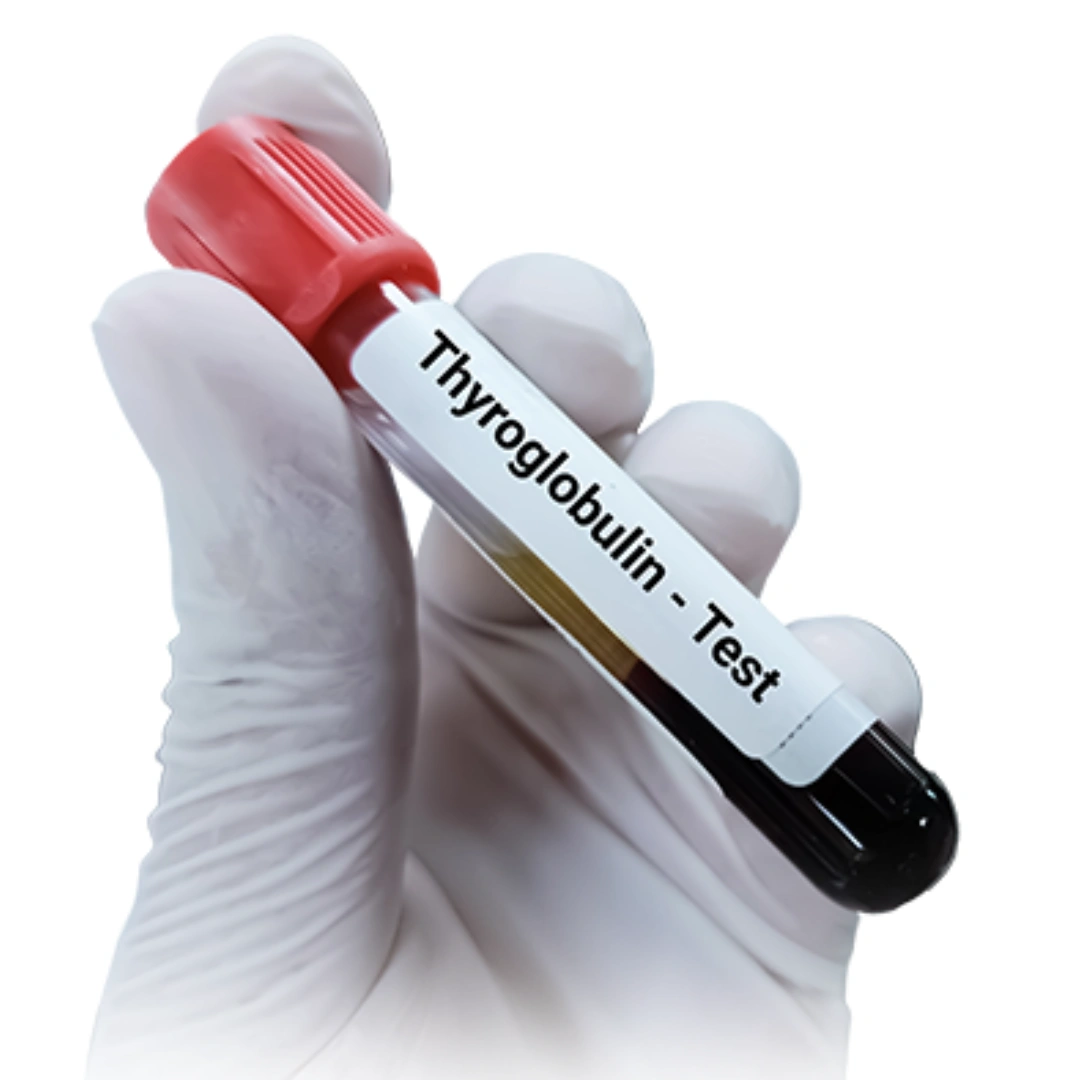
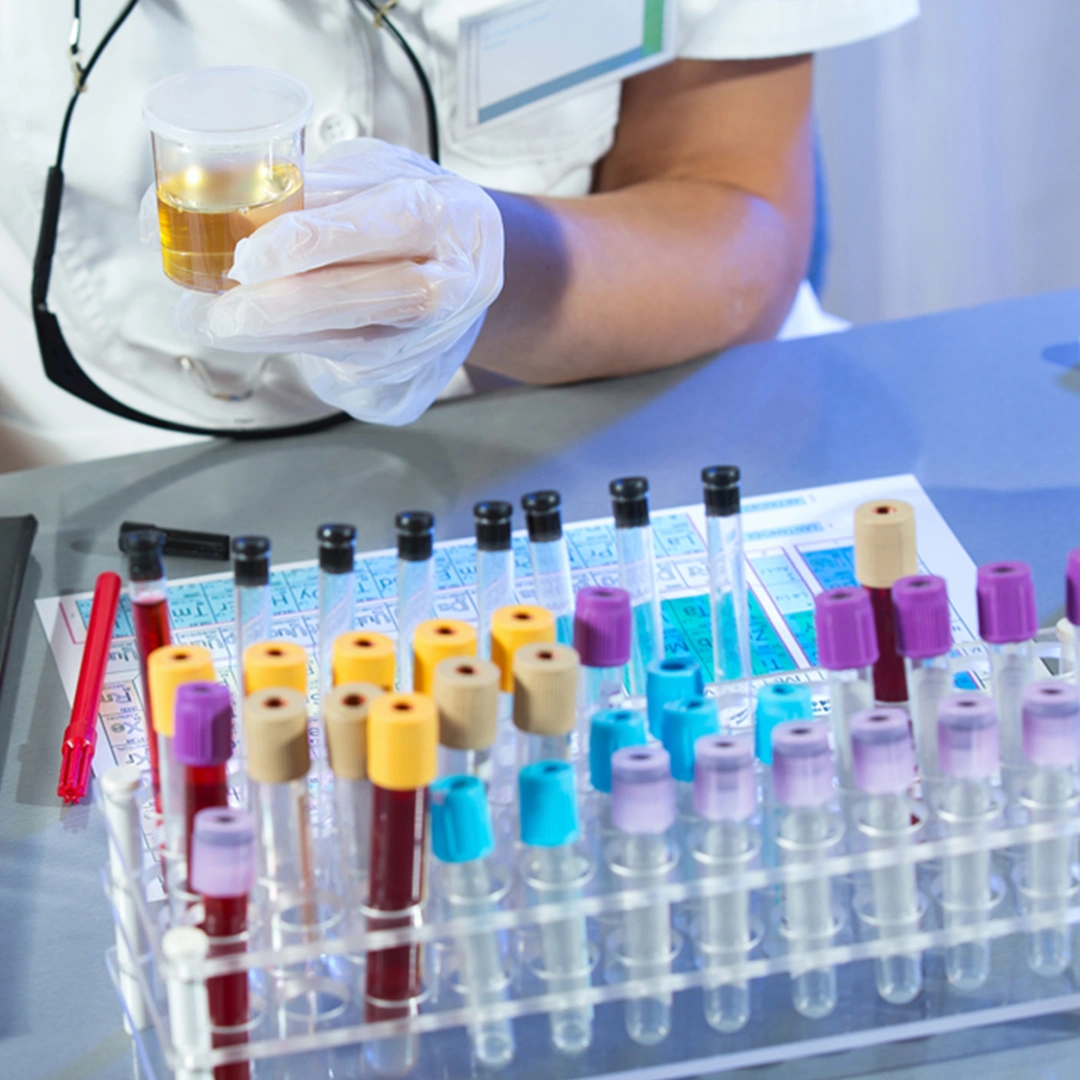
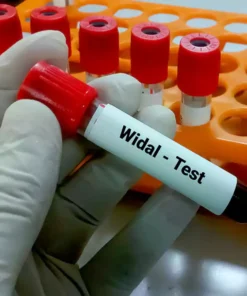
The Phenytoin, Serum test measures the level of phenytoin (an anti-seizure medication) in the blood. Phenytoin is commonly prescribed to control generalized tonic-clonic seizures and partial seizures. Since it has a narrow therapeutic range, monitoring blood levels is essential to ensure effective seizure control while avoiding drug toxicity.
Uses
This test is used to monitor therapeutic drug levels in patients taking phenytoin, adjust dosage as needed, and evaluate compliance with treatment. It is also ordered in suspected overdose or toxicity cases and when patients are taking other medications that may interfere with phenytoin metabolism. Doctors may also use this test in patients with liver or kidney problems, as these conditions can affect phenytoin levels.
Symptoms That May Lead to the Test
Doctors may recommend this test if you are receiving phenytoin treatment for epilepsy or seizures. It may also be ordered if you experience symptoms of toxicity such as dizziness, confusion, rapid eye movements (nystagmus), slurred speech, poor coordination, nausea, or excessive drowsiness. In severe cases, very high phenytoin levels can cause coma or respiratory depression.
Abnormal Results
High Phenytoin Levels: Suggest toxicity, which can cause neurological impairment, cardiac complications, or life-threatening overdose. Emergency treatment may be required.
Low Phenytoin Levels: Indicate subtherapeutic dosing, poor absorption, rapid drug metabolism, or non-compliance with treatment, which may result in breakthrough seizures.
Therapeutic Range: The typical effective range for most patients is 10–20 µg/mL, but dosing must be individualized based on clinical response and tolerance.
Risks
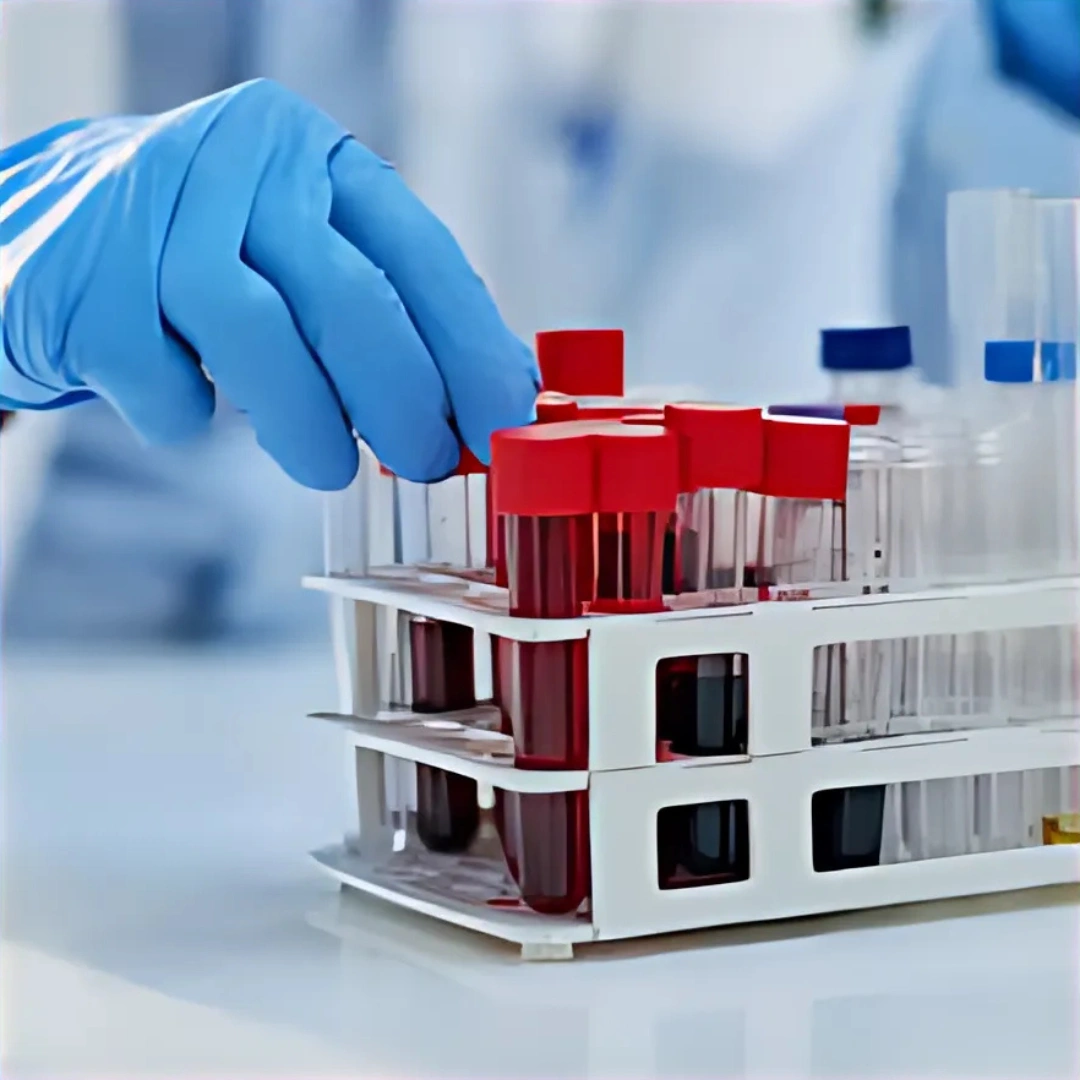
The test requires a routine blood draw. Risks are minimal and limited to slight pain, bruising, or dizziness at the puncture site. The analysis itself carries no risk.


Reviews
There are no reviews yet.