Phosphorus (Inorganic), 24 Hrs Urine
What it is
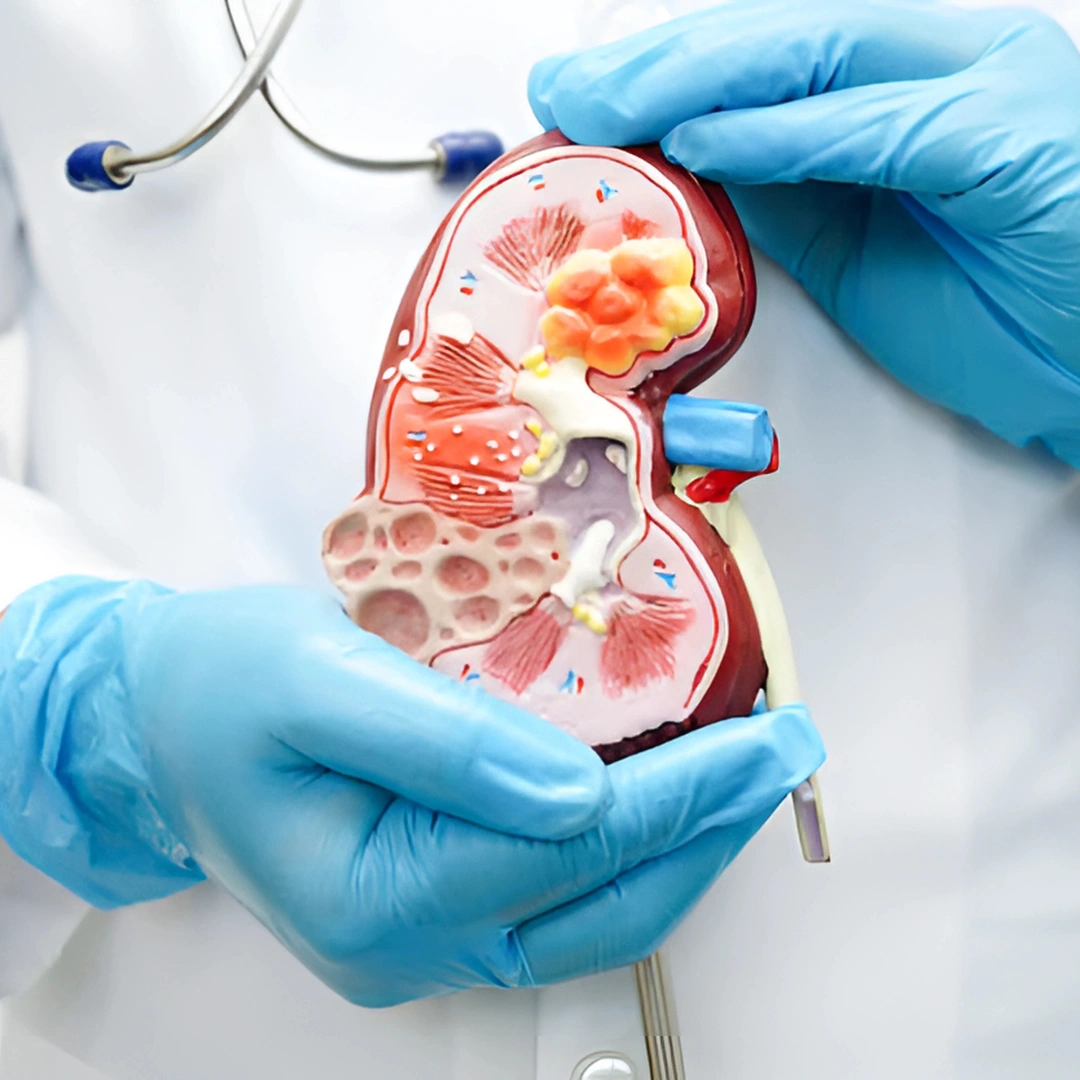
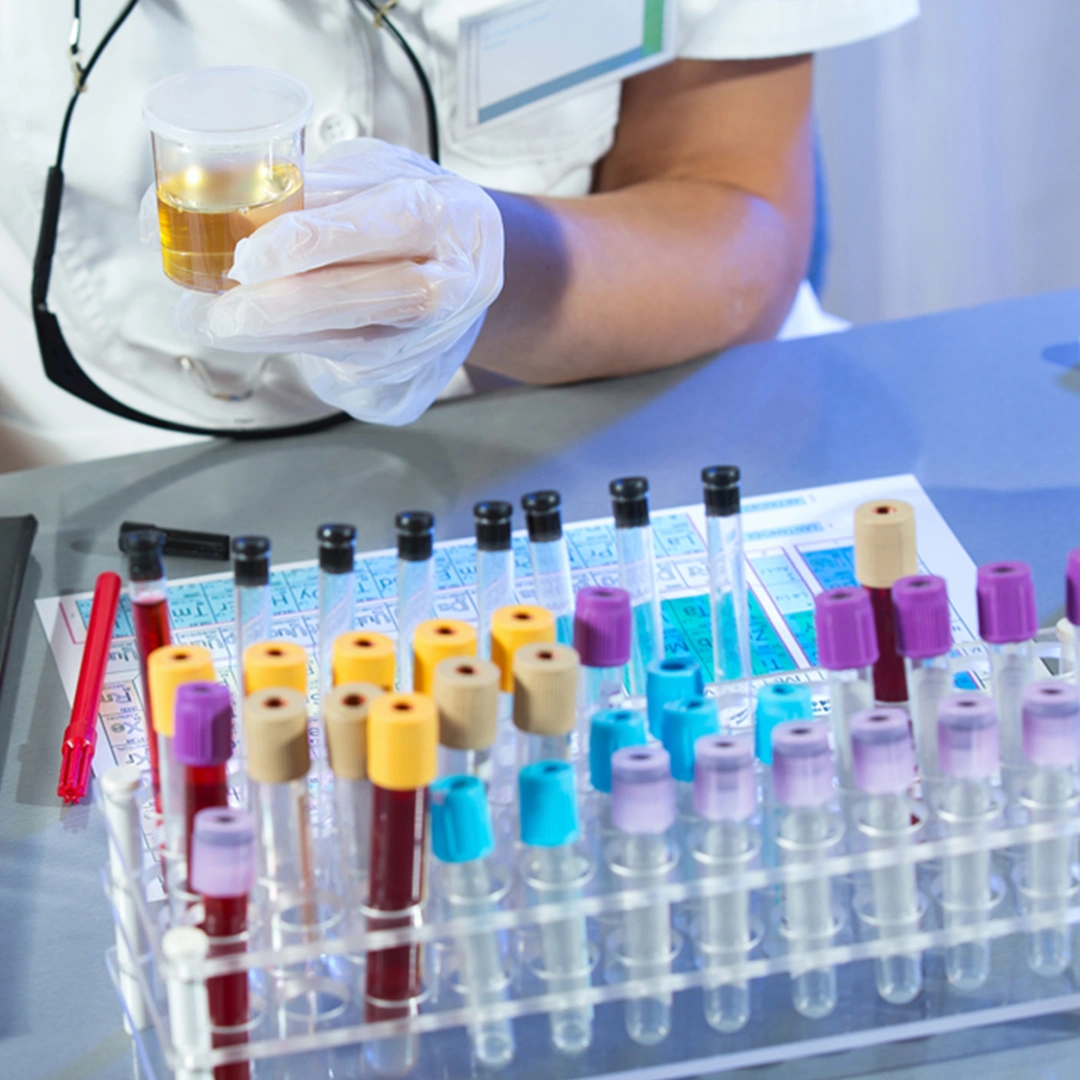
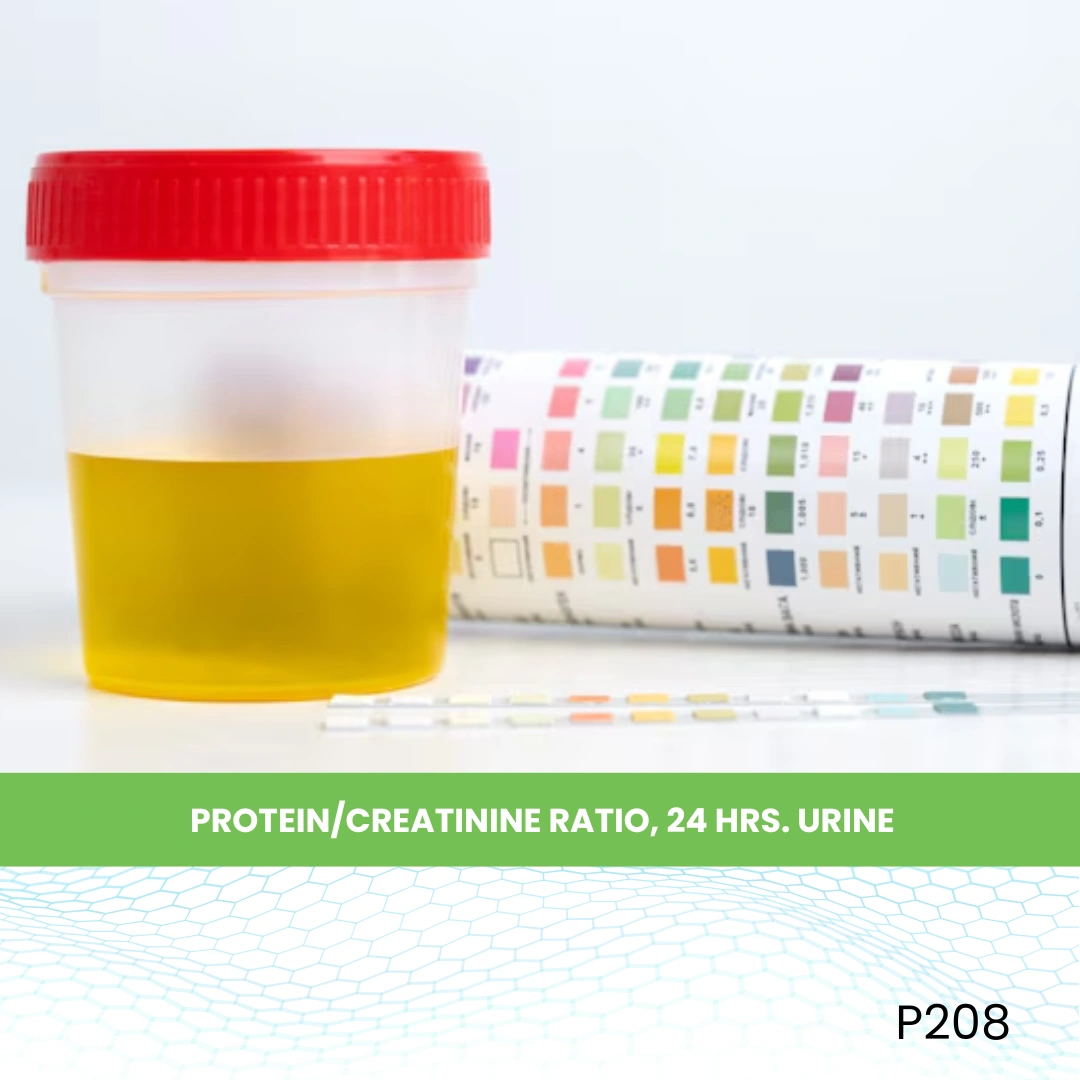
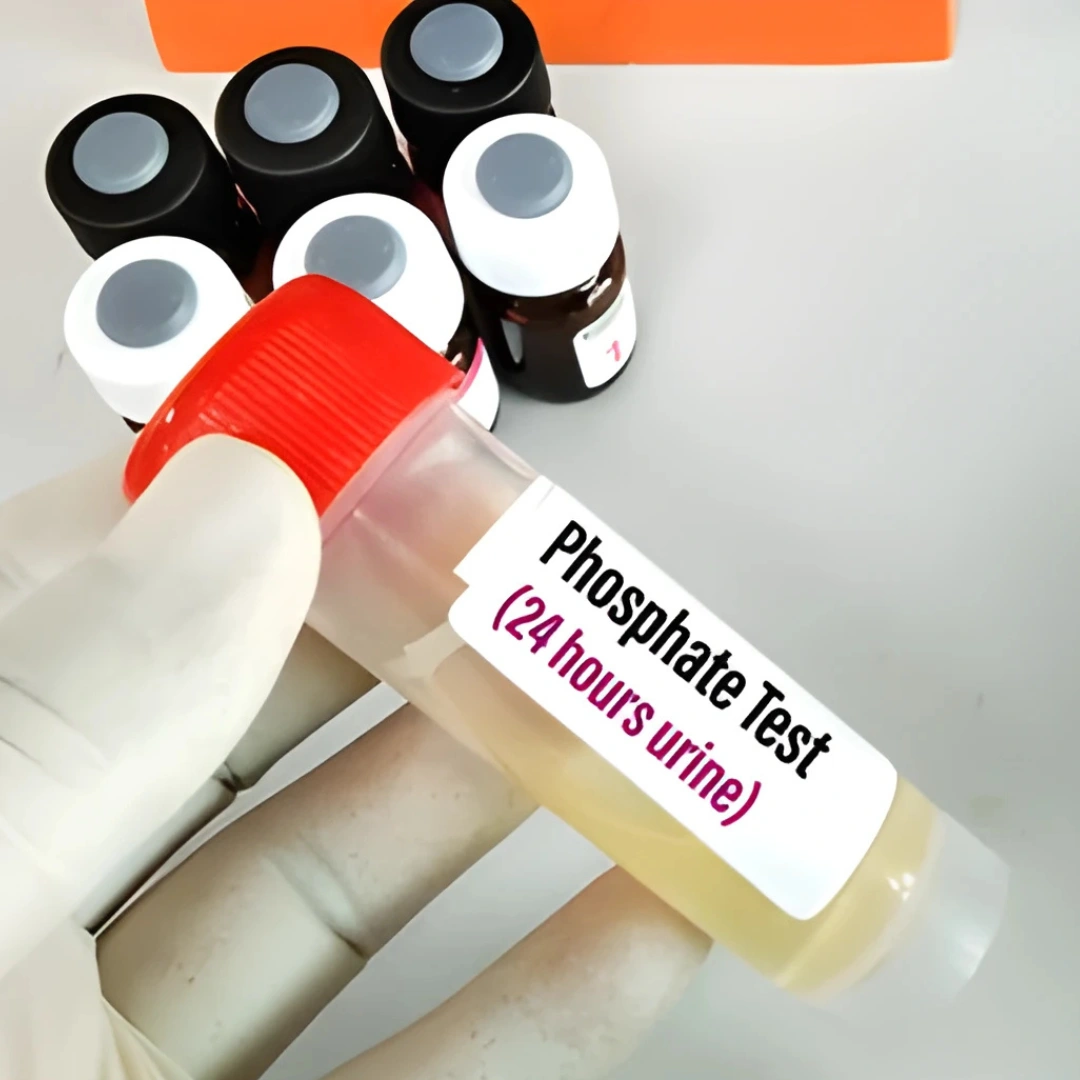
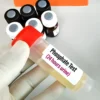
The Phosphorus (Inorganic), 24 Hours Urine test measures the total amount of inorganic phosphorus (phosphate) excreted in urine collected over a 24-hour period. Phosphorus is a vital mineral that plays a key role in bone strength, cellular energy production, and acid-base balance. Measuring urinary phosphorus over 24 hours provides a more accurate picture of phosphate metabolism and kidney function than a random urine sample.
Uses
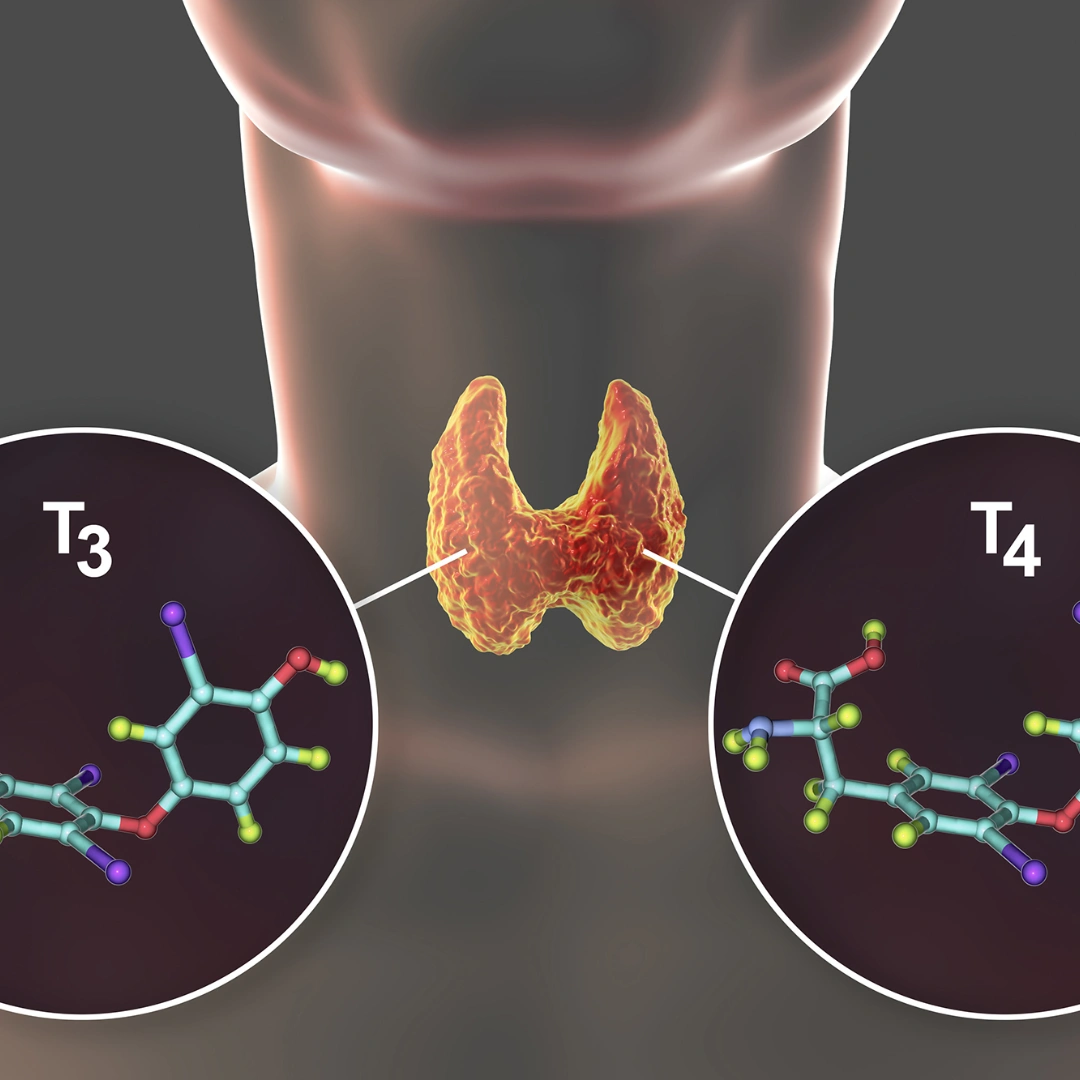
This test is commonly used to evaluate kidney function, parathyroid gland activity, and bone metabolism. It helps diagnose conditions such as hyperparathyroidism, hypoparathyroidism, vitamin D disorders, and renal tubular dysfunction. It is also used to monitor patients with chronic kidney disease, bone disorders (rickets, osteomalacia), or those at risk of kidney stones.
Symptoms That May Lead to the Test
Doctors may recommend this test if you experience:
– Bone pain, deformities, or frequent fractures.
– Muscle weakness or fatigue.
– Kidney stones or recurrent urinary issues.
– Unexplained electrolyte imbalances.
– Symptoms suggestive of parathyroid or vitamin D abnormalities.
Abnormal Results
High Urinary Phosphorus: May indicate hyperparathyroidism, vitamin D excess, renal tubular defects, or uncontrolled diabetes. Excess excretion can contribute to bone weakening and kidney stone formation.
Low Urinary Phosphorus: May suggest hypoparathyroidism, vitamin D deficiency, malnutrition, or chronic kidney disease. Persistently low phosphate excretion may point to impaired phosphate handling by the kidneys.
Results are usually interpreted alongside serum phosphorus, calcium, parathyroid hormone (PTH), and kidney function tests for accurate diagnosis.
Risks
The test requires collection of all urine passed in a 24-hour period. There are no health risks, but incomplete collection or improper storage can affect accuracy. Blood testing is sometimes done alongside for better clinical correlation.


Reviews
There are no reviews yet.