Plasma Renin
What it is
The Plasma Renin test measures the level of renin, an enzyme secreted by the kidneys that plays a crucial role in regulating blood pressure, electrolyte balance, and fluid volume. Renin stimulates the production of angiotensin, which narrows blood vessels and increases blood pressure. Measuring renin levels is especially useful in evaluating disorders related to hypertension and adrenal gland function.
Uses
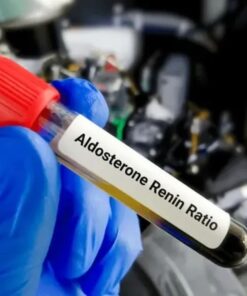
This test is primarily used to help diagnose and manage conditions such as primary aldosteronism (Conn’s syndrome), secondary hypertension, adrenal gland disorders, and kidney disease. It is usually ordered along with an aldosterone test, and the ratio of aldosterone to renin (ARR) is a key marker in differentiating types of hypertension.
Symptoms That May Lead to the Test
Doctors may recommend this test if you have:
– High blood pressure at a young age or resistant hypertension.
– Low potassium levels (hypokalemia).
– Symptoms of adrenal disorders, such as muscle weakness, fatigue, or excessive thirst and urination.
– Family history of early-onset hypertension or adrenal tumors.
Abnormal Results
High Renin Levels: May indicate kidney artery narrowing (renal artery stenosis), malignant hypertension, Addison’s disease, or salt loss due to diuretic use.
Low Renin Levels: Suggestive of primary hyperaldosteronism (Conn’s syndrome), Cushing’s syndrome, or conditions where the adrenal glands overproduce aldosterone independent of renin control.
Interpretation is most accurate when renin is measured alongside aldosterone and correlated with clinical findings.
Risks
The test requires a routine blood draw. Risks are minimal and limited to slight pain, bruising, or dizziness at the puncture site. The accuracy of results may be influenced by medications, posture during collection, and dietary salt intake.


Reviews
There are no reviews yet.