Platelet Count, Whole Blood
What it is
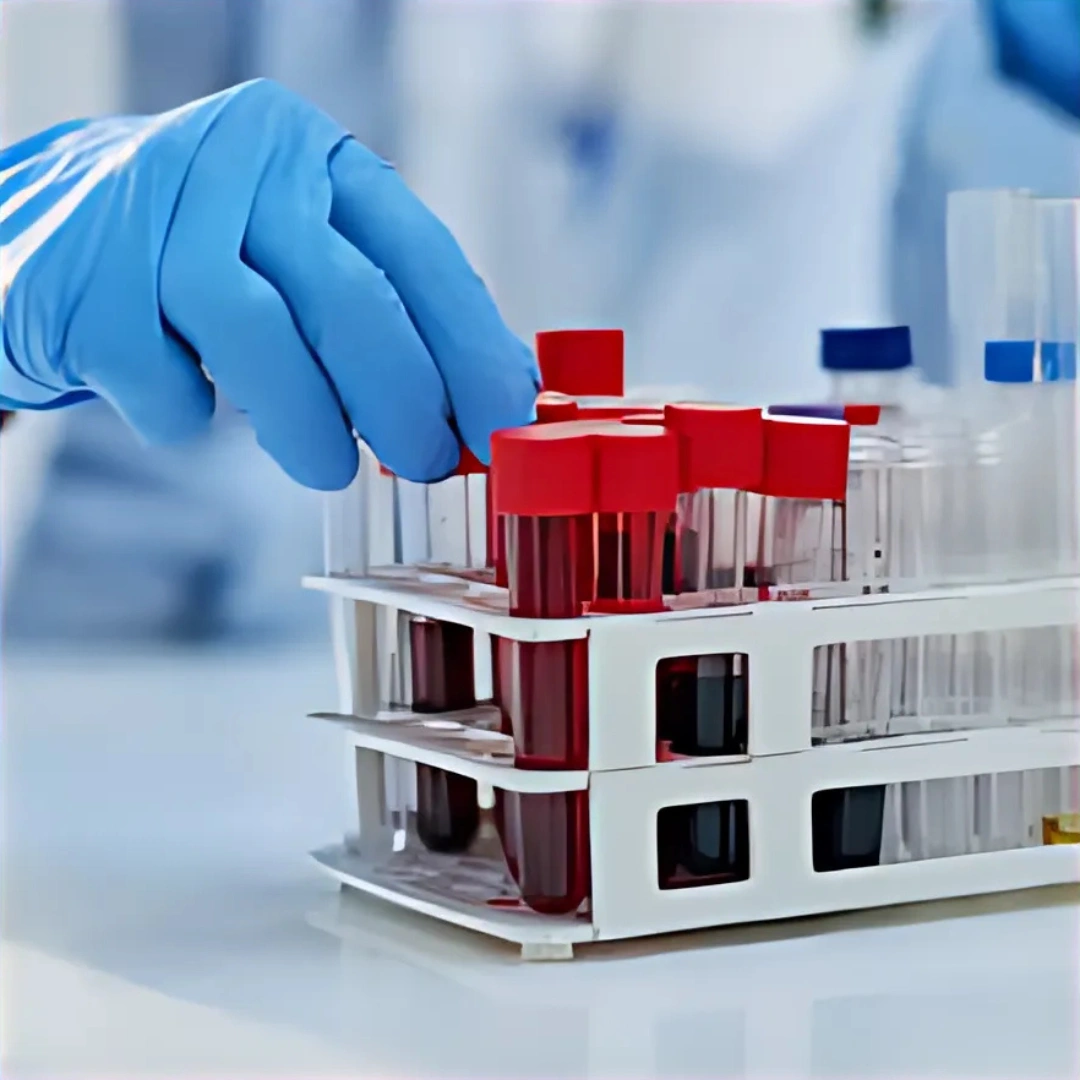
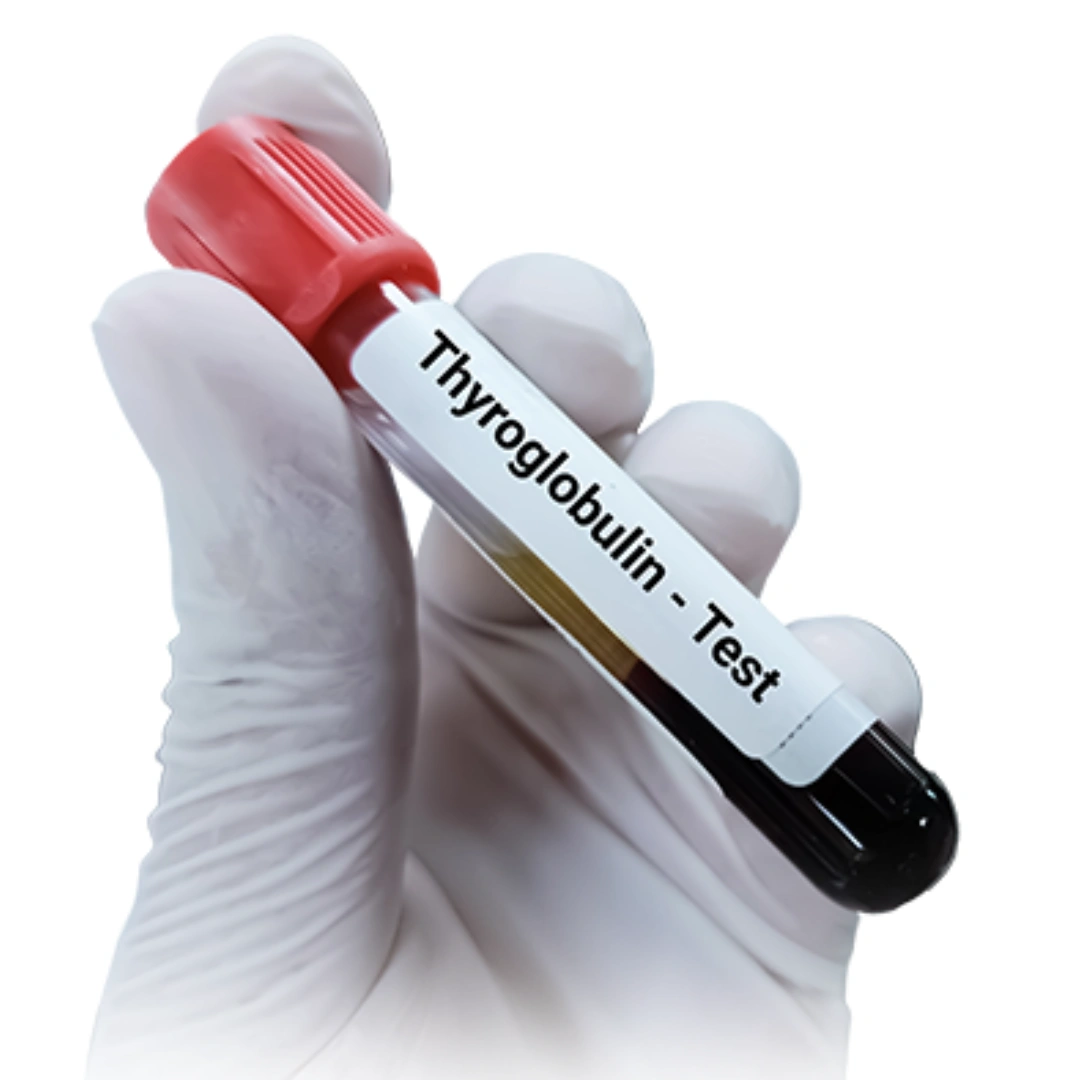
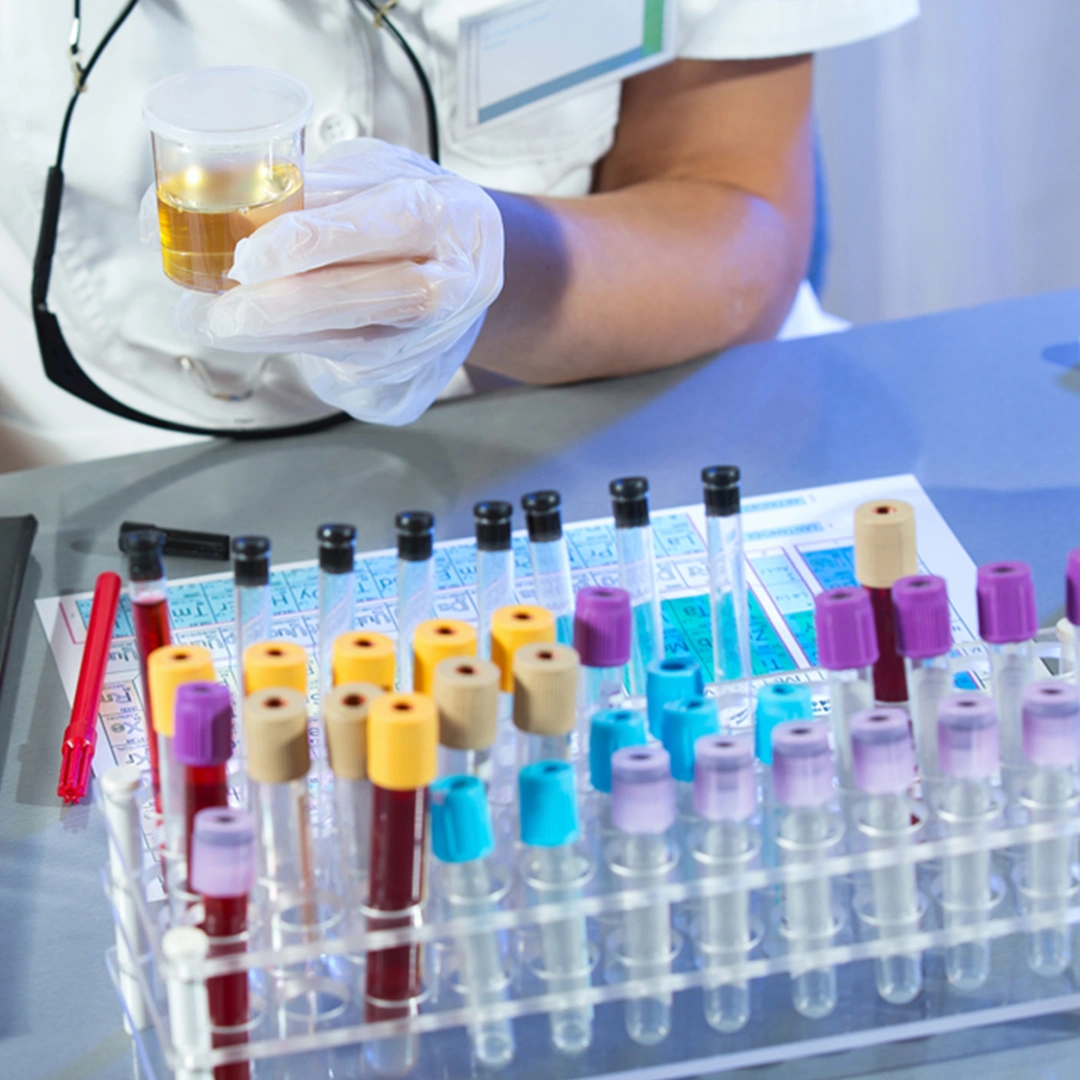
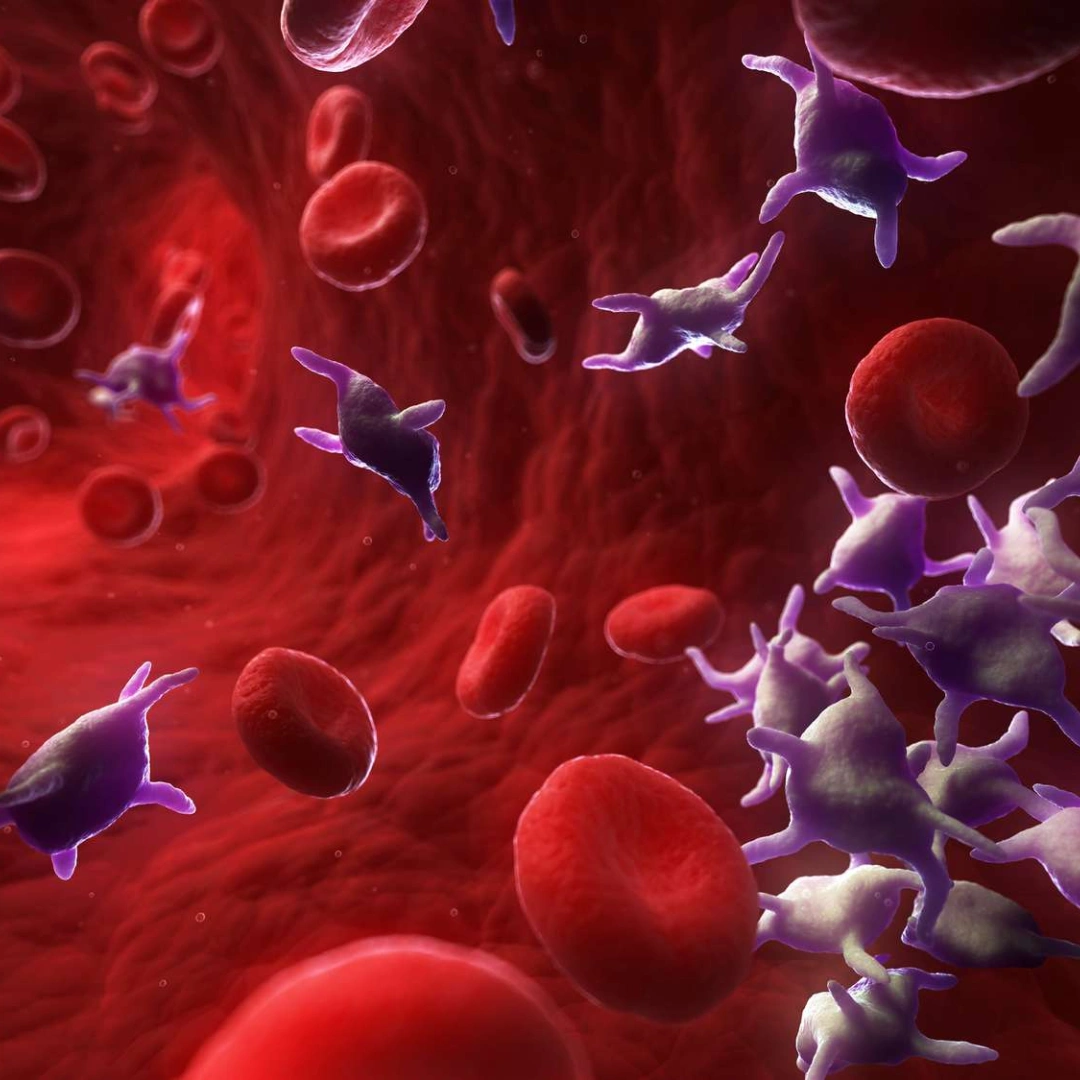
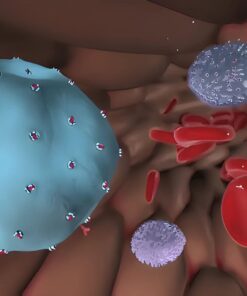
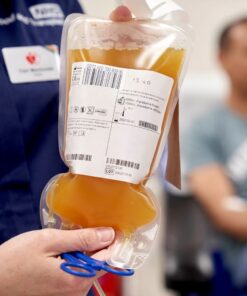
The Platelet Count, Whole Blood test measures the number of platelets (thrombocytes) in a blood sample. Platelets are small blood cells that play a vital role in blood clotting and wound healing. This test is usually performed as part of a Complete Blood Count (CBC) to evaluate bleeding or clotting disorders, bone marrow function, and overall blood health.
Uses
This test is used to detect abnormal platelet levels that may indicate bleeding disorders, bone marrow diseases, autoimmune conditions, or the effects of certain medications. It helps diagnose conditions such as Immune Thrombocytopenic Purpura (ITP), leukemia, aplastic anemia, and thrombocytosis (excess platelets). It is also used to monitor patients undergoing chemotherapy, radiation therapy, or platelet-affecting treatments.
Symptoms That May Lead to the Test
Doctors may recommend this test if you experience:
– Easy or unexplained bruising.
– Frequent or prolonged nosebleeds.
– Bleeding gums.
– Heavy menstrual bleeding.
– Tiny red or purple spots on the skin (petechiae).
– Delayed wound healing or excessive bleeding from minor cuts.
– Signs of blood clot formation such as leg pain, swelling, or chest pain (in case of suspected high platelet count).
Abnormal Results
Low Platelet Count (Thrombocytopenia): May indicate bone marrow disorders, autoimmune diseases, viral infections, liver disease, or side effects of medications. Severe thrombocytopenia increases the risk of dangerous bleeding.
High Platelet Count (Thrombocytosis): May occur due to bone marrow disorders, iron deficiency anemia, inflammation, or recovery from significant blood loss. Persistently high counts may increase the risk of blood clots.
Normal Platelet Count: Suggests healthy clotting function and normal bone marrow activity.
Risks
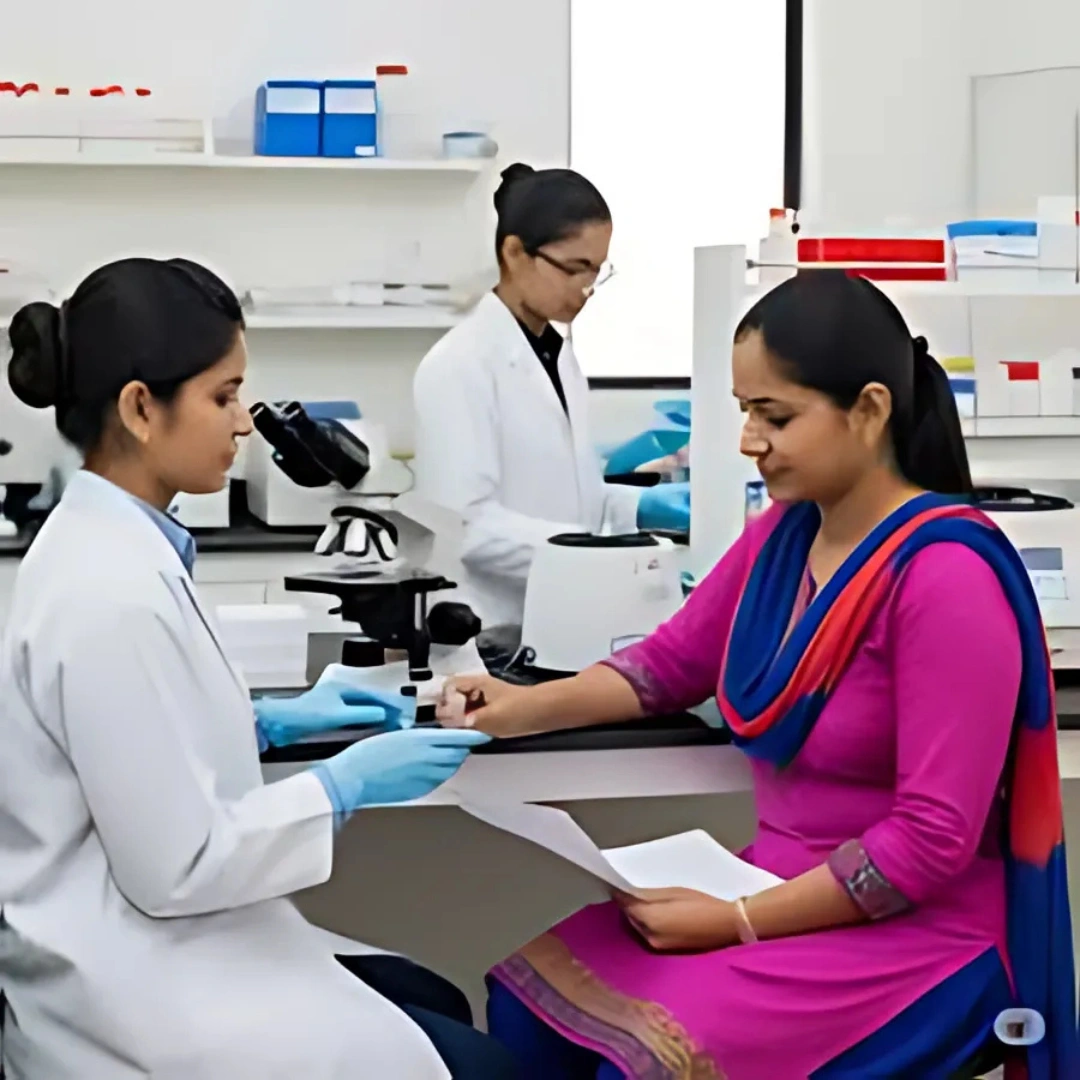
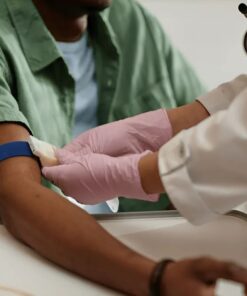
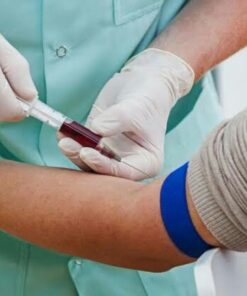
The test requires a simple blood draw. Risks are minimal and limited to mild pain, bruising, or dizziness at the puncture site. The laboratory analysis itself poses no risk.


Reviews
There are no reviews yet.