PNH Panel
What it is
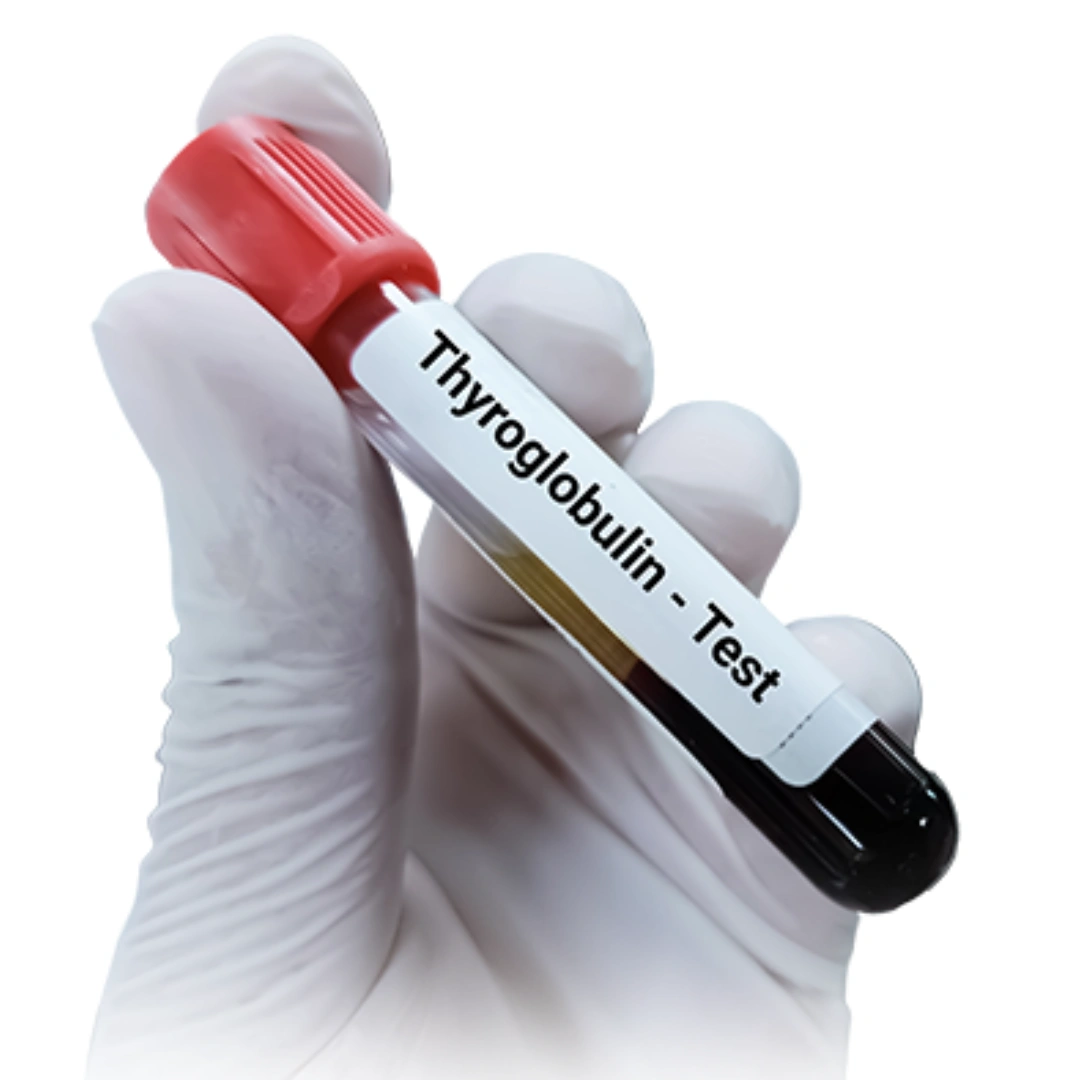
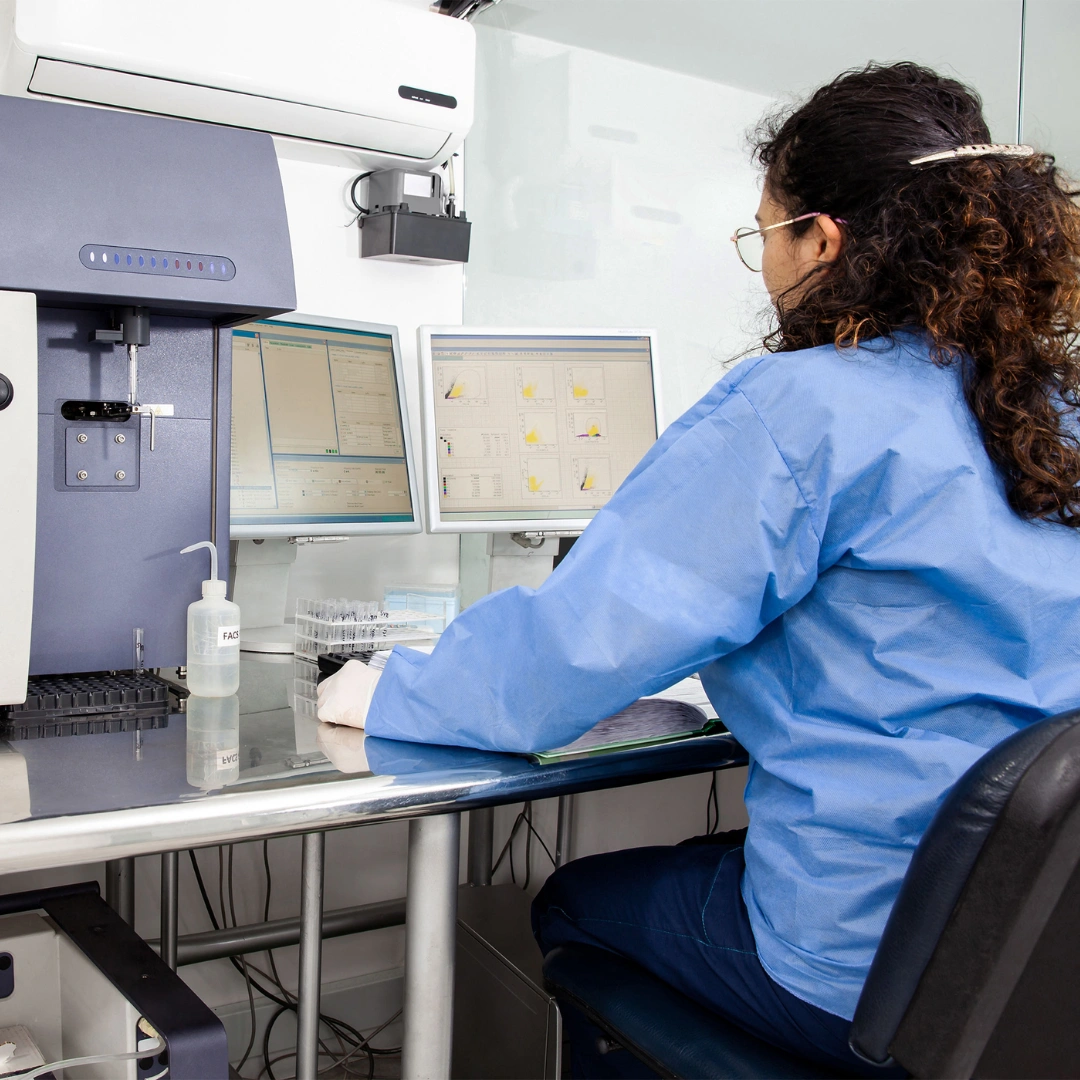
The PNH Panel is a specialized blood test used to diagnose Paroxysmal Nocturnal Hemoglobinuria (PNH), a rare and serious blood disorder. PNH occurs when mutations in blood-forming stem cells cause red blood cells to lack protective surface proteins, making them more vulnerable to destruction by the immune system. The panel is usually performed using flow cytometry to detect deficiencies in key surface proteins such as CD55 and CD59 on red and white blood cells.
Uses
This test is used to confirm or rule out PNH in patients with unexplained hemolytic anemia, bone marrow failure syndromes, or unusual blood clotting. It is also used to monitor disease progression and treatment response in patients already diagnosed with PNH. The panel can detect even small populations of PNH cells, which is important for early detection and clinical management.
Symptoms That May Lead to the Test
Doctors may recommend a PNH panel if you have:
– Unexplained anemia or dark-colored urine (especially in the morning).
– Symptoms of hemolysis such as fatigue, jaundice, or abdominal pain.
– Unusual or recurrent blood clots, particularly in unusual sites like abdominal veins.
– Low blood counts (pancytopenia) or history of aplastic anemia.
– Suspected bone marrow disorders.
Abnormal Results
Positive PNH Panel: Detection of cells lacking CD55/CD59 or other GPI-anchored proteins confirms the presence of PNH clones. The size of the clone (percentage of affected cells) provides insight into disease severity.
Negative PNH Panel: No PNH clones detected, ruling out PNH as a cause of symptoms. However, repeat testing may be necessary in patients with evolving bone marrow disorders.
Risks
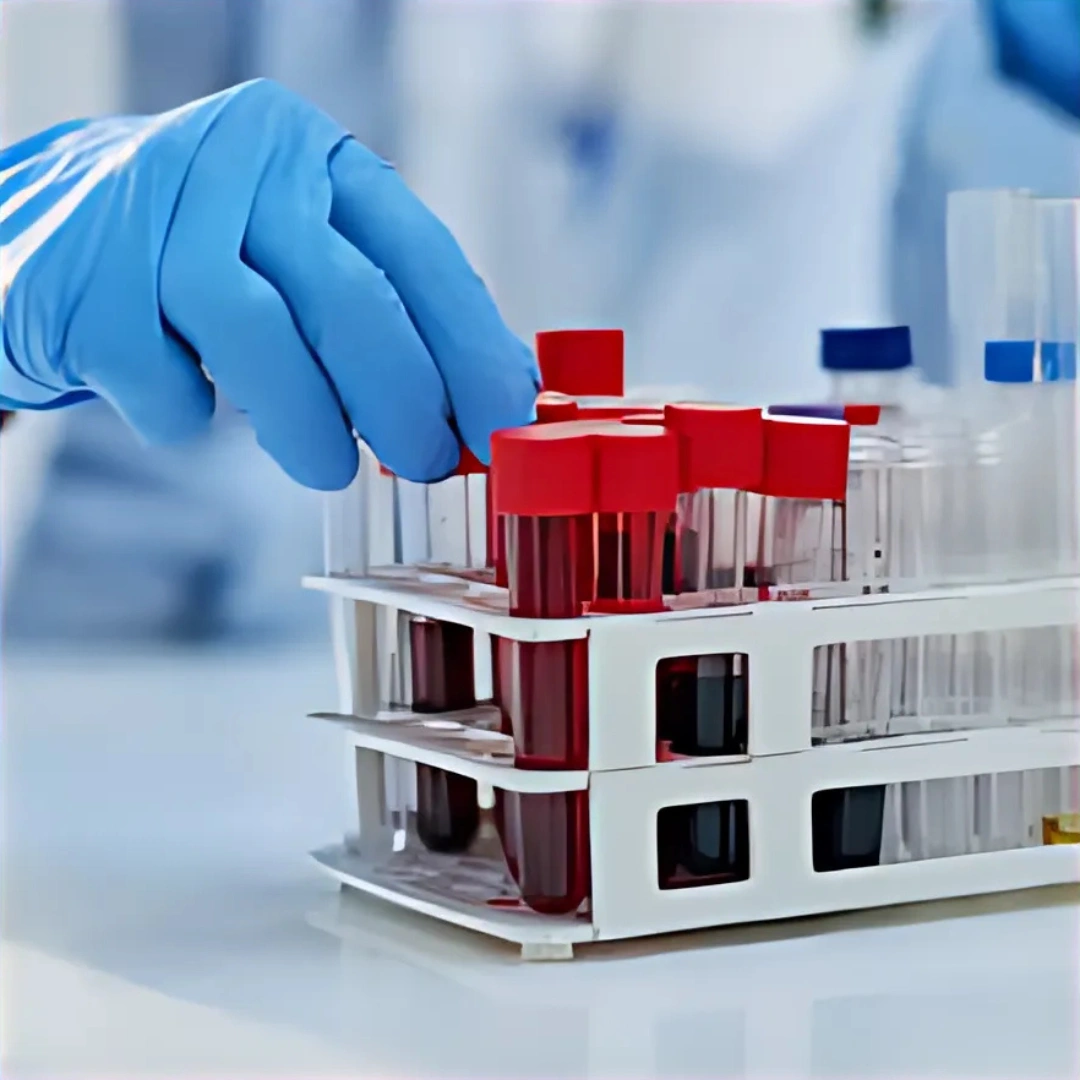
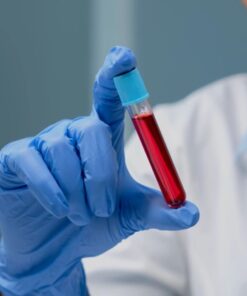
The test requires a routine blood draw. Risks are minimal and limited to slight pain, bruising, or dizziness at the puncture site. The flow cytometry analysis itself carries no risk.


Reviews
There are no reviews yet.