Polycystic Ovarian Syndrome (PCOS) Panel 1
What it is
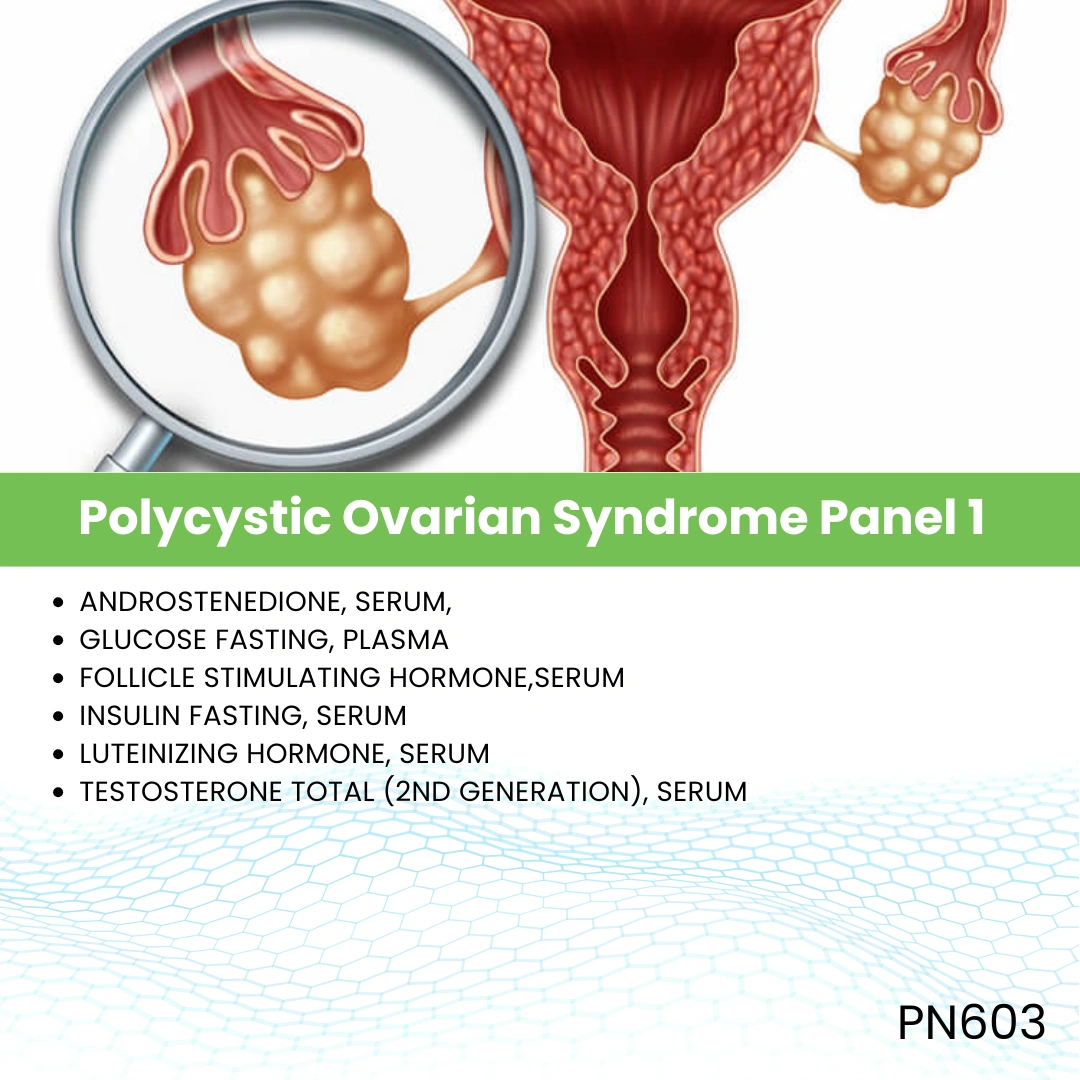
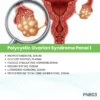
The Polycystic Ovarian Syndrome (PCOS) Panel 1 is a group of blood tests designed to evaluate hormone levels and metabolic factors associated with Polycystic Ovarian Syndrome. PCOS is a common hormonal disorder affecting women of reproductive age, often leading to irregular periods, infertility, and metabolic complications. The panel typically includes tests for reproductive hormones, androgens, and metabolic markers to provide a comprehensive evaluation.
Uses
This panel helps in diagnosing PCOS, monitoring its progression, and ruling out other conditions with similar symptoms (such as thyroid or adrenal disorders). It guides treatment decisions for managing infertility, menstrual irregularities, acne, excessive hair growth (hirsutism), and weight-related metabolic risks like insulin resistance or type 2 diabetes.
Symptoms That May Lead to the Test
Doctors may recommend this panel if you have:
– Irregular or absent menstrual cycles.
– Excessive facial or body hair growth (hirsutism).
– Persistent acne or oily skin.
– Weight gain or difficulty losing weight.
– Infertility despite regular attempts to conceive.
– Symptoms of insulin resistance such as darkened skin patches (acanthosis nigricans).
Abnormal Results
Elevated Androgens (Testosterone, DHEAS): Suggest hormonal imbalance consistent with PCOS, often linked to hirsutism and acne.
Abnormal LH/FSH Ratio: An increased ratio may support a PCOS diagnosis, although not diagnostic on its own.
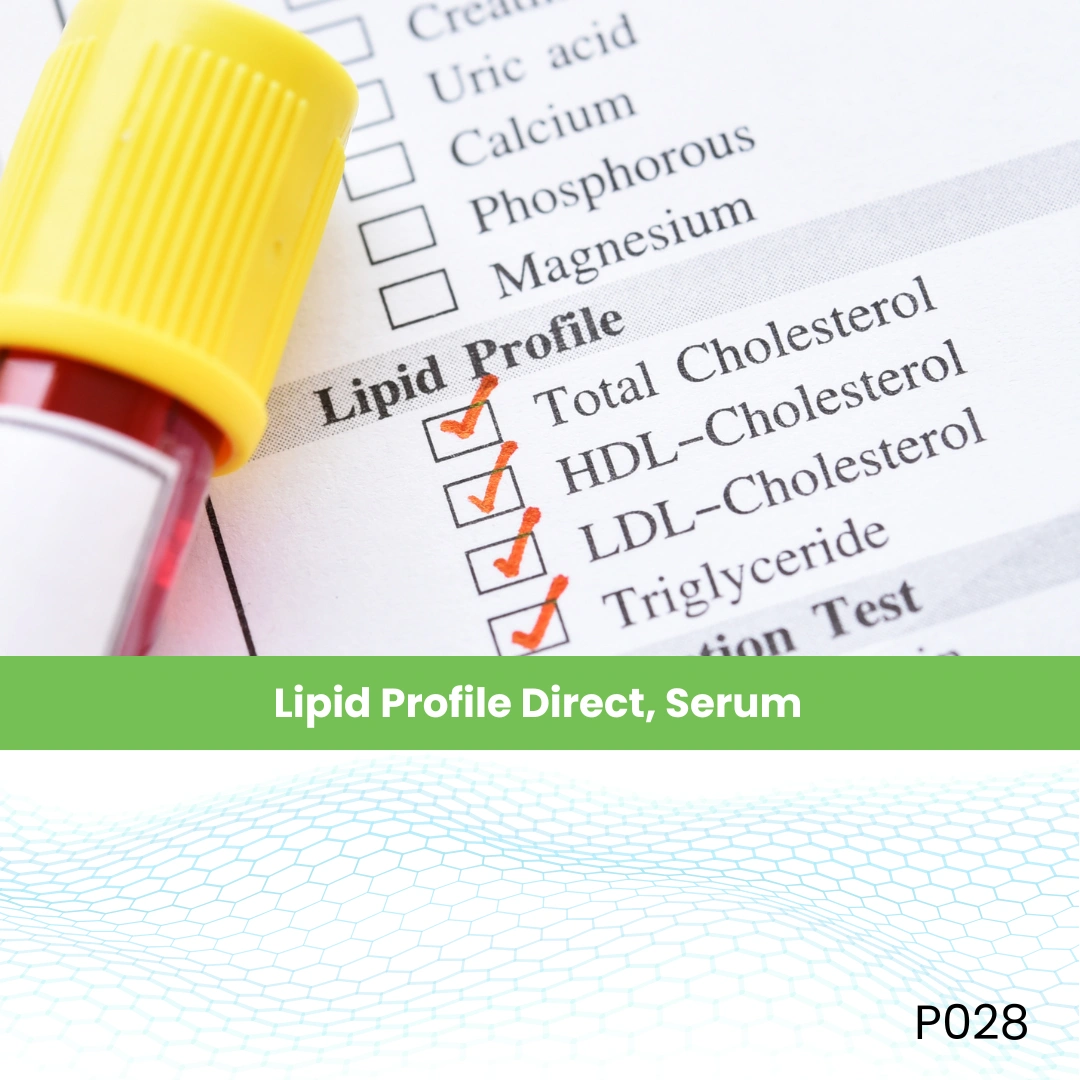
Insulin Resistance or Dyslipidemia: High fasting insulin, glucose abnormalities, or lipid imbalances may indicate increased metabolic risk.
Normal Results: Do not always exclude PCOS, as diagnosis also depends on clinical symptoms and ultrasound findings.
Risks
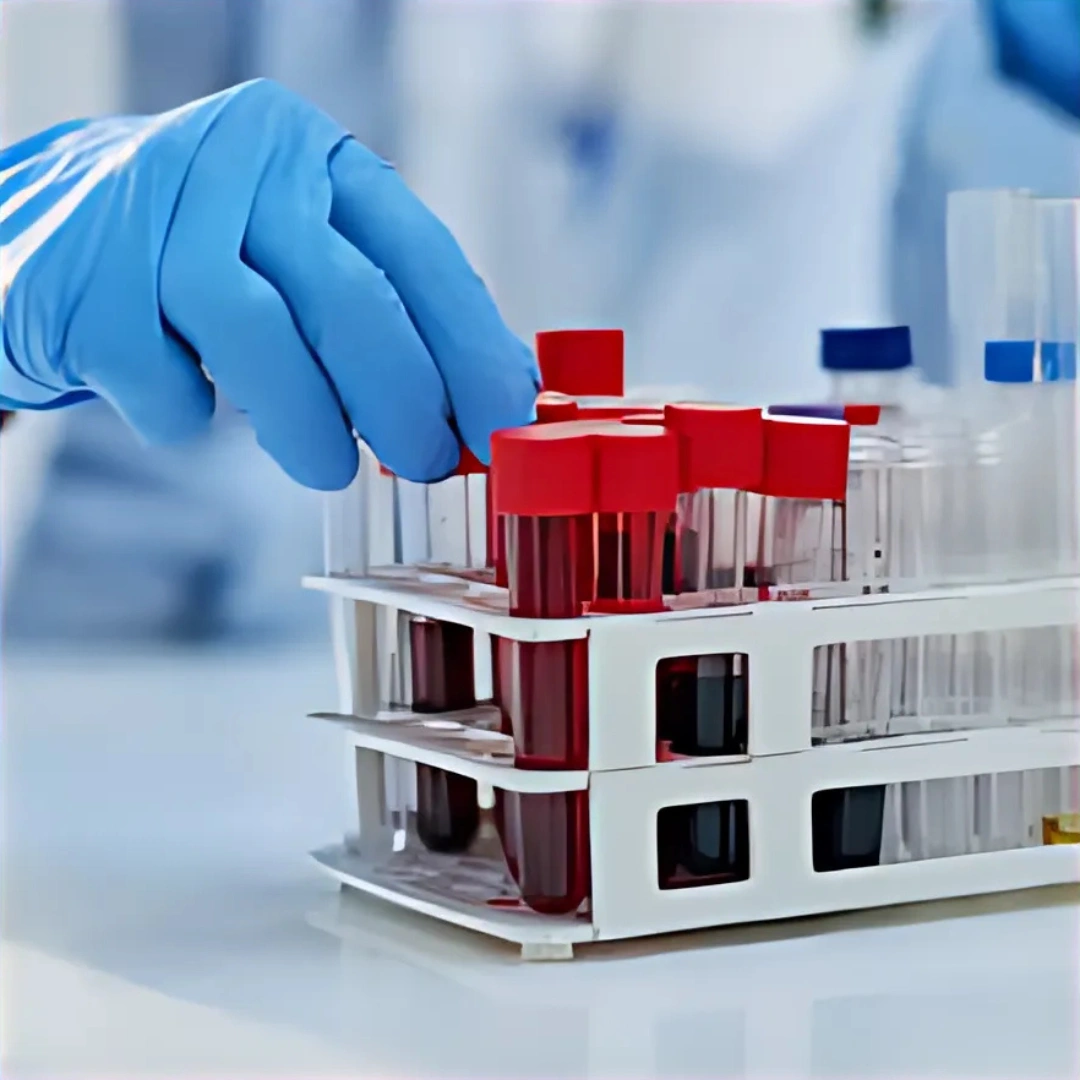
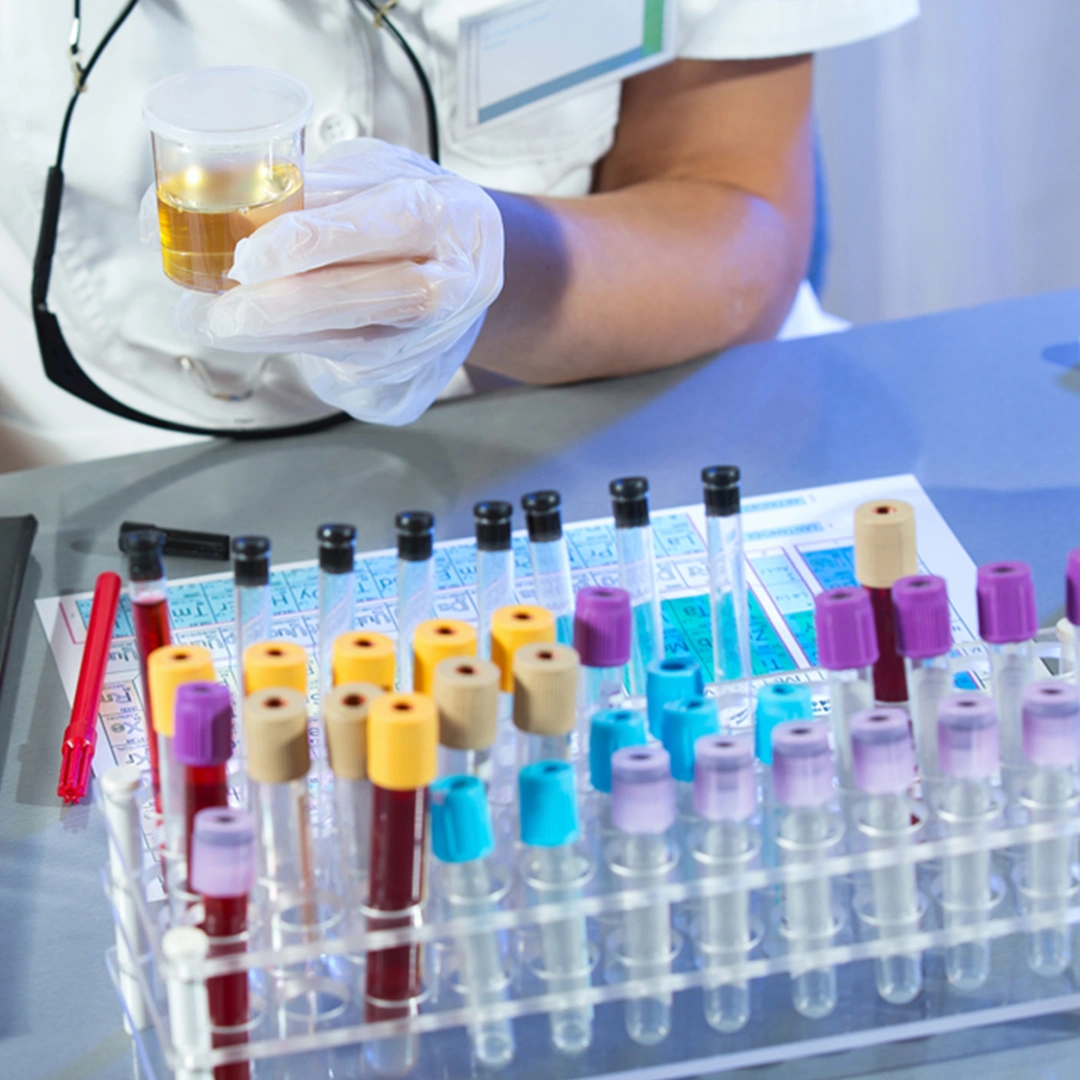
The panel requires a routine blood draw. Risks are minimal and limited to mild pain, bruising, or dizziness at the puncture site. The analysis itself carries no direct risk.


Reviews
There are no reviews yet.