Potassium, Random Urine
What it is
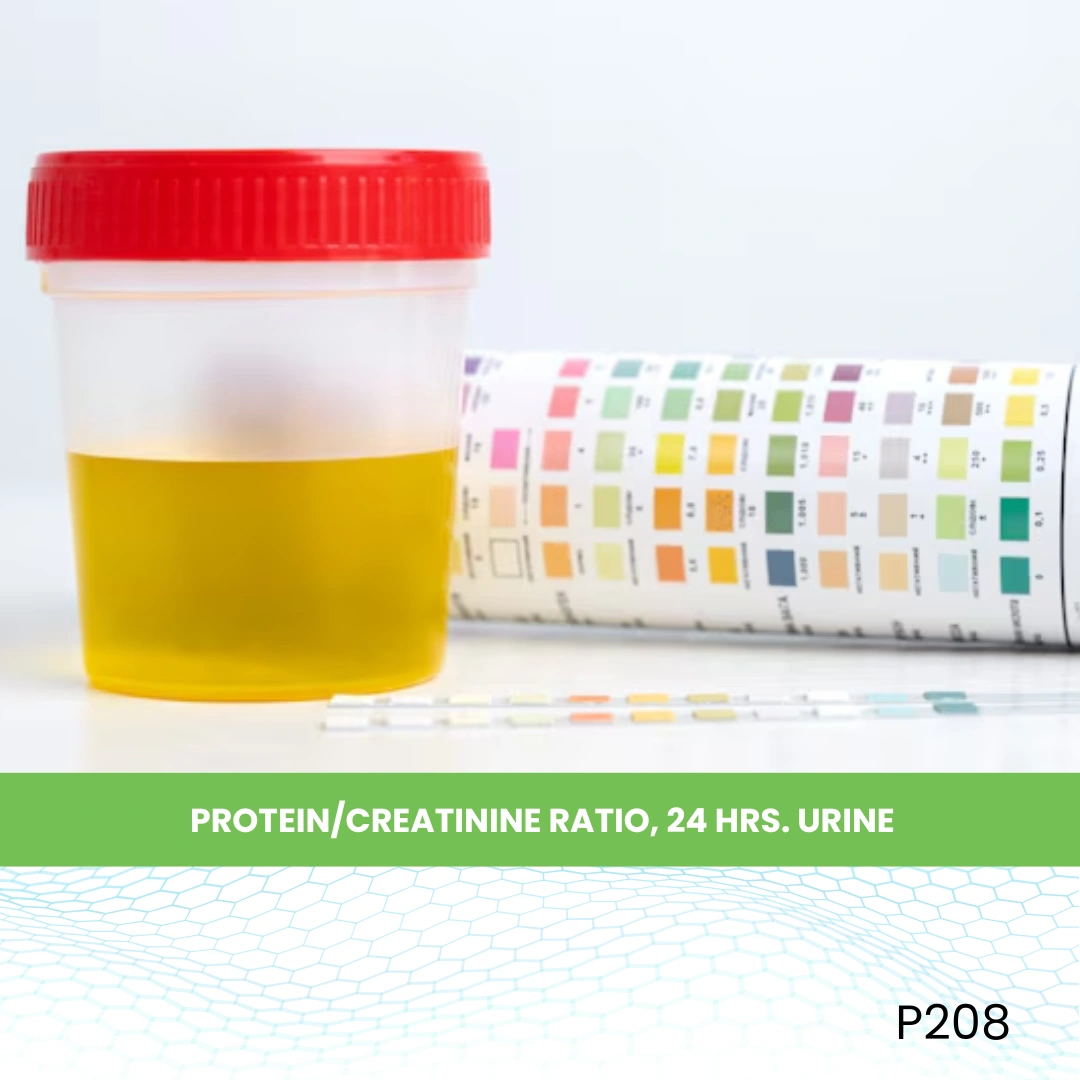
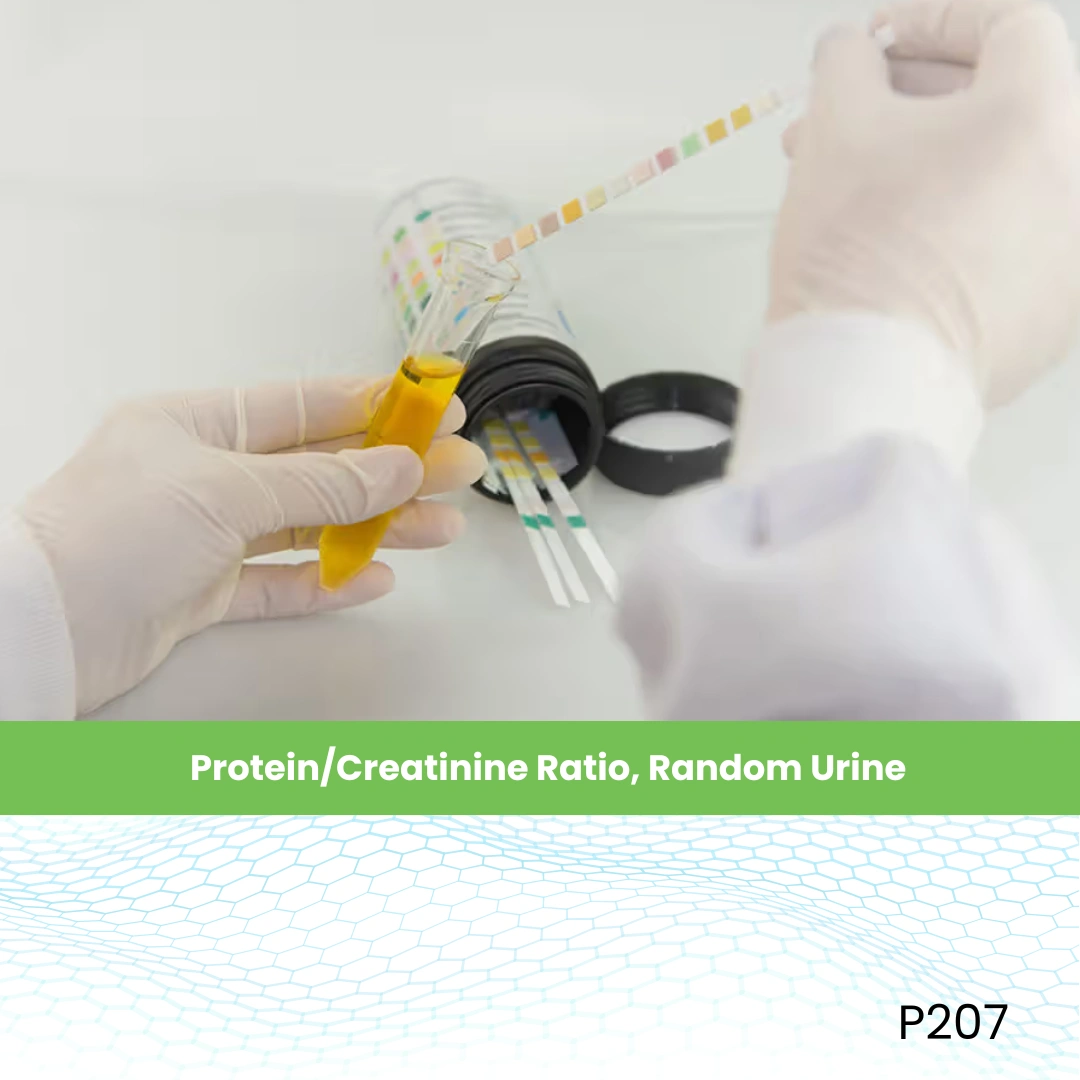
The Potassium, Random Urine test measures the concentration of potassium in a single urine sample collected at any time of the day. Potassium is a vital electrolyte that supports nerve function, muscle contraction, and fluid balance. Unlike a 24-hour urine collection, the random test provides a quick assessment but may be influenced by recent diet, hydration, or medications.
Uses
This test is used to help evaluate electrolyte balance, kidney function, and causes of abnormal blood potassium levels. It is often ordered in patients with hypokalemia (low potassium) or hyperkalemia (high potassium) to determine whether the imbalance is due to kidney losses, gastrointestinal losses, or other systemic conditions. It may also be used to monitor patients on diuretics or medications that affect potassium balance.
Symptoms That May Lead to the Test
Doctors may recommend this test if you have:
– Muscle weakness, cramps, or twitching.
– Irregular heartbeat or palpitations.
– Unexplained fatigue or paralysis.
– Signs of dehydration or fluid imbalance.
– Abnormal serum potassium levels detected in blood tests.
Abnormal Results
High Urinary Potassium: May indicate kidney disorders, hyperaldosteronism (Conn’s syndrome), excessive dietary potassium intake, or use of potassium-wasting diuretics. It can also occur in uncontrolled diabetes or metabolic alkalosis.
Low Urinary Potassium: May suggest adrenal insufficiency (Addison’s disease), dehydration, advanced kidney disease, or conditions causing potassium loss through vomiting or diarrhea.
Because results can vary with diet and hydration, doctors often confirm findings with a 24-hour urinary potassium test or correlate with blood potassium levels.
Risks
The test requires only a urine sample, making it completely non-invasive. There are no health risks, but accuracy depends on proper sample collection and timing.


Reviews
There are no reviews yet.