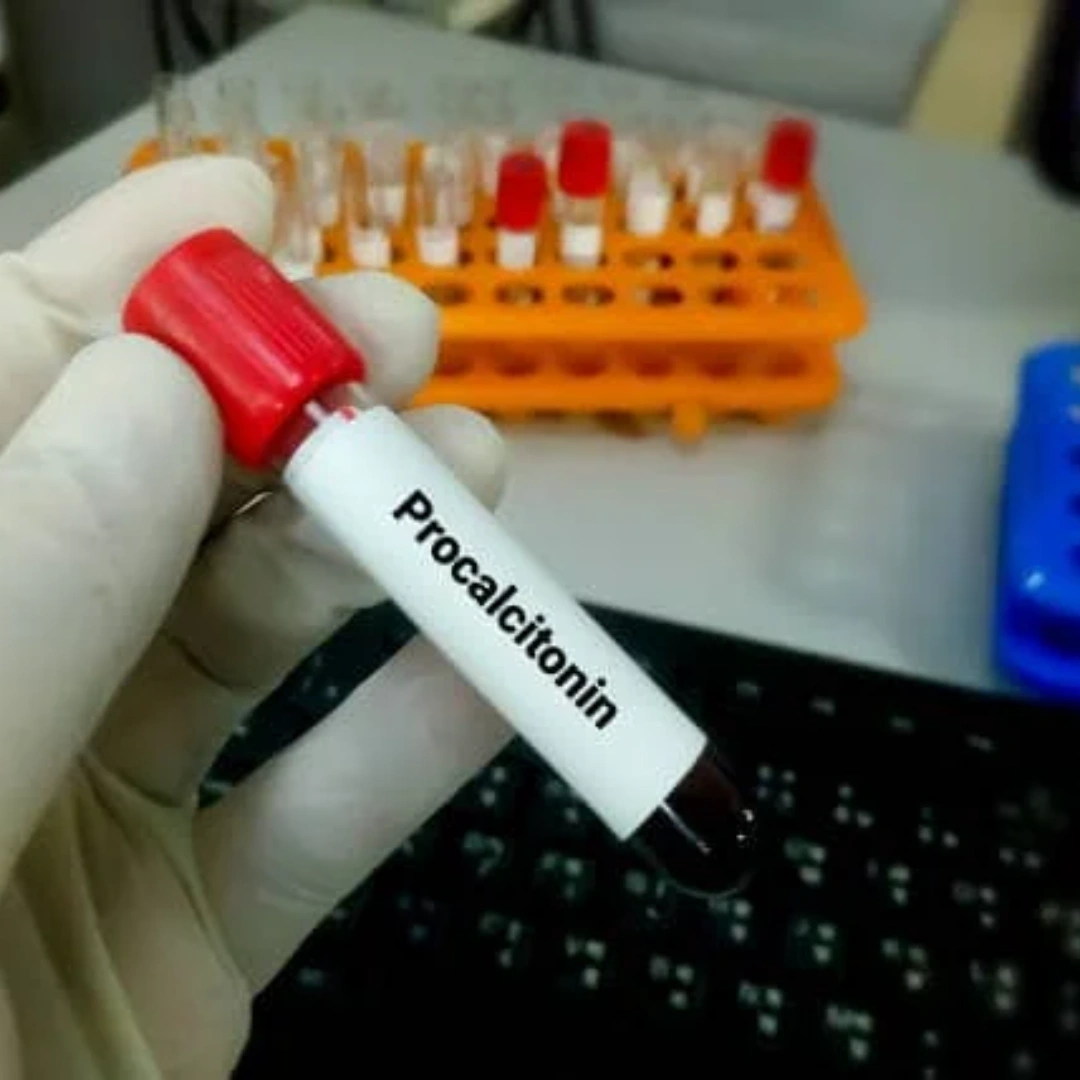
Procalcitonin (PCT), Serum
What it is
The Procalcitonin (PCT), Serum test measures the level of procalcitonin, a protein produced in response to severe bacterial infections and sepsis. Normally, procalcitonin is produced in very small amounts, but levels rise significantly during systemic bacterial infections. Unlike other markers, it is less likely to rise in viral infections, making it a useful tool in distinguishing bacterial from viral causes of illness.
Uses
This test is used to:
– Diagnose and monitor severe bacterial infections and sepsis.
– Differentiate between bacterial and viral infections.
– Guide decisions on starting or stopping antibiotic therapy.
– Monitor patients with pneumonia, urinary tract infections, meningitis, or bloodstream infections.
– Assess severity and prognosis in critically ill patients with suspected infection.
Symptoms That May Lead to the Test
Doctors may recommend a Procalcitonin test if you have:
– High fever with chills.
– Rapid heart rate, low blood pressure, or confusion (signs of sepsis).
– Persistent cough, shortness of breath, or suspected pneumonia.
– Severe abdominal pain with suspected intra-abdominal infection.
– Signs of systemic infection or worsening illness despite treatment.
Abnormal Results
High Procalcitonin Levels: Strongly suggest severe bacterial infection, sepsis, or systemic inflammatory response due to bacteria. The higher the level, the more severe the infection is likely to be.
Moderate Elevation: May be seen in localized bacterial infections or early stages of systemic infection.
Low or Normal Levels: Suggest absence of significant bacterial infection, more likely a viral or non-infectious cause. This helps avoid unnecessary antibiotic use.
Risks
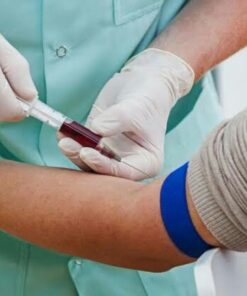
The test requires a routine blood sample. Risks are minimal, including mild pain, bruising, or dizziness at the puncture site. The laboratory analysis itself has no risks.


Reviews
There are no reviews yet.