Prolactin, Active Monomeric Prolactin
What it is
The Prolactin, Active Monomeric Prolactin test measures the biologically active form of prolactin in the blood. Prolactin is a hormone secreted by the pituitary gland that regulates breast development and milk production. While total prolactin tests measure all forms of the hormone, this test specifically quantifies the active monomeric fraction, which is responsible for physiological effects. It is particularly useful in distinguishing true hyperprolactinemia from conditions like macroprolactinemia, where large, inactive forms of prolactin are present.
Uses
This test is used to:
– Diagnose and confirm hyperprolactinemia.
– Differentiate between active prolactin excess and macroprolactinemia (benign, inactive form).
– Investigate infertility, irregular menstrual cycles, or galactorrhea (abnormal milk secretion).
– Evaluate pituitary gland function and screen for prolactin-secreting tumors (prolactinomas).
– Prevent misdiagnosis and unnecessary treatment in patients with elevated total prolactin but normal active levels.
Symptoms That May Lead to the Test
Doctors may recommend this test if you have:
– Irregular or absent menstrual periods.
– Infertility in women or reduced sperm production in men.
– Galactorrhea (unexpected breast milk secretion).
– Decreased libido or sexual dysfunction.
– Headaches or vision changes suggestive of pituitary disorders.
– Elevated prolactin levels on routine tests without matching symptoms.
Abnormal Results
High Active Monomeric Prolactin: Suggests true hyperprolactinemia, often due to pituitary adenomas (prolactinomas), hypothyroidism, certain medications (antipsychotics, antidepressants), or chronic stress. High levels may cause infertility, menstrual irregularities, and reduced testosterone in men.
Normal Active Prolactin with High Total Prolactin: Suggests macroprolactinemia, a condition where inactive prolactin forms are elevated but do not cause symptoms. This distinction prevents overtreatment.
Low or Normal Levels: Considered within normal physiological range and usually not a cause for concern unless symptoms persist.
Risks
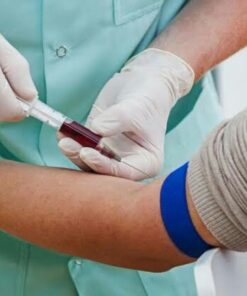
The test requires a standard blood draw. Risks are minimal and may include mild pain, bruising, or dizziness at the puncture site. The analysis itself carries no risks.


Reviews
There are no reviews yet.