Protein, 24 Hrs Urine
What it is
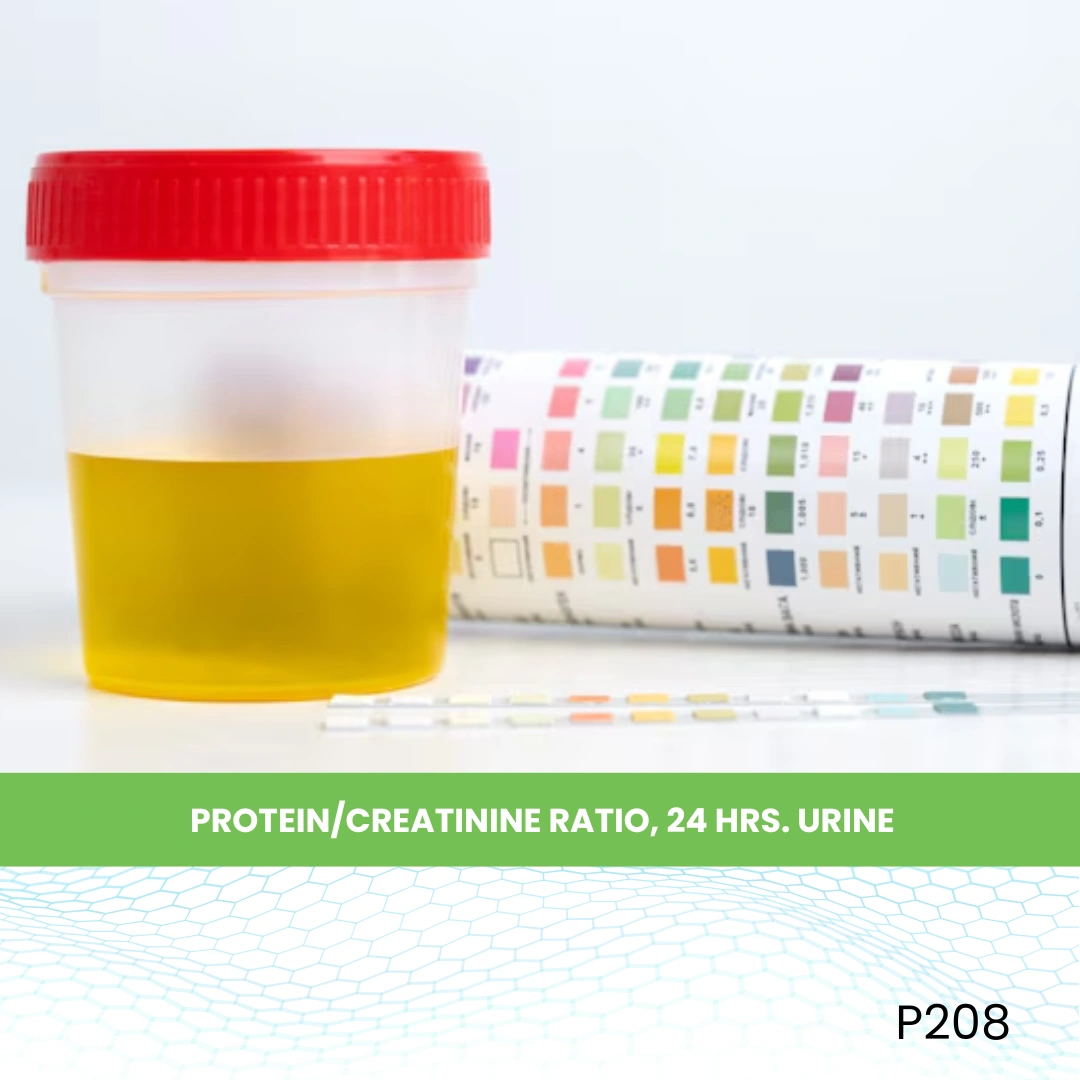
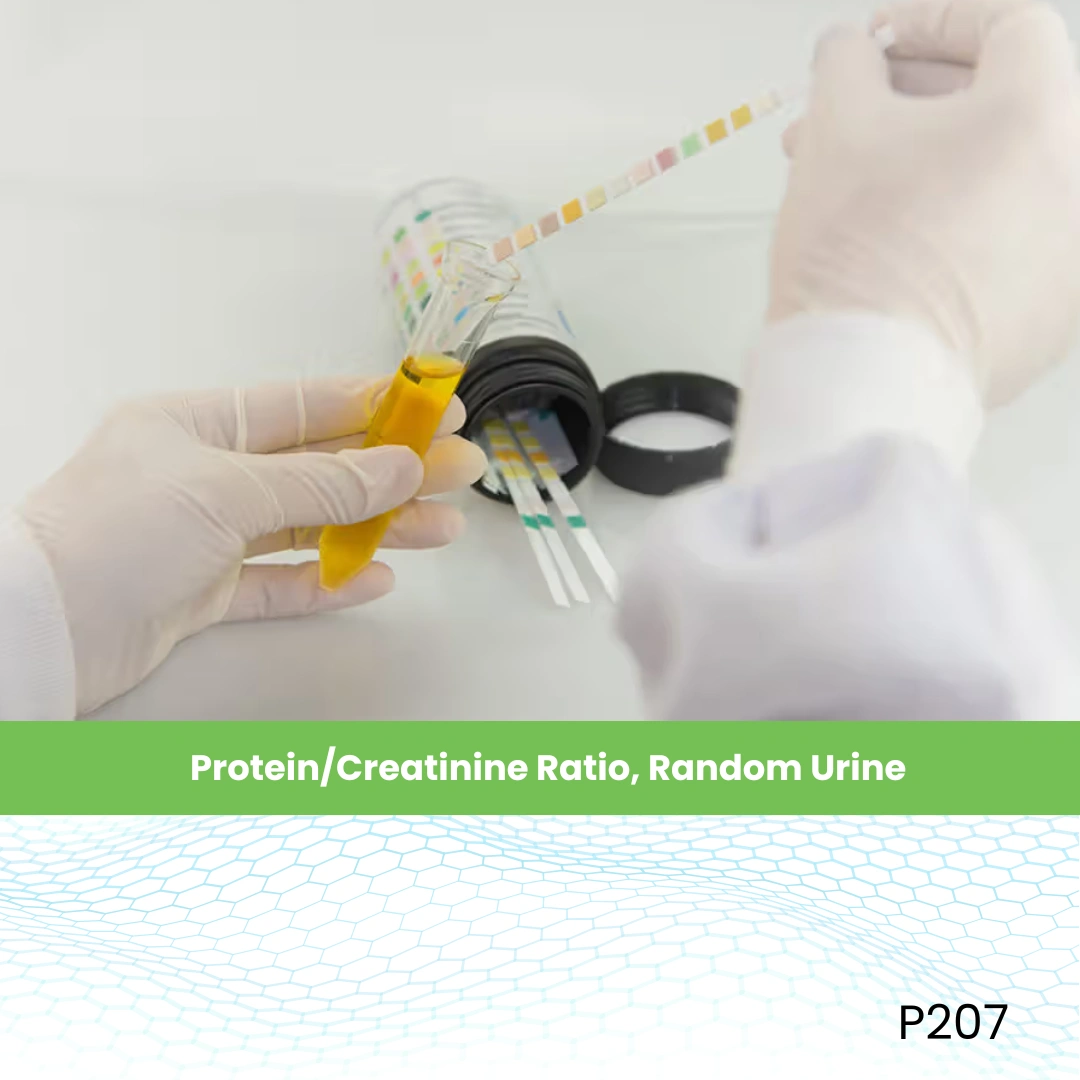
The Protein, 24 Hrs Urine test measures the total amount of protein excreted in urine over a 24-hour period. Normally, only small amounts of protein are lost in urine. Higher-than-normal levels (proteinuria) can indicate kidney disease, diabetes-related complications, or other conditions affecting the kidneys’ ability to filter blood properly. This test provides a more accurate assessment than a single random urine protein test.
Uses
This test is used to:
– Detect and monitor proteinuria (excess protein loss in urine).
– Evaluate kidney function in patients with chronic kidney disease (CKD).
– Assess diabetic patients for early signs of nephropathy.
– Monitor patients with high blood pressure or autoimmune conditions that may damage the kidneys.
– Confirm abnormal findings from routine urinalysis.
Symptoms That May Lead to the Test
Doctors may recommend a 24-hour urine protein test if you have:
– Swelling in the legs, feet, hands, or around the eyes (edema).
– Frothy or foamy urine.
– High blood pressure.
– Signs of kidney disease or chronic conditions like diabetes or lupus.
– Abnormal protein detected in a routine urine test.
Abnormal Results
High Protein Levels (Proteinuria): May indicate chronic kidney disease, diabetic nephropathy, hypertension-related kidney damage, glomerulonephritis, or autoimmune diseases like lupus. Temporary increases can also occur after exercise, fever, or dehydration.
Normal Levels: Suggest healthy kidney function with minimal protein loss.
Persistent abnormal results usually require follow-up with additional tests such as urine albumin-to-creatinine ratio (ACR) or kidney function blood tests (BUN, creatinine, eGFR).
Risks
The test is non-invasive and involves collecting urine over a 24-hour period. There are no direct health risks, though incomplete collection may affect accuracy. Proper instructions must be followed for reliable results.


Reviews
There are no reviews yet.