Protein Electrophoresis, Serum
What it is
The Protein Electrophoresis, Serum test separates and measures the different proteins in the blood using an electrical field. Serum proteins are divided into several groups: albumin, alpha-1 globulin, alpha-2 globulin, beta globulin, and gamma globulin. This test helps identify abnormal patterns of protein distribution, which can indicate a range of health conditions, particularly immune system disorders, liver disease, kidney disease, and blood cancers like multiple myeloma.
Uses
This test is used to:
– Detect and monitor multiple myeloma and other monoclonal gammopathies.
– Evaluate unexplained weight loss, bone pain, or fatigue.
– Investigate abnormal total protein or albumin/globulin ratios.
– Assess chronic inflammation, infections, or autoimmune diseases.
– Monitor liver and kidney function in patients with chronic illness.
– Differentiate between polyclonal and monoclonal protein increases.
Symptoms That May Lead to the Test
Doctors may recommend serum protein electrophoresis if you have:
– Unexplained anemia, bone pain, or fractures.
– Fatigue, frequent infections, or weight loss.
– Enlarged lymph nodes or swelling.
– Abnormal calcium levels or kidney dysfunction.
– Suspicion of plasma cell disorders or autoimmune diseases.
Abnormal Results
Monoclonal Spike (M-spike): Suggests multiple myeloma, Waldenström’s macroglobulinemia, or monoclonal gammopathy of undetermined significance (MGUS).
Low Albumin: May indicate liver disease, kidney disease (protein loss), or malnutrition.
Elevated Globulins: Suggests chronic infection, inflammation, autoimmune disease, or certain cancers.
Abnormal Patterns: Must be interpreted along with immunofixation and clinical findings to confirm diagnosis.
Risks
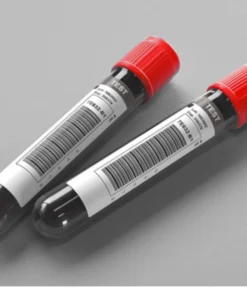
The test requires a routine blood draw. Risks are minimal and limited to mild pain, bruising, or dizziness at the puncture site. The electrophoresis procedure itself is safe and carries no direct risks.


Reviews
There are no reviews yet.