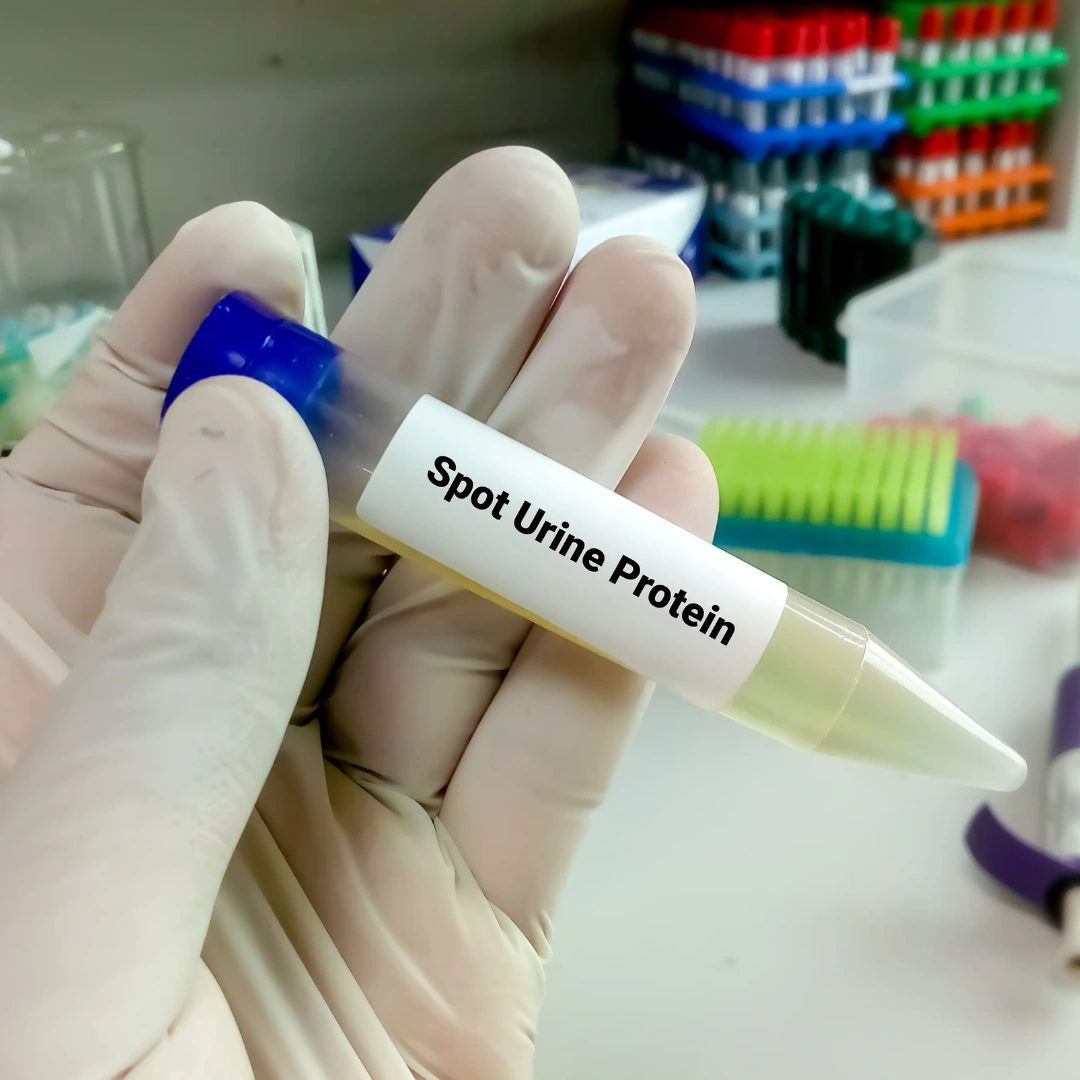
Protein, Random Urine
What it is
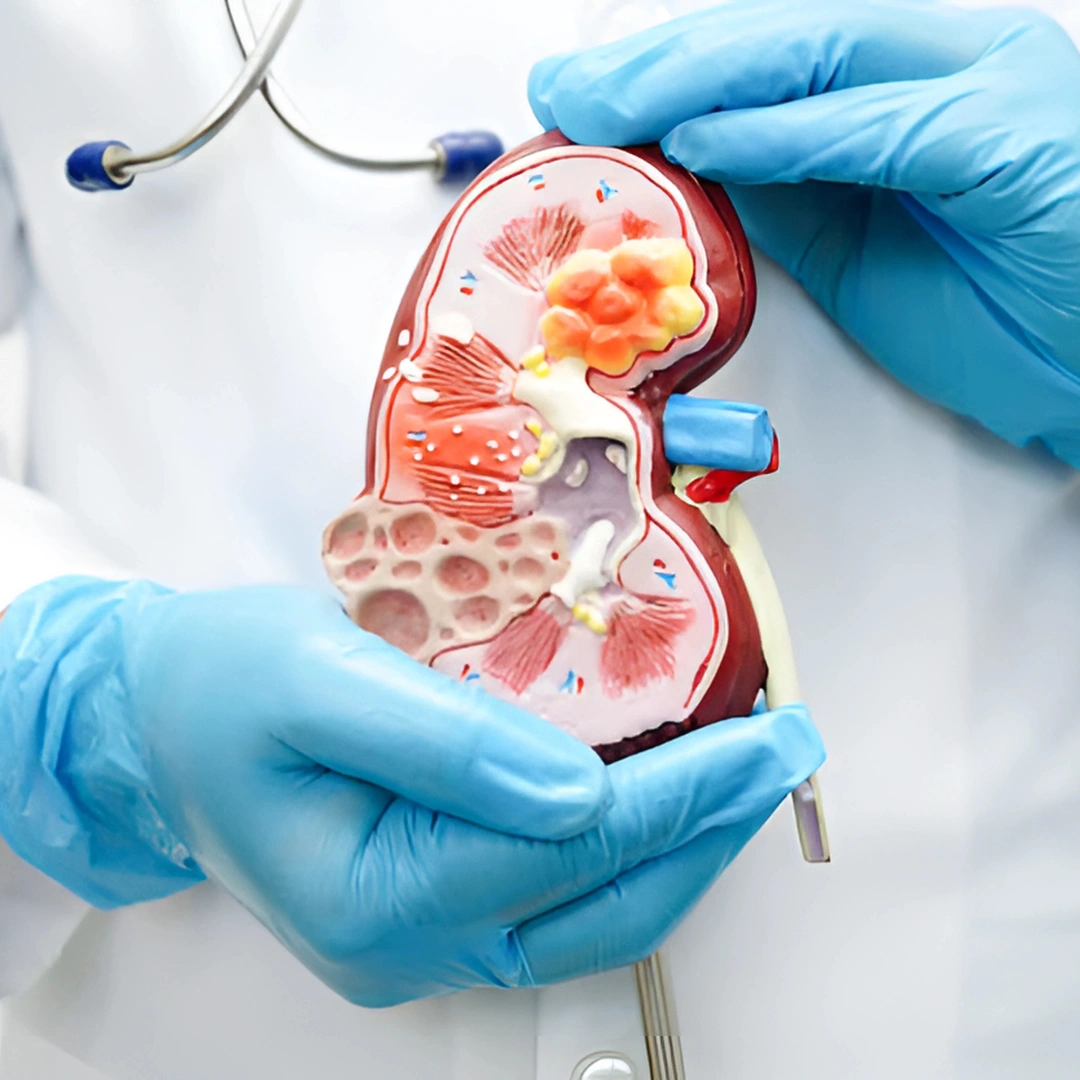
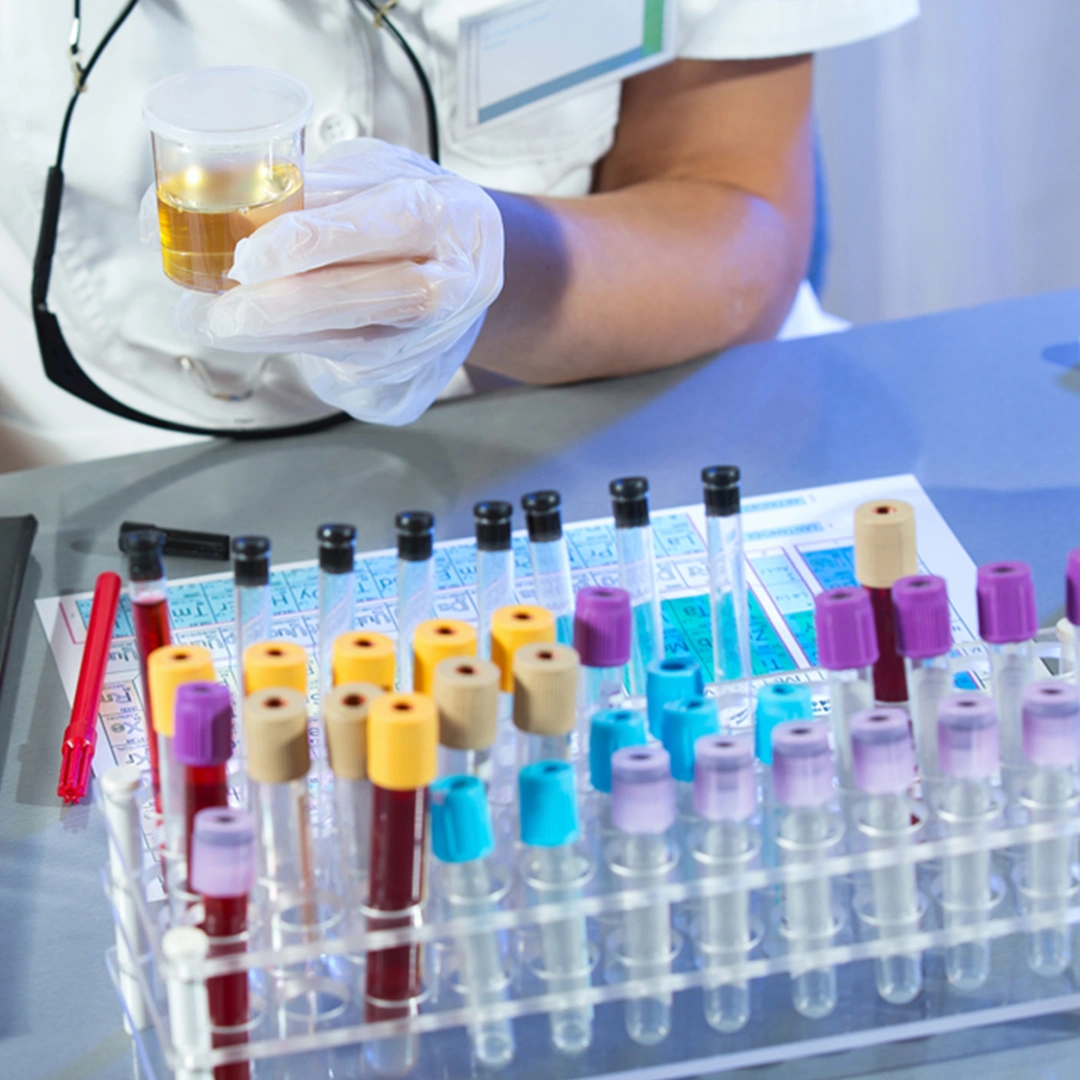
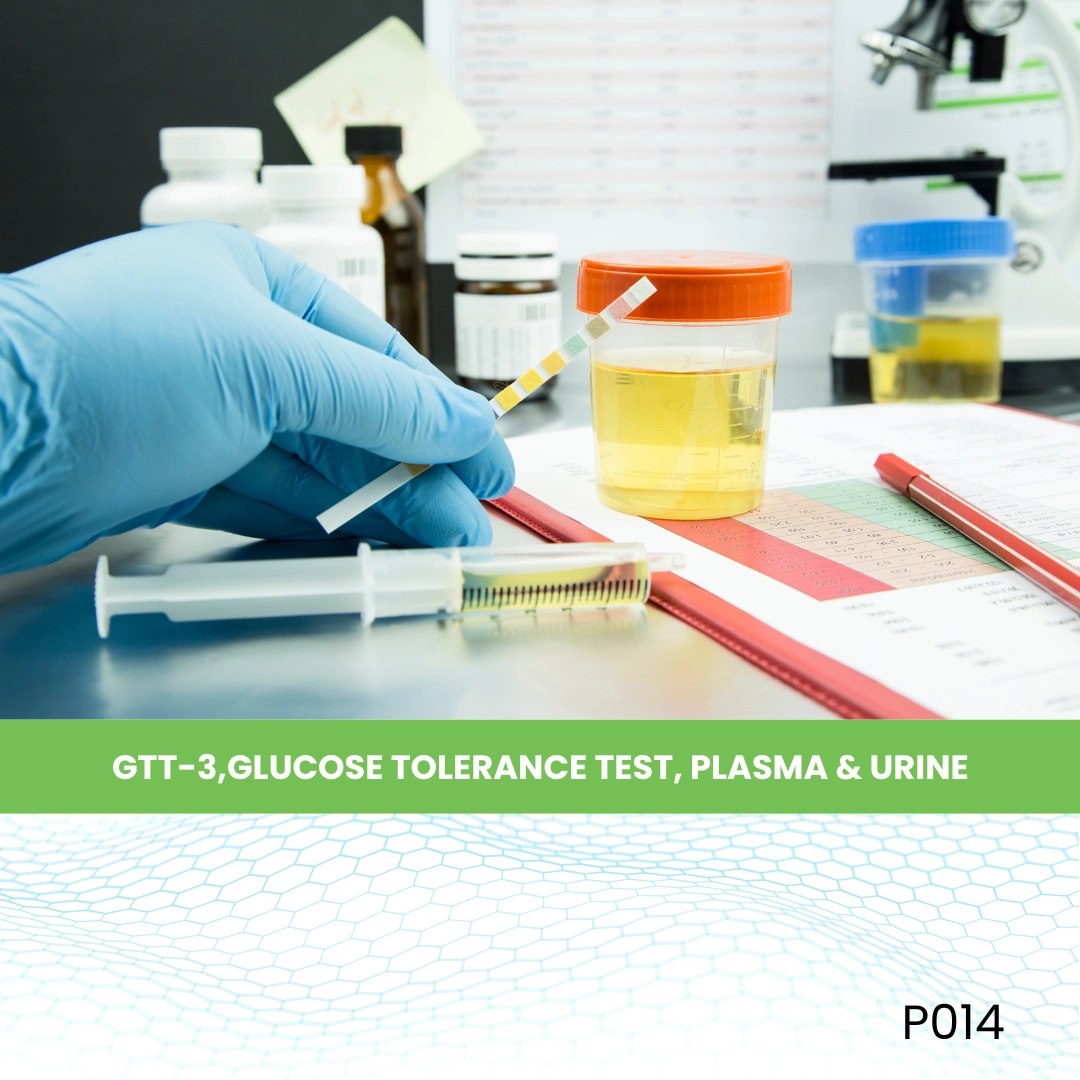
The Protein, Random Urine test measures the amount of protein in a single urine sample. Normally, only very small amounts of protein are present in urine. Elevated protein levels (proteinuria) can indicate kidney disease, diabetes-related complications, hypertension, or other conditions affecting the kidneys’ filtering ability. Unlike the 24-hour urine protein test, this is a quick screening method often used for initial evaluation.
Uses
This test is used to:
– Screen for proteinuria during routine health check-ups.
– Detect early signs of kidney disease in patients with diabetes or hypertension.
– Evaluate abnormal findings from dipstick urinalysis.
– Monitor kidney function in patients with chronic illness.
– Guide further testing, such as 24-hour urine protein or urine albumin-to-creatinine ratio (ACR).
Symptoms That May Lead to the Test
Doctors may recommend a random urine protein test if you have:
– Swelling (edema) in the legs, ankles, hands, or face.
– Foamy or frothy urine.
– High blood pressure.
– Signs of kidney or urinary tract disease.
– Diabetes or autoimmune conditions such as lupus.
Abnormal Results
High Protein Levels: Suggest proteinuria, which may be caused by kidney disease (chronic kidney disease, glomerulonephritis, nephrotic syndrome), diabetes, high blood pressure, infections, or autoimmune disorders. Temporary proteinuria can also occur after exercise, stress, or fever.
Normal Levels: Indicate healthy kidney function with minimal protein loss.
Abnormal findings are usually confirmed with more specific tests such as 24-hour urine protein or urine protein-to-creatinine ratio for accurate assessment.
Risks
The test is non-invasive and requires only a spot urine sample. There are no health risks, but results may vary depending on hydration, diet, or physical activity at the time of sample collection.


Reviews
There are no reviews yet.