Protein S Activity
What it is
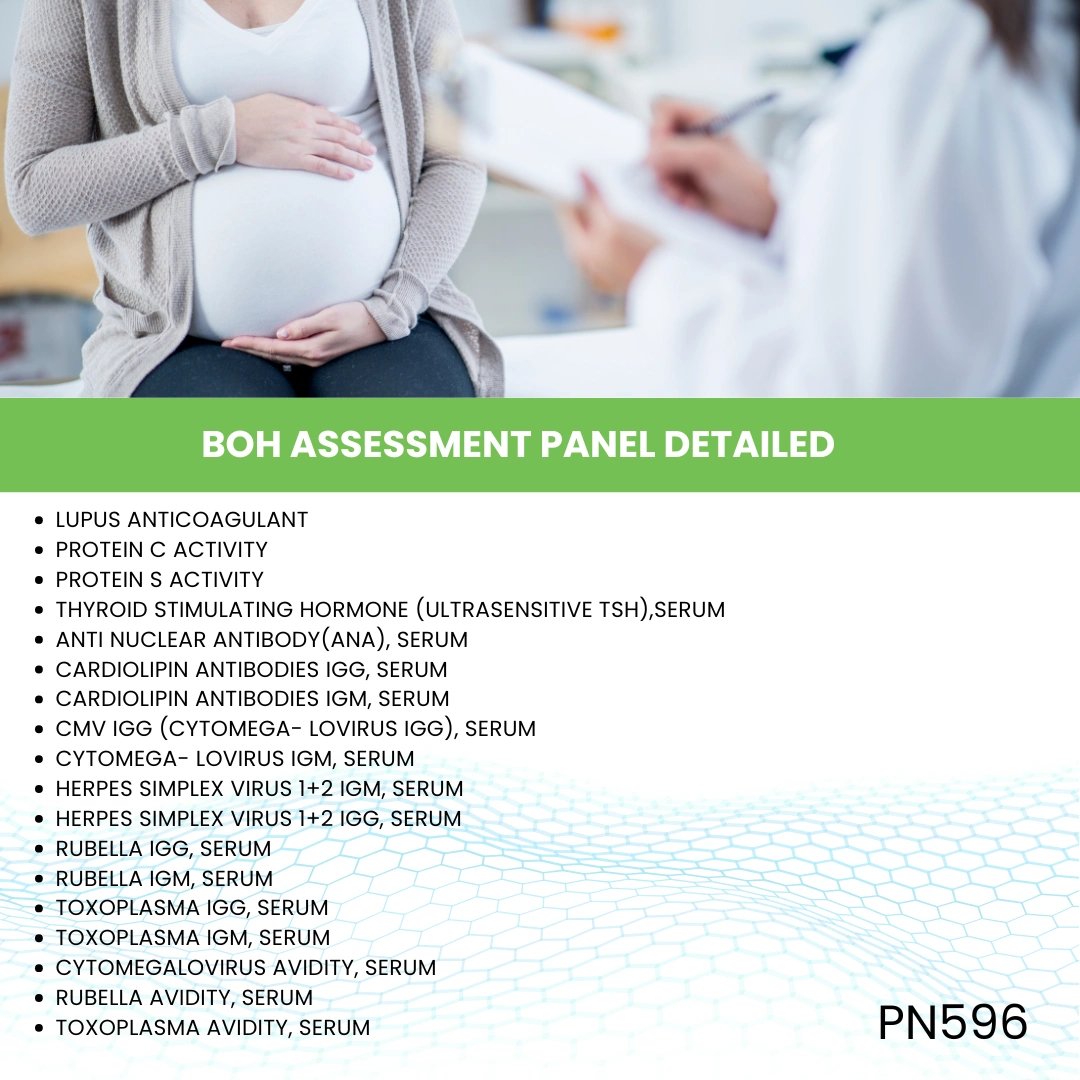
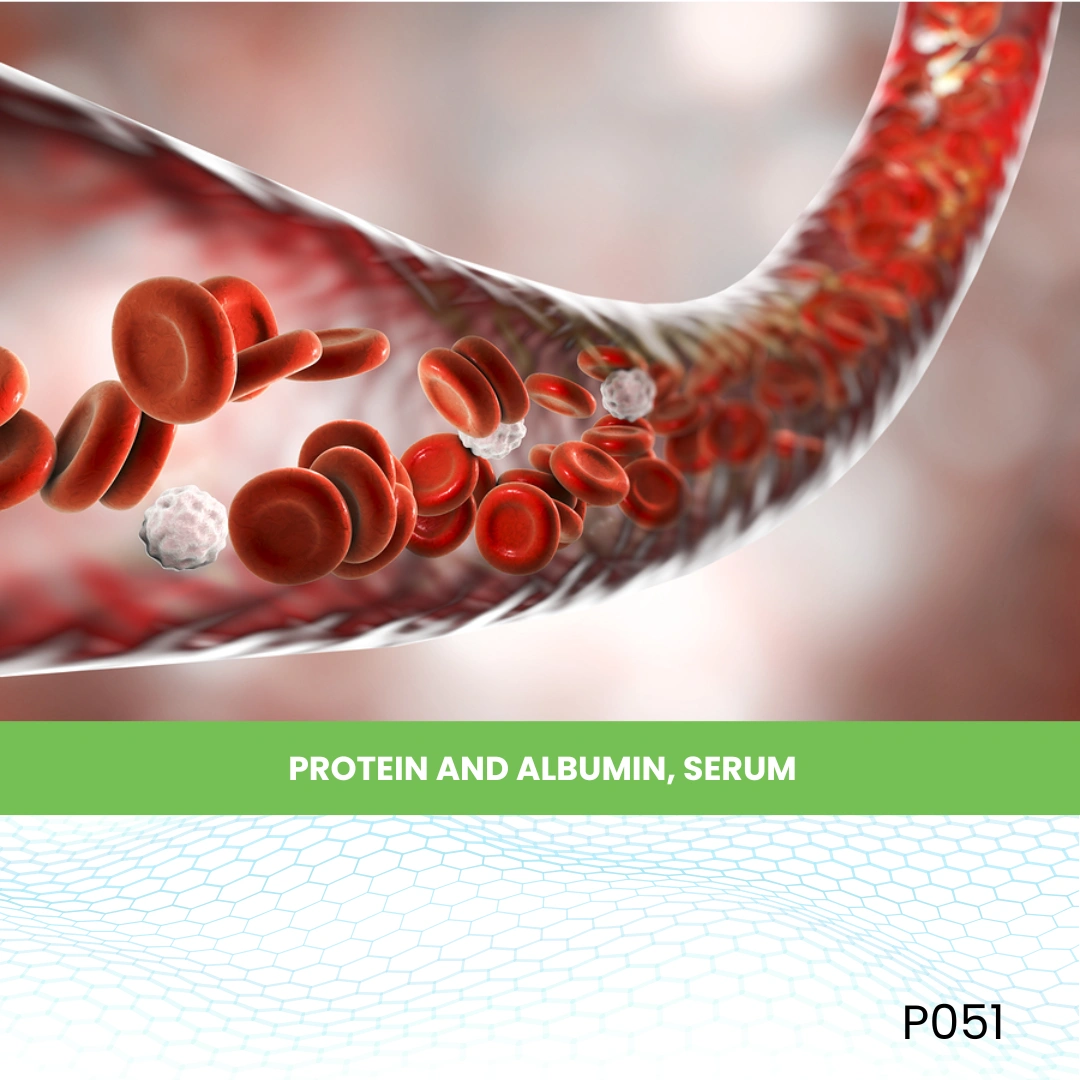
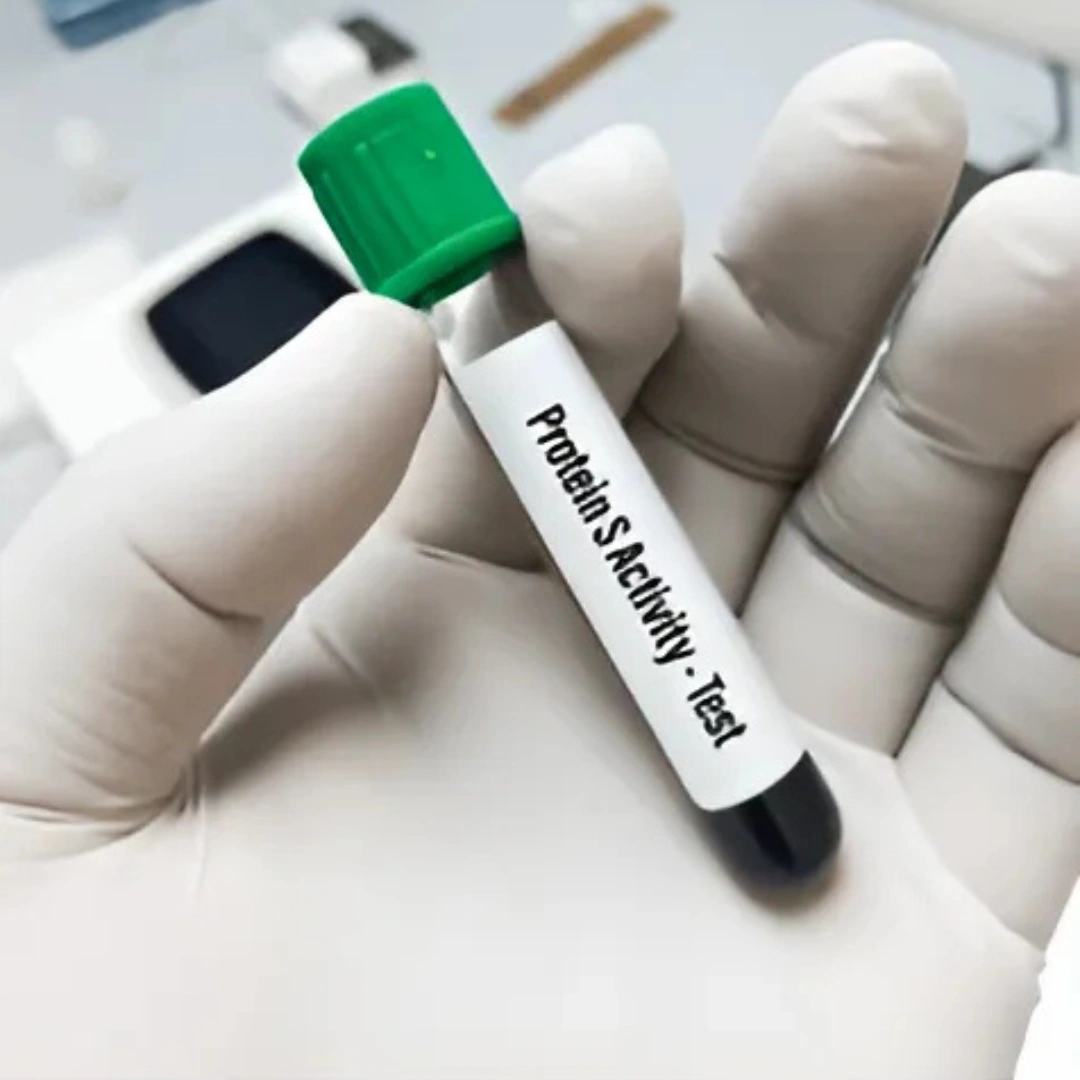
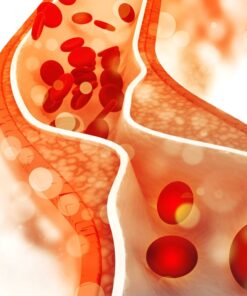
The Protein S Activity test measures the function of Protein S, a natural anticoagulant protein that helps regulate blood clot formation. Protein S works together with Protein C to inactivate clotting factors Va and VIIIa, preventing excessive clotting. A deficiency or reduced activity of Protein S can increase the risk of abnormal blood clots (thrombophilia), while normal levels indicate healthy anticoagulant activity.
Uses
This test is used to:
– Diagnose inherited or acquired Protein S deficiency.
– Evaluate patients with unexplained or recurrent venous blood clots (deep vein thrombosis or pulmonary embolism).
– Assess risk of thrombophilia in patients with a family history of clotting disorders.
– Differentiate between inherited clotting abnormalities and acquired conditions such as liver disease, vitamin K deficiency, or pregnancy.
– Support diagnosis in patients with unusual clotting sites (e.g., brain veins, abdominal veins).
Symptoms That May Lead to the Test
Doctors may recommend this test if you have:
– Repeated or unexplained episodes of deep vein thrombosis (DVT).
– Pulmonary embolism (sudden chest pain, shortness of breath, coughing blood).
– A family history of inherited thrombophilia.
– Pregnancy complications, such as recurrent miscarriages due to clotting issues.
– Blood clots at unusual sites not typically affected by thrombosis.
Abnormal Results
Low Protein S Activity: May indicate inherited Protein S deficiency, liver disease, vitamin K deficiency, certain medications (e.g., warfarin), or acquired conditions such as pregnancy, infection, or disseminated intravascular coagulation (DIC). Low levels are associated with an increased risk of venous blood clots.
Normal Protein S Activity: Suggests adequate anticoagulant function and lowers the likelihood of Protein S deficiency as the cause of clotting issues.
High Protein S Activity: Rare and typically not clinically significant. Results should always be interpreted with clinical findings and other clotting studies.
Risks
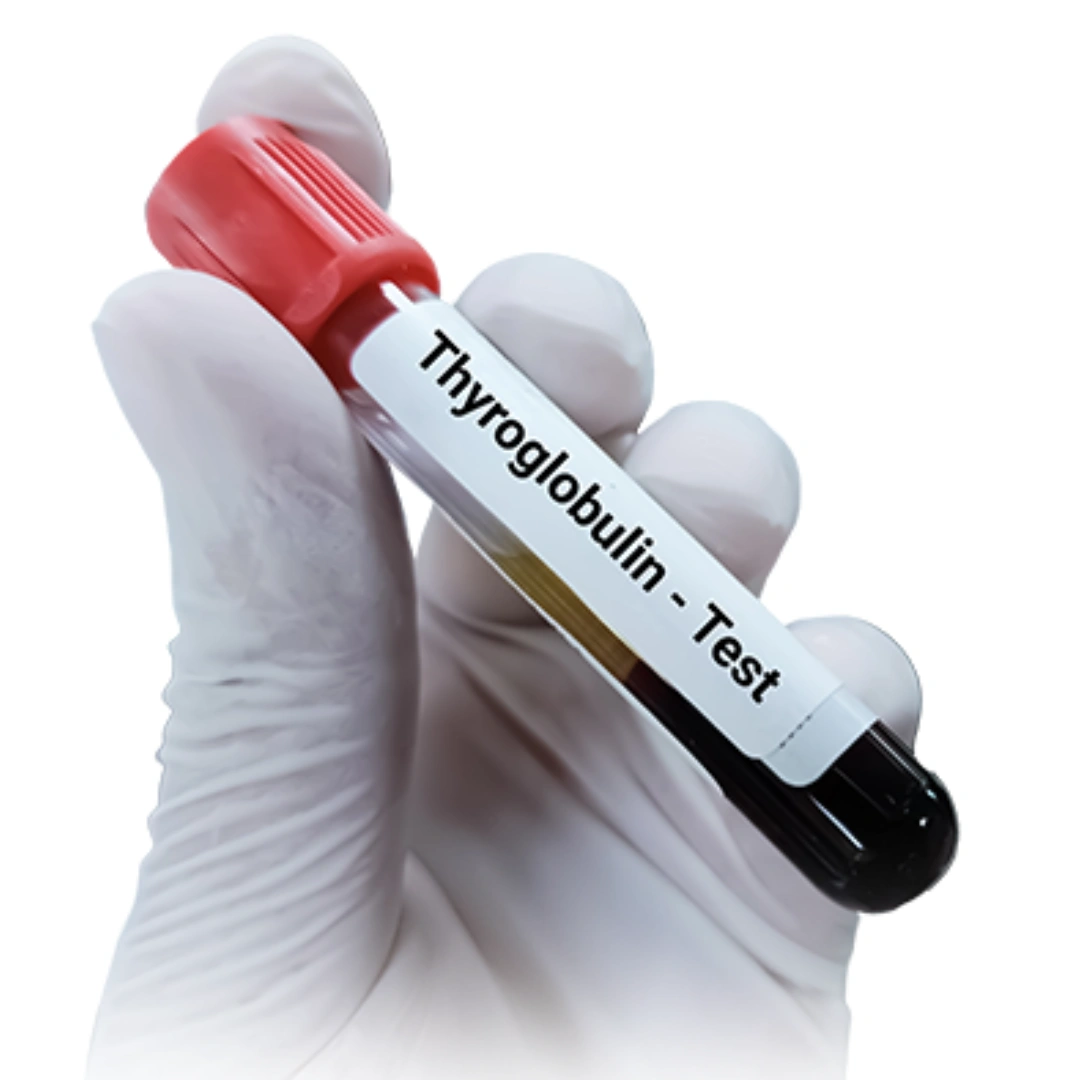
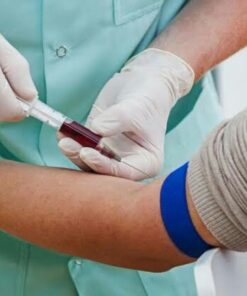
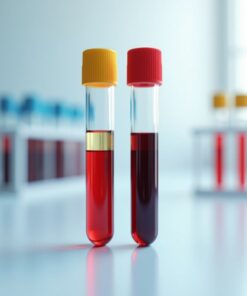
The test requires a routine blood draw. Risks are minimal and include mild pain, bruising, or dizziness at the puncture site. The laboratory analysis itself poses no risk.


Reviews
There are no reviews yet.