Prothrombin Time (PT), Plasma Citrate
What it is
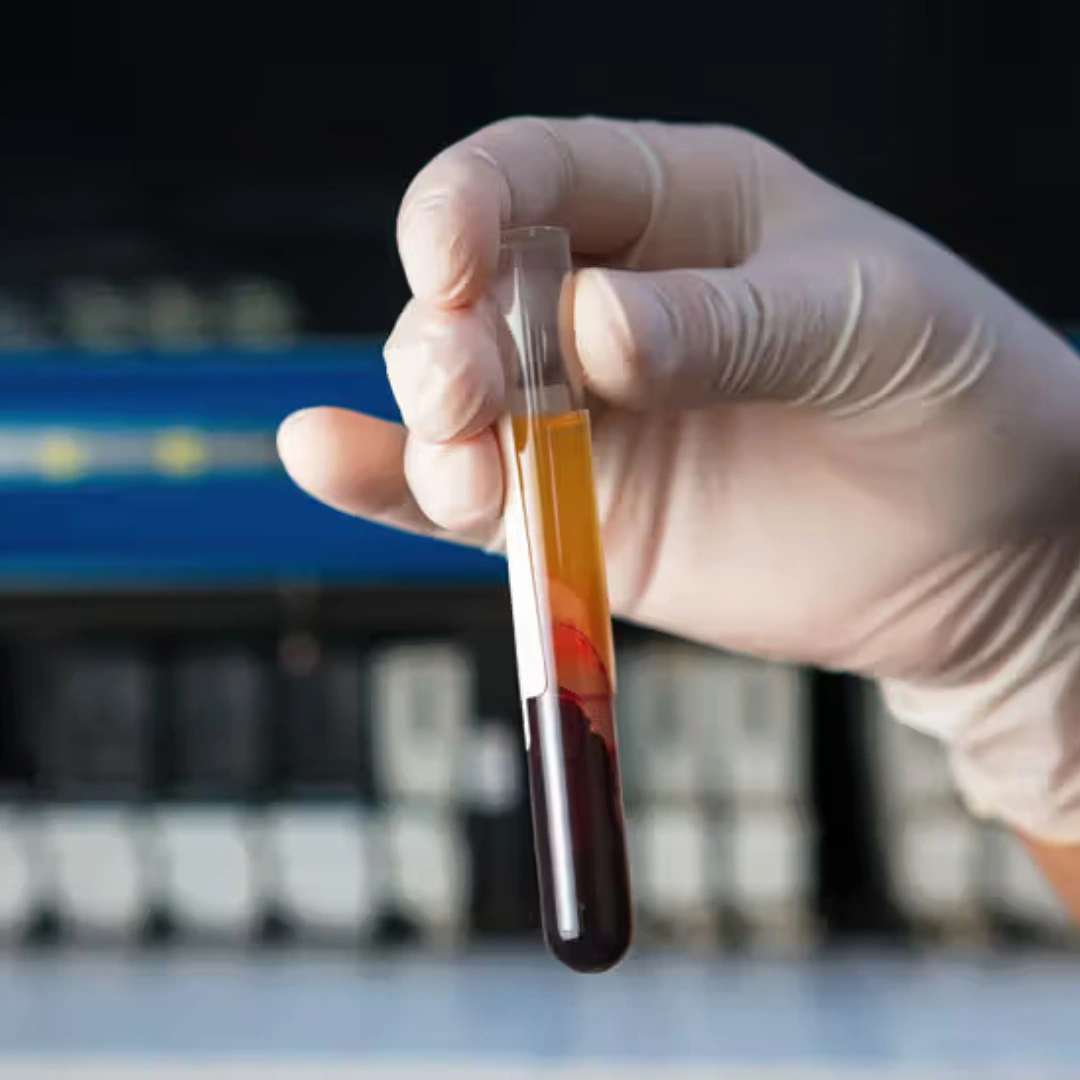
The Prothrombin Time (PT), Plasma Citrate test measures how long it takes for blood to clot. The test evaluates the function of clotting factors I (fibrinogen), II (prothrombin), V, VII, and X, which are mostly produced in the liver. By using plasma preserved in citrate, the test ensures accurate measurement of clotting activity. PT is commonly reported as seconds and as the International Normalized Ratio (INR), which standardizes results across laboratories.
Uses
This test is used to:
– Monitor patients on warfarin (Coumadin) anticoagulant therapy.
– Detect clotting factor deficiencies.
– Evaluate liver function, since most clotting factors are liver-produced.
– Investigate unexplained bleeding or easy bruising.
– Assess pre-surgical clotting status.
– Help diagnose conditions like vitamin K deficiency or disseminated intravascular coagulation (DIC).
Symptoms That May Lead to the Test
Doctors may recommend a PT test if you have:
– Frequent or unexplained nosebleeds or gum bleeding.
– Easy bruising or prolonged bleeding from minor cuts.
– Heavy menstrual bleeding.
– Signs of liver disease such as jaundice or ascites.
– History of blood clots or are on anticoagulant therapy requiring monitoring.
Abnormal Results
Prolonged PT: May indicate vitamin K deficiency, liver disease, warfarin therapy, clotting factor deficiency, or disseminated intravascular coagulation (DIC). It suggests slower clot formation and increased bleeding risk.
Shortened PT: Rare and usually not clinically significant, though it may occur in states of increased clotting tendency.
Results are often interpreted with Activated Partial Thromboplastin Time (aPTT) and clinical findings for accurate diagnosis.
Risks
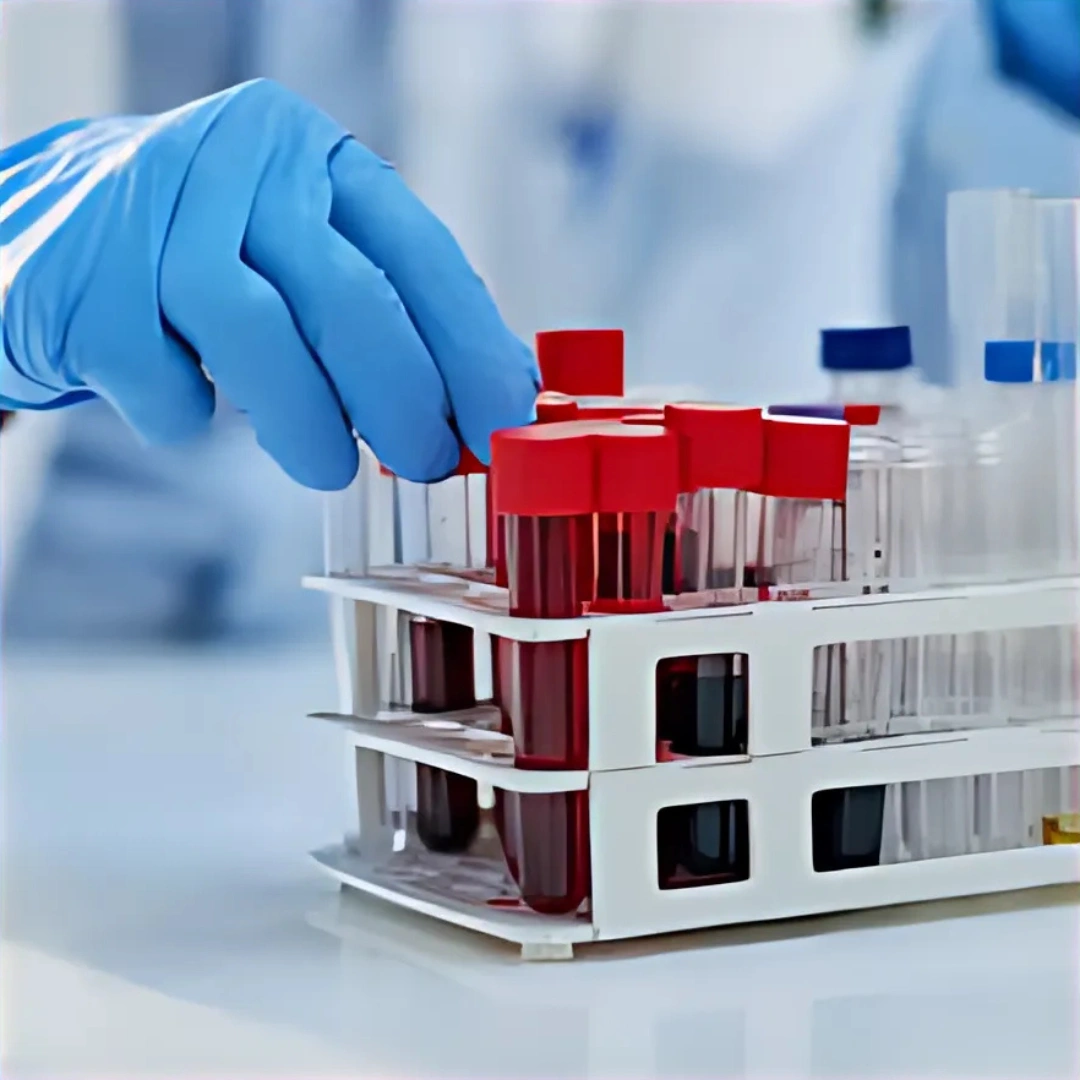
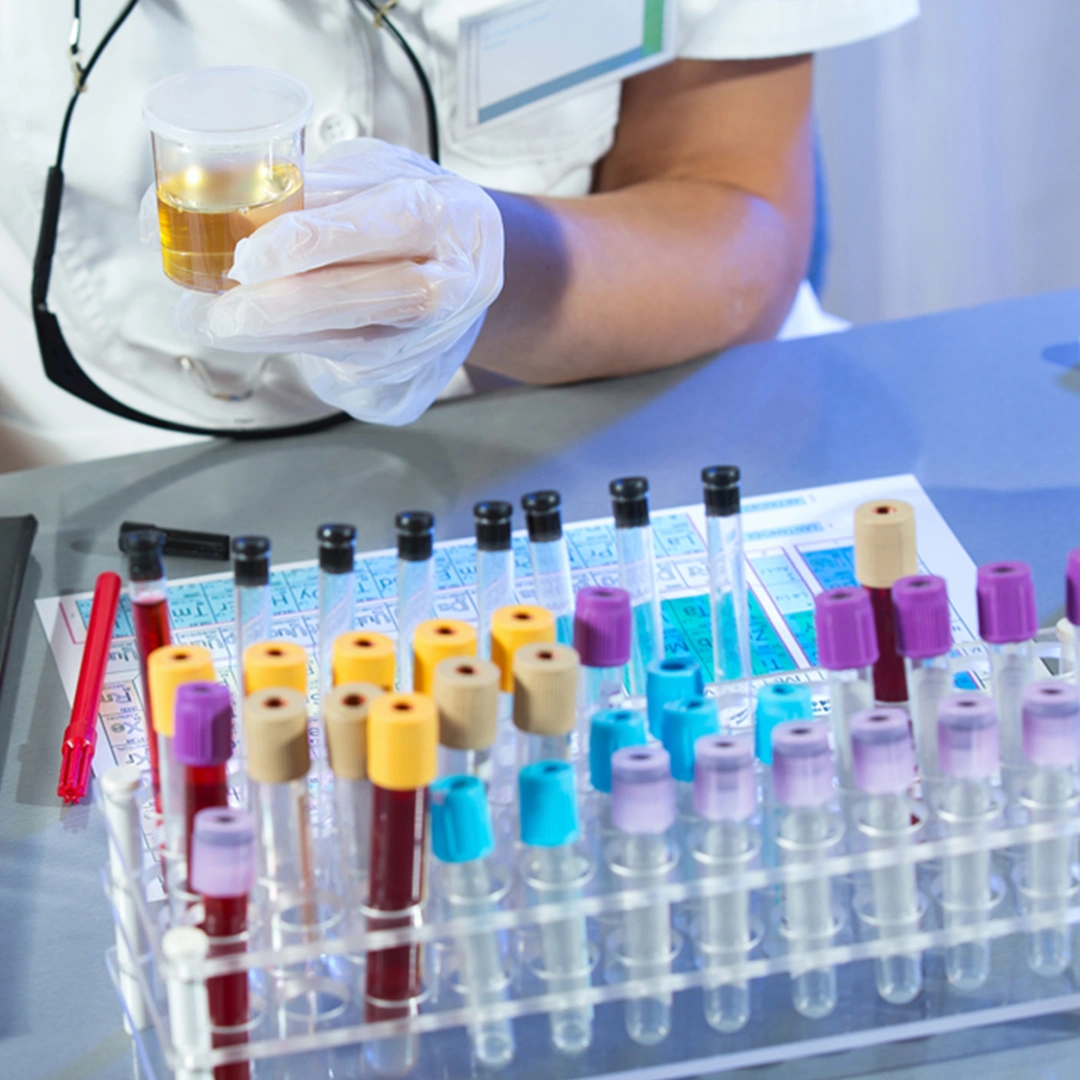
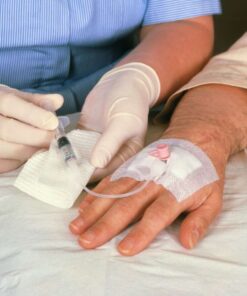
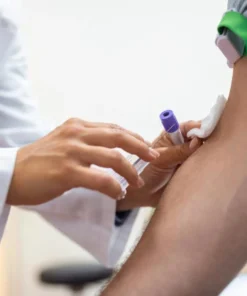
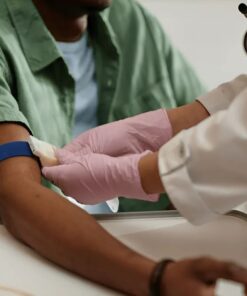
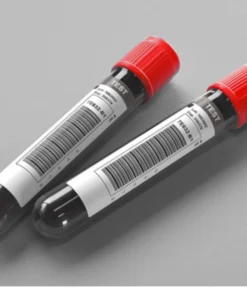
The test requires a routine blood draw using citrate as an anticoagulant in the collection tube. Risks are minimal and include mild pain, bruising, or dizziness at the puncture site. The laboratory analysis itself poses no risk.


Reviews
There are no reviews yet.