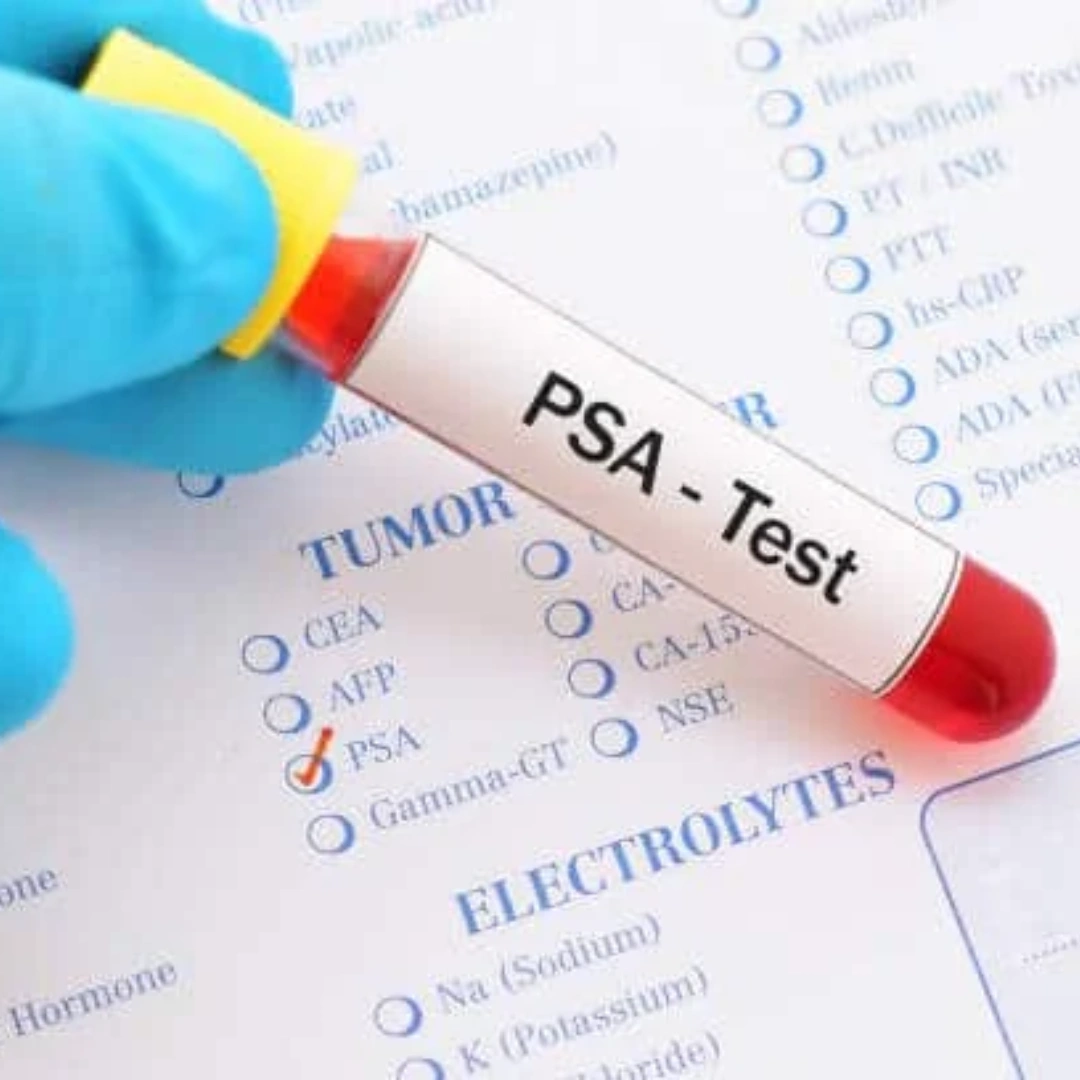
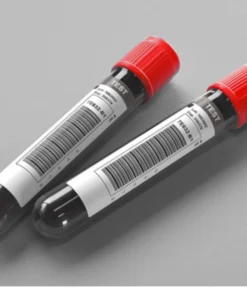
PSA (Prostate Specific Antigen) Total, Serum
What it is
The PSA (Prostate Specific Antigen) Total, Serum test measures the total amount of prostate-specific antigen in the blood. PSA is a protein produced mainly by the prostate gland. While small amounts are normally present in men’s blood, elevated levels can indicate prostate enlargement, inflammation, infection, or prostate cancer. This test is commonly used as a screening and monitoring tool for prostate health.
Uses
This test is used to:
– Screen for prostate cancer in men, especially those at higher risk.
– Monitor patients with known prostate conditions, including benign prostatic hyperplasia (BPH).
– Track treatment response in men receiving prostate cancer therapy.
– Detect recurrence of prostate cancer after treatment.
– Evaluate men with urinary symptoms for possible prostate disease.
Symptoms That May Lead to the Test
Doctors may recommend a PSA test if you have:
– Difficulty urinating or weak urine stream.
– Frequent urination, especially at night.
– Pain or burning sensation during urination or ejaculation.
– Blood in urine or semen.
– Pelvic discomfort or back pain suggestive of advanced prostate disease.
– Family history of prostate cancer or personal risk factors.
Abnormal Results
High PSA Levels: May suggest prostate cancer, but can also be caused by benign conditions such as BPH (enlarged prostate), prostatitis (inflammation), or urinary tract infections. Levels are typically interpreted along with age, prostate size, and other findings.
Normal or Low PSA Levels: Suggest lower likelihood of prostate cancer, though early cases may still occur with normal values. Further evaluation may include free PSA ratio, imaging, or prostate biopsy if risk is high.
Trend over time is often more important than a single reading.
Risks
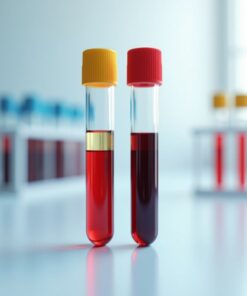
The test requires a standard blood sample. Risks are minimal, including mild pain, bruising, or dizziness at the puncture site. The laboratory analysis itself carries no risk.


Reviews
There are no reviews yet.